
9 in 10 Clinical Nurse Specialists say their workload blocks training
Clinical Nurse Specialists working in blood cancer care play a crucial role in supporting people through some of the most challenging moments of their lives. Today, new research offers one of the clearest picture yet of what this specialist workforce needs to continue delivering safe, high-quality care.
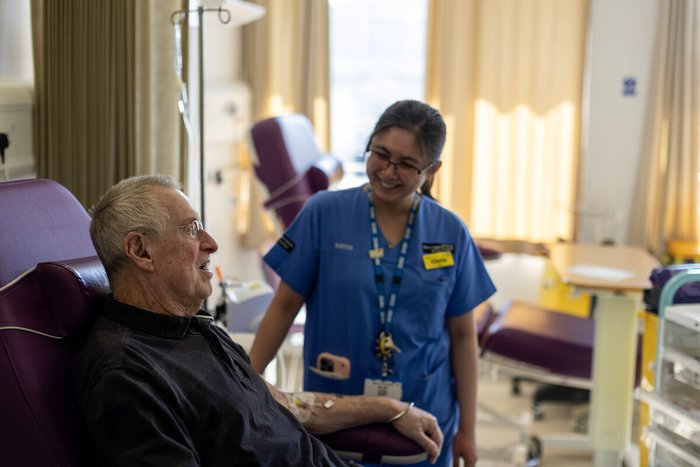
The report brings together a national survey, a review of existing evidence, and insight from Clinical Nurse Specialists and people affected by blood cancer. Despite their strong commitment to continued learning, many nurses described struggling to access the training, development and support their roles require with 91% saying clinical workload is the biggest barrier.
What the research shows
Across the findings, one message comes through clearly: Clinical Nurse Specialists want to grow their expertise, but the system around them doesn’t always give them the time or resources to do it.
Many nurses said they needed easier access to education on blood cancer, treatments, emerging therapies and survivorship. Others highlighted gaps in communication skills training, research opportunities and leadership development. Emotional support also came through strongly, with nurses describing the weight of caring for patients and families through uncertainty, complex decisions and distressing conversations.
The report also shows that access to learning is uneven across the UK. While some Clinical Nurse Specialists can attend courses or conferences, others struggle because of limited study leave, staffing pressures or a lack of funding.
I took part in the workshops as I am passionately committed to ensuring the holistic needs of patients are met. This clearly needs specialist nurses with advanced skills to ensure clinical nurse specialist roles evolve with holistic nursing focus and are
- Jocelyn Habens, Myeloid Clinical Nurse Specialist
What needs to change
The report outlines clear steps to help Clinical Nurse Specialists feel supported, confident and able to grow in their roles. These include:
- Increasing access to specialist education
- Creating structured development pathways
- Protecting time for learning
- Improving emotional and peer support
- Ensuring clearer role recognition
- Strengthening collaboration between charities, NHS organisations and education providers
These changes would help create a more consistent, resilient workforce and help futureproof blood cancer services.
Why this matters
CNSs are often the steady hand that helps people make sense of complex information, navigate difficult decisions and feel supported during the toughest moments of a blood cancer diagnosis. Making sure they have the resources, training and support they need is essential not only for their wellbeing, but for the thousands of people who rely on them every day.
The development of Haematology Clinical Nurse Specialists is important to me because it directly impacts the quality of patient-centred care we provide. Through my career, I have encountered challenges that highlight opportunities for improvement.
By collectively addressing these issues, I believe we can strengthen the CNS role and enhance outcomes and experiences for our patients
- Salma Bilkis, Clinical Nurse Specialist
Read the full report
Learn more about the report, and how Blood Cancer UK is calling for better support for Clinical Nurse Specialists.