
Your guide to blood cancer treatment
Discover the types of treatment, how treatment is planned, and tips to help you cope.
On these pages, you can find out more about the different types of treatment there are for blood cancer. We also explain how your team will plan your treatment, the aims of treatment and how you can get involved in making decisions about the treatment that's right for you.
Types of blood cancer treatment
Get information about the different types of treatment used to treat blood cancer and to help with symptoms and side effects.

Treatment types
Find out about the range of different treatments available for blood cancer, based on the type of blood cancer you have, your overall health, and your wishes.

Drug treatment
Blood cancer is often treated with drugs to control or kill cancer cells. Read about the different types of drug treatment, including chemotherapy and immunotherapy.
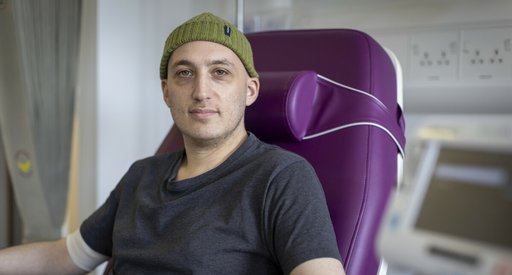
CAR T-cell therapy
CAR T-cell therapy uses your body's own immune system to kill blood cancer. It's not an option for everyone yet, but it's becoming more accessible.
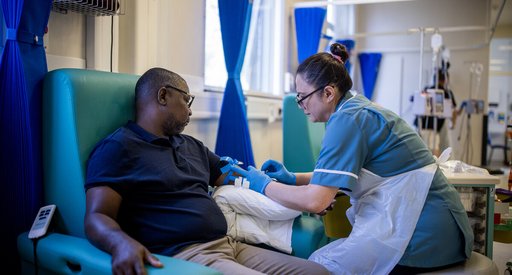
Supportive care
Learn about supportive care for blood cancer: what it is, how it can help and the different treatments you might have, such as steroids, growth factors and pain relief.

Blood transfusions
Blood transfusions can't cure blood cancer but they can help. They are often used to relieve symptoms and the side effects of treatment.
How treatment is planned
Your treatment will be planned and managed by a team of healthcare professionals with expertise in blood cancer. Find out how your team will plan your treatment, how you can get involved in making treatment decisions, and learn about the aims of treatment.

How treatment is planned
Learn about how treatment is planned, who will be involved in your care, and key questions to ask about treatment.

Making decisions about blood cancer treatment
Your doctor should always involve you in decisions about your blood cancer treatment. Get tips to help you talk to your medical team and advocate for yourself.
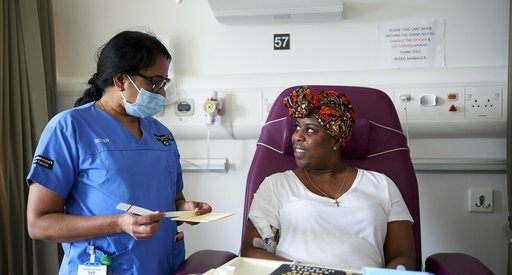
Aims of treatment
Read about the aims of blood cancer treatment and the terms you might hear, including remission, relapse and refractory blood cancer.
Coping with treatment
Having treatment for blood cancer can be challenging, both on your body and mind. Read about how to support yourself or someone else through treatment. We also have information about how complementary treatments may help you relax and cope with side effects, and how you might feel when treatment ends.
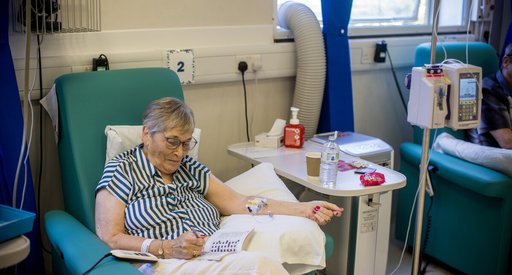
Coping with treatment
Tips to help you cope with blood cancer treatment, including what to pack for hospital and how to look after yourself at home.

Supporting someone through treatment
If a friend or family member needs treatment for blood cancer, find out how you can help.

Complementary and alternative therapies
What is the difference between complementary and alternative therapies, and are they safe to use if you have blood cancer? Get the facts to help you stay safe.

After treatment ends
People with blood cancer are often surprised at how challenging life after blood cancer treatment can be. Find out how to adjust to a new normal.
Last full review October 2026. Next full review due October 2029. We may make factual updates to this information in between reviews.
Thank you to clinical nurse specialists Abbie Sellars and Tina Brooks, specialist registrar Dr Izzy Wood and senior psychotherapist Surabhi Chaturvedi for their help checking the clinical accuracy of these pages.