
Coping with blood cancer treatment
Having treatment for blood cancer can have a big impact on you both physically and mentally. On this page, read tips to help you cope with treatment in hospital or at home.
Tips for coping with treatment in hospital
If you need to stay in hospital for treatment, you might at times feel lonely, vulnerable, frustrated or even bored. Other people with blood cancer have told us they find these things helpful. If you’re a family member or friend, you could help with some of these too.
- Move around your hospital room each day if you can. Even just walking and standing can make you stronger and recover better.
- Keep a notepad and pen by your bed, to write down any questions for your doctor, or to plan your visitors. It can be hard to remember everything while in hospital, and sometimes the doctors visit while you don't have a visitor.
- Keep a diary to track your progress.
- Give your medical team permission to give updates to a close family member or friend. Sometimes you might not remember everything.
- Brighten your room up with photographs of happy memories, cards from family or friends, or drawings from children in your family.
- Be honest about whether you want visitors – sometimes you might not feel like it, and that’s fine.
- Ask people to bring in home-cooked food – but check with your medical team and make sure you follow any dietary advice you’ve been given to reduce your risk of infection.
Practising mindfulness
Mindfulness meditation can be a helpful way to reduce worry and stress while you are in hospital. It may also help you relax and get a good night’s sleep.
Watch our videos showing how to do some simple mindfulness exercises.
Things to bring to hospital
Having your personal things with you can make your time in hospital more comfortable. If your medical team say it’s OK, you could bring your own:
- pillow and colourful blanket to brighten the room
- eye mask and ear plugs – helpful for sleeping at hospital (ear plugs might be available on the ward)
- comfy clothes, nightwear and slippers
- wash bag with toiletries, including hand cream and moisturiser
- photo frames
- snacks and tea, coffee or hot chocolate – food and drink will be provided in hospital, but you may prefer to take in your favourites
- picture-based or easy books and magazines
- electronic device to watch tv and films or listen to music – remember to take headphones
- colouring book, puzzles or crafts you enjoy
- equipment for gentle exercise like a yoga mat or resistance bands.
Space is likely to be limited around your bed, so bear this in mind when deciding what to take.
Remember, flowers and pot plants carry bacteria so often aren’t allowed. Check with the ward staff.

"I took my yoga mat into hospital and did some gentle yoga when I felt up to it. I put photos of happy memories on the walls of my hospital room, and I listened to music, podcasts and meditations that made me feel good."
Tips for taking care at home
You and your family might want tips for taking care at home if:
- you’re having treatment as an outpatient (meaning you go into hospital for treatment sessions but go home in between)
- you’re coming home after a stay in hospital.
Here are some things you can do to look after yourself at home:
- Have contact details for your hospital team, including who you can contact on evenings, weekends and in an emergency, and keep them somewhere easy to find. Share these with people close to you.
- Keep the house generally clean, free from mould and warm – if you’re worried about being able to do this, tell your doctor or clinical nurse specialist (CNS).
- Have food that’s quick and easy to make ready at home. If friends or neighbours want to help, ask them to make something for your freezer. Remind them of any dietary restrictions you might have. Ready-made meals or snacks are fine too – the important thing is that you eat.
- Try to move around each day. Even just walking around the house will be good physical activity that can help improve your strength.
- Going outside for a walk or visiting somewhere you like in the car will be good for your mental health and safe as long as you avoid crowded places or people with infections.
- You can have visitors or see friends if you feel up to it. Avoid big groups and anyone who is sick, but having contact with people you are close to is important.
- Take time to rest. Your body needs a chance to recover from treatment, so don’t push yourself too hard. Be kind to yourself.
- Do things you enjoy too. Plan things that make you happy, and plan some rest in between activities.
- Know how to reduce the risk of catching an infection, as you’re likely to be vulnerable to infection during and after treatment.
Tips for managing your medicines
You might need to take medicine at home as part of your blood cancer treatment. Staying on top of your medicines can feel like a lot, especially if you have lots of medicines to take.
These tips are designed to help you feel more confident and in control, whether you’re taking medicines for a short period or managing long-term treatment.
Keep everything organised
- Keep your medicines in their original packaging.
- Store medicines together in a clean, dry place (unless they need to be kept in the fridge).
- Keep a list of all your medicines, including doses. This is helpful for appointments and emergencies.
Build a routine
- Take medicines at the same time each day to make them easier to remember.
- Link doses to daily habits, like brushing your teeth or eating breakfast.
- Set reminders on your phone, smart speaker, or calendar.
Follow instructions carefully
- Your hospital team or pharmacy should give you instructions for taking your medicines. Ask them if you are unsure about anything.
- Some medicines need to be taken with food, on an empty stomach, or at specific times.
- Ask your hospital team if there are any foods, drinks or other medicines you need to avoid while on your treatment.
- Never change your dose or stop taking a medicine without speaking to your hospital team.
- Ask your hospital team what to do if you miss a dose – the advice can vary depending on the medicine.
Stay in touch with your hospital team
- Let them know if you’re having side effects, struggling to take your medicine, or finding it hard to keep track.
- Don’t be embarrassed to admit if you forget to take your medicines – it’s really helpful for your team to know this, so they can understand if your treatment is working.
- Keep contact numbers handy for your clinical nurse specialist, hospital pharmacy team, or out-of-hours support.
Handle medicines safely
- Wash your hands thoroughly before and after handling your medicines.
- If someone helps you with the tablets, they should wear gloves.
- Keep medicines out of reach of children, pets or anyone who might take them in error.
- If anyone takes your tablets by mistake they should seek immediate medical advice.
Plan ahead
- Find out which of your medicines you will get from the hospital and which ones you can order through your GP.
- Check how much medicine you have left each week and make sure you do not run out.
- Your hospital clinic appointments should line up with when you need more supply – if they do not, contact your team to discuss.
- Order repeat prescriptions early, especially before holidays or weekends.
- If you struggle to collect prescriptions, ask about delivery services.
Track how you’re feeling
- Keep a diary of side effects or anything unusual.
- Bring this to appointments – it helps your team adjust treatment and support you better.
- Note down any questions as they come up so you don’t forget to ask.

Ask the blood cancer community
Join our online forum to chat with people who know how you feel. Or post a question for our blood cancer nurses.
About this information
First published October 2026. Next full review due October 2029. We may make factual updates to the information between reviews.
Thank you to clinical nurse specialist Tina Brooks for checking the clinical accuracy of this information.
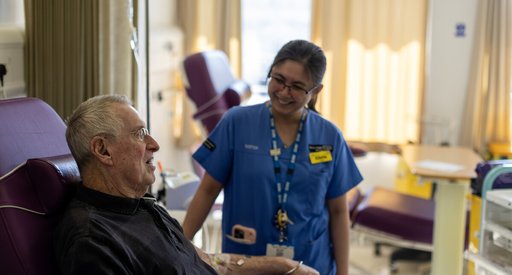
Your guide to blood cancer treatment
Find out about the different treatments for blood cancer, learn how treatment is planned, and get tips to help you cope with treatment.
Blood cancer: mind and emotions
Blood cancer can be hard on your mental health. We've gathered some suggestions from others about things that might help, including support for your family and friends.

Blood cancer and keeping active
Whatever kind of blood cancer you have, it's important to stay active and look after your general health. Read our tips on getting started and staying motivated, and try our exercise videos to see what works for you.
Side effects
Side effects are the unwanted effects of blood cancer or its treatment. Read our information to find out more about the different kinds of side effects you might experience.