
After blood cancer treatment ends
People with blood cancer often wish they felt better prepared for life after treatment ends. It can bring a mix of emotions and adjusting to life after blood cancer can be challenging.
This page is for you if you’ve finished treatment for leukaemia, lymphoma or any other type of blood cancer, and you’re wondering what happens next. We explore how you might feel and what can help your emotional recovery after treatment.
Processing what you’ve been through
Going through diagnosis and treatment for blood cancer can feel like a whirlwind, especially if you need to start treatment quickly. So much happens in a short space of time. It’s unexpected and can change so many aspects of your life.
People talk about how they were mentally and physically in "survival mode" during their treatment. They didn’t feel they had the capacity to process the enormity of what was happening to them at the time.
The mental after-effects of blood cancer treatment are often described as being like an unexpected side effect of treatment but one that they have much less support in coping with.
When treatment ends, it is common for the people around you to expect things to go back to normal, whereas you may only just be starting to process what you’ve been through. Some parts of blood cancer treatment can be traumatic and require a longer healing process once you have the mental space to do so.
Adjusting to life after blood cancer
You may feel happy and relieved to finish treatment. It can be a joyful time and something to celebrate. But it takes time to adjust to life outside of hospital treatment, and both your body and mind can take some time to recover.
After blood cancer, people often expect they will slot into the roles they had before - as a parent, employee, or friend. There is often an urgency to get back to normal. But many people find that instead they create a new normal.
Lasting side effects or a change in their identity or mental health mean that it’s not always easy to go back to the life you had before blood cancer. You may value different things and your priorities may have changed. You may also need to adjust your lifestyle to cope with lasting side effects.
This is a time of learning and adapting, of working out how you are feeling and how you want to live your life after blood cancer.
Take the time to process your emotions and show compassion and kindness towards yourself for what you’ve been through. What you’re feeling is likely a normal reaction to adjusting to a different phase of your life.
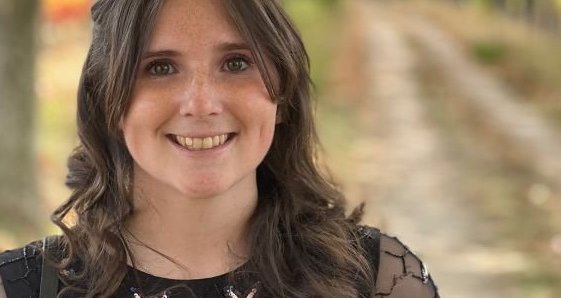
"I was thinking right, treatment done, off I go back to living life, but it didn’t work like that!"
Common feelings after treatment
After finishing blood cancer treatment, you might feel:
Overwhelmed with emotions, lasting side effects and the responsibilities of everyday life. It’s easy to put pressure on yourself to function like you did before blood cancer. This expectation can cause stress. Accepting how you’re feeling and the time it may take to feel more like yourself again will make it an easier experience.
Alone in your experiences. During treatment, hospital staff are there to look after you and patients are there to talk to. Finishing treatment and not having the same level of support from people who understand what you’re going through can be an isolating experience. There are people talking about their feelings and life after blood cancer in our online community forum.
Guilty for experiencing a range of emotions. Some people feel guilty that they aren’t feeling grateful enough for their recovery and experience what is known as ‘survivor guilt’. It’s okay to feel down and to struggle when you are in remission. You’ve been through a lot, and these things take time. Not everyone will understand this, but people with blood cancer do.
Grief for your old life. It’s understandable to miss the way that you looked and felt before blood cancer. Grieving for the person you used to be is part of adjusting to your life after blood cancer.
Anger or sadness for how much your life has changed. Blood cancer can bring change to lots of areas of life. Some people find it helpful to reflect on any positive things that have come from the experience, to recognise their strength for getting through treatment, and to focus on the things they can do, rather than the things they can’t.
Fearful of relapsing. It’s understandable to fear blood cancer coming back. But it’s important you find a way to continue to create a life despite this feeling.
However you are feeling is okay. There is no right or wrong way to feel. If things feel hard right now, you could focus on the ways blood cancer has made you stronger as a person, and remember you are more than the difficult things that have happened to you.
My biggest fear was that I’d be paralysed by the fear of relapse. That it would haunt me forever. But I have taken control of my mind. Now I feel back to my (enhanced) normal self.
- Rebecca, diagnosed with acute myeloid leukaemia (AML) in 2020
What can help me cope after treatment ends?
- Take things one day at a time. Focus on what will help you get through the next 24 hours. You don’t need to rush back into things.
- Looking after yourself is part of this process. Eating well, getting enough sleep, and looking after your mental health sets you up for a better day. You may find the stories and tips in our life with blood cancer section helpful.
- Find people to talk to about how you feel. Not everyone will understand and that’s okay, but people with blood cancer do. You can talk to others about coping with remission in our online forum.
- Do things that you enjoy. Remember the things that make you happiest. These are the things that make you feel more "you" and that bring you a sense of joy and lightness, which can make the tough times easier to deal with.
- Establish a new daily routine. You may be used to life revolving around hospital treatment and medications. Try creating a new routine with time for exercise, hobbies, and relaxation to ease you into life after blood cancer.
- Help others. People with blood cancer tell us that using their experiences to help others gives them a sense of purpose and makes them feel useful. Sunny talks about his experiences of supporting others after blood cancer: Sunny's story.
Fearing blood cancer coming back
It’s common for blood cancer survivors to fear the cancer coming back. You may feel a lack of trust in your body, for example if you didn't have many warning signs of blood cancer, or because your body hasn't worked in the way it should do. You might feel worried about your body's ability to keep you safe. You might fear that any change in your body means the cancer is coming back.
These anxious feelings are natural and will get better over time, although they may never disappear completely. If you are concerned about a new symptom, tell your hospital team. You don’t have to wait until your next check-up to speak to someone.
Check-ups and blood tests can bring back old worries and experiences. These times may make the fear of relapse worse temporarily. It’s important that you attend your check-ups so that any issues, including any lasting side effects can be picked up and dealt with. Blood cancer survivors say it's helpful to know what late effects to look out for, so ask your hospital team about this.
Sometimes, fear of relapse stops people from making any plans. During your treatment, you may have had to learn to take things one day at a time. But the longer you remain in remission and out of treatment, the more you can shift from focusing on the day-to-day, to planning a little for the medium and long-term again. This can be an unsettling adjustment period, but it's positive to be able to think more about the future.
A lot of the advice around coping with the fear of relapse is about working out how to return to a normal life after blood cancer. You will need to find a balance between processing what has happened and acknowledging this and how it's changed you, while also rebuilding what’s important to you and moving forwards.
While nothing can take uncertainty and fear of relapse away completely, it is possible to learn to live well alongside or in spite of these fears, so that they are present but not stopping you from doing what matters to you.
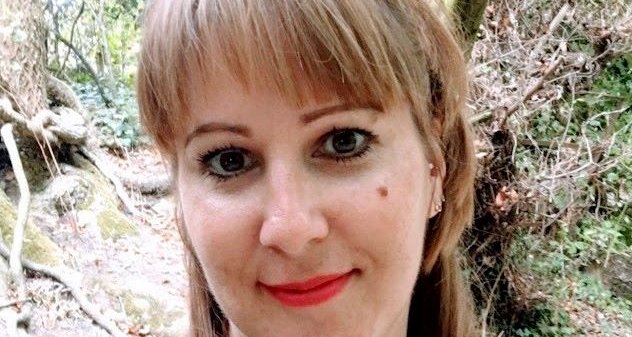
"Possibly the only people who really understand what a journey you are on after treatment ends are other people who’ve had blood cancer."
Getting support after blood cancer treatment ends
Sometimes feelings of sadness and fear don’t go away over time. This can develop into depression or anxiety. Some people may also develop post-traumatic stress disorder (PTSD) after blood cancer.
If you think this may relate to your experiences, tell your doctor how you’re feeling. You are not alone in feeling this way and there are people who will listen and want to help you.
Many people find counselling helpful. To find a free NHS counsellor:
- Ask your hospital team. Some hospitals offer counselling themselves.
- Ask your GP to refer you for counselling. In England, you can also refer yourself for talking therapy through the NHS website.
Sometimes waiting lists for NHS counselling can be long. Other ways to access support include:
- Private counselling: To find a qualified private counsellor, visit the British Association for Counselling and Psychotherapy (BACP) website or the United Kingdom Council for Psychotherapy (UKCP) website.
- Workplace benefits: Many employers offer mental health benefits for their staff, including access to a counselling service. Ask your line manager or HR representative what’s available at your workplace.
- Cancer support centres. Places like Maggie’s offer emotional support for people diagnosed with cancer and their families. Search online to see if there’s a branch near you, or ask your hospital team about local services.
Finishing blood cancer treatment: what happens next?
You will have follow-up appointments and possibly tests for some time after finishing treatment. How long these continue for will vary depending on the type of blood cancer you had and the risk of relapse or long-term side effects. It’s very important to attend these appointments.
You should also know if there’s anything you need to watch out for after treatment. Ask your hospital team about symptoms, long-term side effects and future health implications.
Read more about monitoring and follow-up after treatment ends.

Ask the blood cancer community
Join our online forum to chat with people who know how you feel. Or post a question for our blood cancer nurses.
About this information
Last full review October 2026. Next full review due October 2029. We may make factual updates to this information in between reviews.
Thank you to senior psychotherapist Surabhi Chaturvedi for their help checking the clinical accuracy of this information.
Blood cancer: mind and emotions
Blood cancer can be hard on your mental health. We've gathered some suggestions from others about things that might help, including support for your family and friends.
Blood cancer stories
Hear from others who've adjusted to life after a blood cancer diagnosis. Our stories cover everything from diagnosis, treatment and remission to living with blood cancer, fatigue and help with finances.

Support for you
We’re here for anyone worried about or affected by blood cancer. Call our free blood cancer support line, email us or join our online community.
Get involved
Discover ways to get involved with us from taking on a challenge, volunteering, fundraising, or giving money.