
Making decisions about blood cancer treatment
Your doctor should always involve you in decisions about your blood cancer treatment. On this page we cover things to think about when making treatment decisions, and where to find support.
Can I choose my blood cancer treatment?
Sometimes you might have a choice of different treatment options for blood cancer. And you always have the right to accept or decline any treatment that’s offered to you.
Your hospital team should talk you through your options and explain the benefits, risks and side effects of different treatments. They should also be able to tell you about how well the treatment might work and your recovery.
Your doctor should give you the time you need to discuss your treatment options, and to ask as many questions as you want. If there’s anything you don’t understand, it’s OK to ask them to explain it again, or explain it in a different way. You can also ask your clinical nurse specialist/keyworker who will be able to support you.
What if I disagree with my doctor?
Healthcare professionals should respect and support you in your choice of treatment, even if your views are different from theirs. This includes if you decide not to have treatment.
Remember, you can reconsider your decisions at any time, and the final decision about your treatment will always be yours.
Using your BRAIN
BRAIN is a tool to help you discuss treatment options with your doctor and make decisions.
B – What are the benefits?
R – What are the risks?
A – Are there any alternatives?
I – What is important to me/do I need more information to make my decision?
N – What will happen if we do nothing?
Telling your doctor what’s important to you
It can be helpful to tell your hospital team about your own priorities and goals, and to ask how treatment might affect these. This can help you and your team decide if a particular treatment is right for you.
Some things you might want to consider include:
What you like doing
Think about the things that are an important part of your life. Do you enjoy travel, gardening, swimming, going to the gym or playing a sport? Your doctor may be able to suggest treatment that allows you to continue doing the things that bring you joy.
Sex life
Sex is often an important part of our lives but can get overlooked when talking about treatment. Some types of treatment might affect your ability to have sex, make you less interested in it, or mean you need to use contraception.
It’s OK to ask your doctor how treatment might affect your sex life. Some treatments may have less impact on your sex life than others, so your doctor can talk to you about the options.
Read more about sex, intimacy and relationships when you have blood cancer.
Fertility
If you might want to have children in the future it’s important to let your hospital team know, as some types of blood cancer treatment can affect your fertility. Sometimes you may be able to have fertility preservation, such as freezing eggs or sperm, before starting treatment.
Read more about fertility and blood cancer treatment.
Work or caring responsibilities
You might need to consider what impact treatment will have on your ability to work or care for others. Let your hospital team know if you’re worried about this. They may be able to plan your treatment in a way that allows you to continue working or managing family life.
Important events or dates
Tell your hospital team if you have any important milestones or events coming up, such as a holiday, wedding or birthday celebration. It may be possible to arrange your treatment around these plans.
Hear from other people with blood cancer
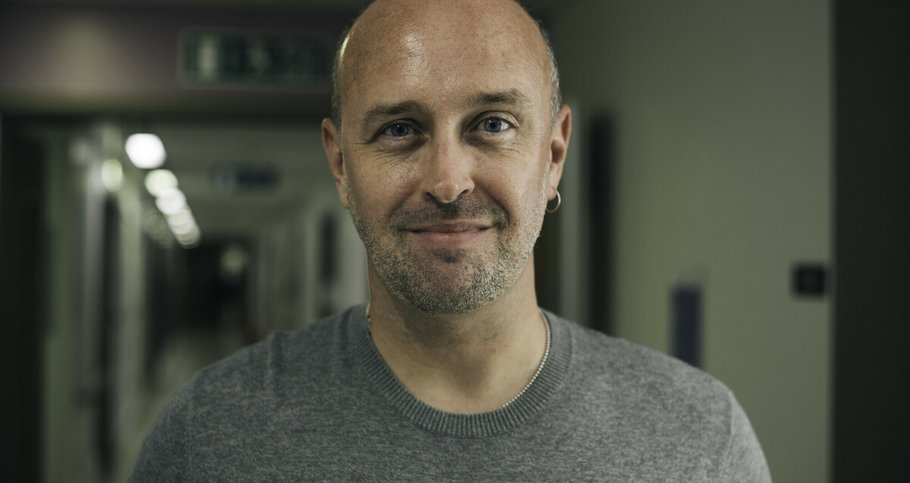
"The more open you can be with your medical team about your life, your circumstances and other health issues, the better they can care for you."

"Advocating for yourself, asking questions, and doing what you can to help your treatment can make you feel more in control."
Getting a second opinion
If you feel like your diagnosis or treatment plan is wrong, you might want to ask for a second opinion. This means asking a different doctor if they agree with your treatment plan or diagnosis.
Your doctor does not make decisions about your diagnosis or treatment on their own. They will discuss your case at a multidisciplinary team (MDT) meeting. This is a meeting of healthcare professionals with different areas of expertise, often including specialist doctors from other hospitals.
This means your case will usually have been reviewed by more than one doctor already. However, you can still ask for a second opinion if you would find it helpful or reassuring.
There are advantages and disadvantages to getting a second opinion.
Possible advantages:
- you might be offered different treatment or access to clinical trials
- you might get to see a doctor with more expertise in the type of blood cancer you have
- you might feel more confident about your diagnosis and treatment after getting a second opinion.
Possible disadvantages:
- your treatment might be delayed while you wait for a second opinion
- if the second doctor agrees with the original diagnosis and treatment plan, this might be difficult to accept
- you might need to travel a long way to see a different doctor or for treatment.
If you’re unsure or unhappy about any aspect of your diagnosis or treatment, it’s worth speaking to your hospital team first. Often, talking to your team can resolve your concerns and you may find there’s no need for a second opinion.
If you decide you would still like a second opinion, you can ask your hospital doctor or GP to refer you for one. You don’t have an automatic right to a second opinion on the NHS. But you have the right to ask for one, and your doctor will usually be happy to arrange it.
Macmillan Cancer Support has more information about second opinions.
Find someone to support you
Sometimes it might feel difficult to speak to medical professionals and ask all the questions you want.
If possible, it can help to take a friend or family member with you to appointments. They can help to ask questions, communicate what’s important to you, and remember what was discussed. It can also be helpful to make notes during your appointments as there may be a lot of information to process.
If you find it hard to understand your treatment and care, or find it difficult to express your views, your council must provide an advocate for you. An advocate is someone who can speak up for you and help you make decisions about your treatment.
The NHS website has information about getting an advocate.
If you’re not happy with your treatment or care
If you’re unhappy with the care you’ve received, there are services that provide support and information for people who have concerns about their healthcare:
- In England: the Patient Advice and Liaison Service (PALS)
- In Scotland: the Patient Advice and Support Service (PASS)
- In Wales: contact your local Llais team.
- In Northern Ireland: the Patient and Client Council.
Tips for talking to your medical team
Paul has been living with chronic blood cancer since 2013. He shares his tips for communicating with your medical team and having a say in your treatment and care.

"Ask for explanations, not just reassurance – if a doctor says 'don’t worry,' it’s okay to ask them to explain why you shouldn’t worry, with facts and reasoning."
About this information
First published October 2026. Next full review due October 2029. We may make factual updates to the information between reviews.
Thank you to clinical nurse specialist Abbie Sellars and specialist registrar Dr Izzy Wood for checking the clinical accuracy of this information.

Your guide to blood cancer treatment
Find out about the different treatments for blood cancer, learn how treatment is planned, and get tips to help you cope with treatment.

Clinical trials
Clinical trials are how new treatments are developed and improved. Find information and support at every stage of your journey.

I've just been told I have blood cancer
If you've just been diagnosed with blood cancer, this is your guide to what happens next, your rights and how to get support.

Support for you
Get free support from our specialist nurses, join our online community and access information you can trust.