
Drug treatment for blood cancer
Blood cancer is often treated with drugs to control or kill cancer cells. You might hear this treatment called systemic anti-cancer therapy (SACT). It includes chemotherapy, immunotherapy and targeted therapy.
On this page, we explain the different types of drug treatment for blood cancer. You might have treatment with one type of drug treatment, or a combination of different types.
Systemic anti-cancer therapy (SACT)
Your hospital team might call your treatment systemic anti-cancer therapy (SACT). Systemic means the drugs travel in your blood to treat cancer throughout your body.
All the drug treatments on this page are types of systemic anti-cancer therapy. You might have a single type of drug treatment, or a combination of different types.
Why you might have systemic anti-cancer therapy
Systemic anti-cancer therapy can be given for different reasons:
- to get rid of blood cancer
- to control blood cancer or slow its progress
- to prepare your body for other treatments, such as a stem cell transplant
- to stop blood cancer coming back (often called maintenance treatment).
How you have systemic anti-cancer therapy
The most common ways to have drug treatment for blood cancer are:
- Into your vein (intravenous): treatment is often given directly into a vein. Usually, the drug is in a bag of fluid with a tube coming from it that goes into a vein in your hand, arm or chest. With some drugs, your nurse may inject the drug into your vein using a syringe.
- By mouth (oral treatment): you might have blood cancer drugs as tablets or capsules to take at home. Your hospital team will give you instructions about how and when to take them.
- Injections under the skin (subcutaneous): some drugs are given as injections under the skin.
Treatment cycles
Often, you have drug treatment for blood cancer in cycles. Each cycle is made up of a period of treatment, which may be followed by a rest period for your body to recover. Your hospital team will let you know how many cycles of treatment you need.
Chemotherapy for blood cancer
Chemotherapy (chemo) is a common treatment for blood cancer. Chemotherapy uses cell-killing drugs to destroy cancer cells. You might hear these drugs called cytotoxic drugs, which means toxic to cells.
Doctors often treat blood cancer with a combination of different chemotherapy drugs. Sometimes the chemotherapy drugs are combined with other medicines, such as immunotherapy or steroids.
Combinations of anti-cancer drugs are called regimens, and often have a name made up of letters from each of the drugs.
For example, R-CHOP (a treatment for non-Hodgkin lymphoma) stands for:
- R = rituximab: a type of immunotherapy
- C = cyclophosphamide: a chemotherapy drug
- H = hydroxydaunorubicin: a chemotherapy drug
- O = Oncovin: the brand name for a chemotherapy drug called vincristine
- P = prednisolone: a steroid that helps chemotherapy work.
Chemotherapy side effects
Whilst chemotherapy kills cancer cells, it can also damage healthy cells in your body. This can cause unwanted side effects.
The side effects of chemotherapy depend on the type and dose of drugs you have and can vary from person to person. Your hospital team will tell you about the possible side effects of your treatment. If you do get side effects your hospital team will help to manage them.
Common side effects of chemotherapy include:
- hair loss
- feeling breathless
- increased risk of infections
- feeling very tired (fatigue)
- confusion (brain fog)
- feeling sick and vomiting
- sore mouth or gut.
Many side effects of chemotherapy are temporary and will go away once you finish treatment. Some can be longer lasting or may develop months or years after treatment, known as late effects.
Read more about common side effects of treatment including late effects.
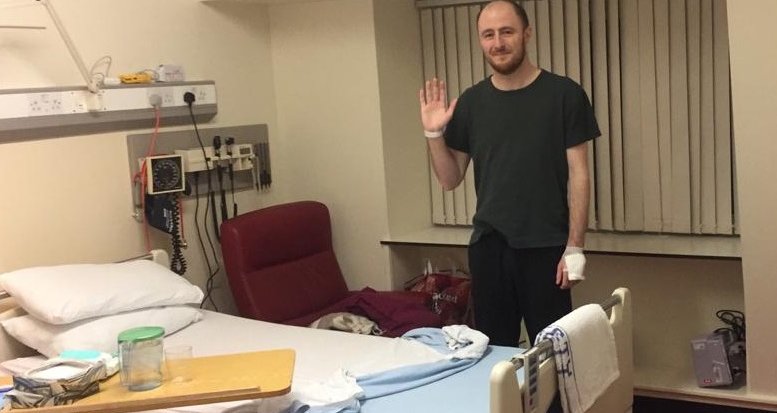
"The other big thing I did, to change my own perspective, was to really fight this narrative in my head that the chemo was some sort of poison, that the treatment was the enemy. It’s the cancer that’s the enemy. Chemo is your medicine."
Immunotherapy
Immunotherapy is a type of treatment that uses your own immune system to attack the cancer. Any cancer treatment that harnesses the immune system to help it work can be classed as an immunotherapy.
Some people with blood cancer have treatment with a combination of chemotherapy and immunotherapy, known as chemo-immunotherapy.
Examples of immunotherapy used to treat blood cancer include:
- CAR T-cell therapy
- monoclonal antibodies
- antibody-drug conjugates
- bispecific antibodies
- cytokines.
Monoclonal antibodies (MABs)
Antibodies are substances made in our bodies that help to fight infection. They do this by attaching to foreign organisms in our bodies (such as viruses) and flagging them to be destroyed by the immune system.
Monoclonal antibodies are artificial antibodies made in a lab. Once they are in your body, they can find and attach to blood cancer cells. They make the cancer cells more visible to your immune system, so it can attack them.
Monoclonal antibodies all have names that end in “mab”. Examples used in blood cancer treatment include:
- daratumumab: used to treat myeloma
- isatuximab: used to treat myeloma
- obinutuzumab: used to treat chronic lymphocytic leukaemia (CLL) and follicular lymphoma
- rituximab: used to treat several types of lymphoma, CLL and some types of acute lymphoblastic leukaemia (ALL).
Antibody drug conjugates
Some treatments combine a monoclonal antibody with chemotherapy. These are called antibody drug-conjugates. The antibody part of the drug finds and attaches to cancer cells. Once attached, the chemotherapy part of the drug is delivered directly into the cancer cell.
Examples of antibody drug-conjugates used to treat blood cancer include:
- belantamab mafodotin: used to treat myeloma.
- brentuximab vedotin: used to treat Hodgkin lymphoma
- gemtuzumab ozogamicin: used to treat acute myeloid leukaemia (AML)
- inotuzumab ozogamicin: used to treat acute lymphoblastic leukaemia (ALL)
- loncastuximab tesirine: used to treat diffuse large B cell lymphoma (DLBCL)
- polatuzumab vedotin: used to treat DLBCL.
Bispecific antibodies
Bispecific antibodies (also known as T-cell engagers), attach to both blood cancer cells and the body’s T cells, bringing them into close contact. T-cells are a type of white blood cell that can recognise and kill abnormal cells.
When the two cells are brought together, the T cell is activated, enabling it to kill the cancer cell.
Examples of bispecific antibodies used to treat blood cancer include:
- blinatumomab: used to treat acute lymphoblastic leukaemia (ALL)
- elranatamab: used to treat myeloma
- epcoritamab: used to treat DLBCL and follicular lymphoma
- talquetamab: used to treat myeloma
- teclistamab: used to treat myeloma.
Trispecific antibodies
Scientists are working on a new type of treatment for blood cancer called trispecific antibodies. These drugs are designed to help your immune system recognise and attack cancer cells more effectively.
Trispecific antibodies work in a similar way to bispecific antibodies, by bringing together T cells and cancer cells. But they have an important difference. Instead of targeting just one feature (or “marker”) on a cancer cell, they target two. This extra point of contact may help the drug bind to cancer cells more securely and trigger a stronger immune response.
One trispecific antibody, called ramantamig, is being tested in clinical trials to see whether it can help treat myeloma.
Cytokines
Cytokines are proteins made naturally in the body that play an important role in the immune system.
Scientists have developed a laboratory-made version of a cytokine called interferon. The drug, called peginterferon alfa 2a (Pegasys), is used to treat some types of blood cancer called myeloproliferative neoplasms (MPNs).
Immunotherapy side effects
Immunotherapy side effects vary for each drug and from person to person. Your hospital team will tell you about possible side effects and symptoms to look out for.
In general, many of the side effects of immunotherapy happen because the drugs activate the immune system. As well as targeting cancer cells, this can also cause inflammation in other parts of the body. This can sometimes cause serious side effects.
Possible side effects of immunotherapy include:
- skin problems such as rashes and itching
- diarrhoea
- tiredness (fatigue)
- flu-like symptoms such as chills, fever and dizziness
- feeling or being sick
- headaches or confusion.
Always contact your hospital team if you have any of these symptoms. They should give you a number to contact them at any time, including out-of-hours.
Targeted therapy
Targeted therapies are drugs that work by targeting the genetic changes that cancer cells have, which normal cells don’t have.
Some drugs are classed as both targeted therapy and immunotherapy, for example, rituximab.
There are many types of targeted therapy. The types used most often to treat blood cancer are:
- cancer growth blockers (inhibitors)
- tyrosine kinase inhibitors (TKIs).
Cancer growth blockers (inhibitors)
Growth factors are proteins in your body that act as signals to cells, telling them what to do or how to grow. Cancer growth blockers are drugs that block these signals to the cancer cells, so they do not grow, survive or divide as they otherwise would.
Examples of cancer growth blockers include:
- acalabrutinib: used to treat chronic lymphocytic leukaemia (CLL)
- ibrutinib: used to treat CLL, mantle cell lymphoma and Waldenstrom’s macroglobulinaemia (WM)
- ruxolitinib: used to treat myelofibrosis and polycythaemia vera
- venetoclax: used to treat CLL and acute myeloid leukaemia (AML)
- zanubrutinib: used to treat CLL, mantle cell lymphoma, marginal zone lymphoma and Waldenstrom’s macroglobulinaemia (WM).
Tyrosine kinase inhibitors (TKIs)
TKIs are a specific type of cancer growth blocker. They work by blocking signals sent from tyrosine kinases. Tyrosine kinases are enzymes that send messages to cancer cells telling them to grow and divide. By blocking these signals, TKIs stop the cancer from growing.
TKIs are often used to treat chronic myeloid leukaemia (CML). They are tablets that you take daily. Examples are:
- bosutinib
- dasatinib
- imatinib
- nilotinib
- ponatinib.
Targeted therapy side effects
Different targeted therapy drugs can cause different side effects. Your hospital team will give you information about possible side effects of your treatment. You can also check the information leaflet that will come with your tablets.
Always tell your hospital team about any side effects you have. They might recommend treatment to manage your symptoms. Or they may be able to adjust your dose or type of treatment to help.
You can also speak to your GP or pharmacist for advice about side effects.
About this information
Last full review October 2026. Next full review due October 2029. We may make factual updates to this information in between reviews.
Thank you to clinical nurse specialist Abbie Sellars and specialist registrar Dr Izzy Wood for checking the clinical accuracy of this information.

Your guide to blood cancer treatment
Find out about the different treatments for blood cancer, learn how treatment is planned, and get tips to help you cope with treatment.

Making decisions about blood cancer treatment
Read our guide to help you make decisions about treatment for leukaemia, lymphoma, myeloma or any type of blood cancer, including how to get a second opinion.

Blood cancer types
Understand all the different types of blood cancer and find information and support.

Side effects
Side effects are the unwanted effects of blood cancer or its treatment. Read our information to find out more about the different kinds of side effects you might experience.