
Acute lymphoblastic leukaemia (ALL)
Acute lymphoblastic leukaemia (ALL) is a type of blood cancer that affects blood cells called lymphoid blasts.
ALL is a fast-growing type of blood cancer, which means that it's important that it's diagnosed and treated quickly.

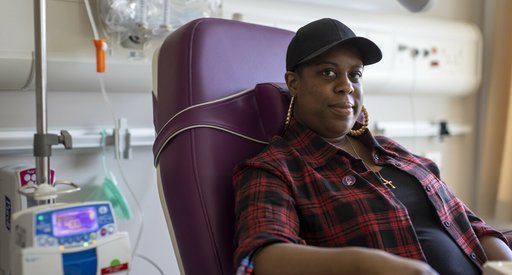
What is acute lymphoblastic leukaemia (ALL)?
Acute lymphoblastic leukaemia (ALL) is a fast-growing type of blood cancer. It affects a type of white blood cell called a lymphoid blast.
How does acute lymphoblastic leukaemia (ALL) start?
Acute lymphoblastic leukaemia (ALL) usually starts because of changes in the lymphoid blasts, which happen just by chance.
Normally, lymphoid blasts are made in the bone marrow. They then mature and develop into lymphocytes. A lymphocyte is a type of white blood cell which is important for helping our bodies fight infection. Our bone marrow usually makes the right number of lymphocytes in order to keep our immune system working normally.
If you have acute lymphoblastic leukaemia (ALL), this process goes wrong. Instead of maturing into lymphocytes, some of the lymphoid blasts start to multiply uncontrollably. These are known as leukaemia cells. As more of these leukaemia cells are made, they start to crowd out the normal, healthy blood cells in your bone marrow. These leukaemia cells can then start to spill into your blood and into other areas of your body.
When healthy blood cells are crowded out, it makes it hard for your body to do the things that it usually does to keep you healthy, like fighting infection.
Symptoms of ALL
Some of the most common symptoms of ALL include:
- Unexplained tiredness (fatigue)
- Bruising and bleeding
- Getting lots of infections
- Weight loss
- Pain in the bones or joints
- Lumps in your neck, armpits or groin where your lymph nodes have swollen.
We have more information about symptoms of B-cell acute lymphoblastic leukaemia and T-cell acute lymphoblastic leukaemia.
Types of acute lymphoblastic leukaemia (ALL)
There are two types of lymphocytes known as B cells and T cells. When you have ALL, it usually affects one type or the other, so doctors will say you have either B-cell acute lymphoblastic leukaemia (B-ALL) or T-cell acute lymphoblastic leukaemia (T-ALL).
Last full review June 2026. Next full review due June 2029. We may make factual updates between reviews.
Thank you to Consultant Haematologists Professor Adele Fielding and Dr Clare Rowntree for checking the clinical accuracy of our ALL information.