
Late effects after blood cancer treatment
Side effects that develop months or sometimes years after treatment has finished, are called late effects. Some late effects can be temporary, others can last longer or even be permanent. Late effects are different to long-term side effects. Long-term side effects begin during treatment or very soon after.
Not everyone will experience late effects, but it’s important to be aware of what can happen to your body after being treated for blood cancer, so you know what to look out for and discuss with your healthcare team.
We also have information around follow-up after treatment ends, which talks through how you may be monitored for the development of late effects.
Below are some of the late effects which can develop after treatment for blood cancer.
Effects on the heart
Some blood cancer treatments can cause issues with the heart. Effects on the heart can include:
- the heart muscles not getting enough blood – this means that the heart is less effective at pumping blood around your body
- cardiomyopathy (a weakening of the heart muscles)
- blockages in the heart and heart vessels
It’s important that any problems with the heart are caught early, so that they can be properly managed and receive any treatment they may need.
Blood cancer treatments which have a higher risk of causing heart problems include:
- anthracycline chemotherapy such as daunorubicin, idarubicin, doxorubicin or mitozantrone.
- radiotherapy to the chest area
- total body irradiation
- high dose cyclophosphamide, a type of chemotherapy drug.
- nilotinib and ponatinib, common TKIs for CML.
Other factors which can increase your risk include:
- being over the age of 60 at the time of treatment
- being male
- if you smoke
- if you have diabetes
- being overweight
- if you have problems with your heart before your treatment started
- if you have a family history of heart problems.
Your hospital team will tell you if your blood cancer treatment might have a future impact on your heart, and what they will do to try to limit these risks in your treatment plan.
If you already have heart problems before your blood cancer treatment, your heart specialist (cardiologist) should be consulted when planning your treatment. Don’t be afraid to ask your hospital team what they’re taking into account when making decisions around your treatment, and raise any questions or concerns you might have.
Monitoring for problems with the heart
If you had treatment that has a higher chance of affecting your heart, for example, if you have had an anthracycline chemotherapy, you will have routine checks on your heart. These checks will likely include a quick and painless ultrasound scan of the heart, called an echocardiogram. The frequency of these checks will depend on the dose of anthracycline chemotherapy and whether you also received radiotherapy to your chest.
The British Heart Foundation has information about different tests which monitor heart function - Tests for heart conditions - BHF.
Symptoms of heart problems
Some of the common symptoms people experience when they have problems with their heart include:
- unexplained chest pain
- unexplained fatigue or dizziness
- unexplained breathlessness
- irregular heartbeat.
Tell your GP or your hospital team straight away if you notice any of these symptoms, or anything which is unusual for you.
Symptoms of a heart attack
There are many symptoms of a heart attack, but some of the most common are:
- sudden chest pain or a tightness in your chest
- pain that feels like it’s spreading from your chest to one or both arms
- feeling light-headed
- finding it hard to breath.
Seek urgent medical attention by calling 999 immediately if you experience any of these symptoms, or any other symptoms you are concerned might be a heart attack.
Looking after your heart
You may be able to lower your risk of heart problems caused by blood cancer treatment, by taking the best possible care of yourself. Ways you can do this include:
- Quitting smoking, if you’re a smoker. Quitting or reducing how much you smoke can have a beneficial impact on your heart health. You can contact your GP for support with this, or you can visit - Quit smoking - Better Health - NHS.
- Eating a healthy, balanced diet. The NHS has information around eating healthily - Eating healthily - NHS.
- Reduce your salt intake. Too much salt in our diets can lead to high blood pressure. The British Heart Foundation (BHF) has information about how we can reduce the amount of salt in our diet - BHF - Healthy living - reducing your salt intake.
- Keep active. Cardiovascular exercise (also known as aerobic exercise) can be beneficial to heart health. This includes activities like walking, cycling, or gardening. Remember to seek advice from your healthcare team before engaging in any new physical activity.
- Maintain a healthy weight. Excess weight, especially round your stomach, can lead to fatty material building up in your arteries (your arteries carry blood from your heart to your organs). BMI is a measure of whether you're a healthy weight for your height. You can use the NHS BMI healthy weight calculator to find out your BMI.
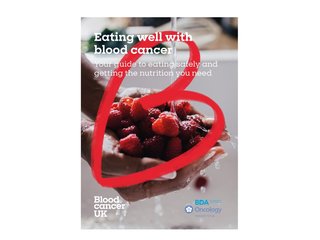
Your guide to eating well
Get your free booklet all about eating well with blood cancer. Includes information on having a balanced diet, food safety and tips to help with eating problems.
Effects on the lungs
Some treatments for blood cancer can have an effect on the lungs, causing inflammation or scarring. Lung conditions caused by blood cancer treatments can include:
- pneumonitis (inflammation of the lung)
- pulmonary fibrosis (scarring of the lung).
Treatments which are more likely to affect the lungs are:
- bleomycin
- busulfan
- radiotherapy to the chest area.
Symptoms of lung problems
Some people don’t experience any symptoms at all when their lungs are affected, but others may notice:
- unexplained breathlessness
- persistent chest infections
- a persistent cough
- unexplained fatigue
- unexplained chest pain.
Tell your hospital team or GP if you have any of these symptoms. You may have a lung function test to check how well your lungs are working and to check for any damage.
Looking after your lungs
There are some general things you can do to look after your lungs, but speak to your hospital team for more individual advice:
- If you have been treated with bleomycin, regardless of how long ago this was, make sure your GP or any other healthcare professionals are aware.
- If ever you have an anaesthetic, make them aware of previous treatment, particularly if you had bleomycin (some people choose to wear a medical alert tag).
- Stay hydrated.
- Stay warm - cold air can cause your airways to become narrower. You may be eligible for help with energy costs if you’re struggling to heat your home. Check out our Help with costs webpage.
- Make sure you’re up to date with vaccinations you’re eligible for. We have information around vaccines on our Staying safe webpage.
- Quit smoking or vaping.
- Keep active (with guidance from your healthcare team).
- Avoid being around damp and mould - damp and mould can trigger or worsen symptoms for people with lung conditions.
- Avoid/limit exposure to indoor air pollution - Indoor air pollution | NHS inform.
Changes to your mind and memory
Some people may develop changes to the way their brain works after treatment for blood cancer. Changes to your brain can occur during treatment or shortly afterwards, but many people find it improves over time.
However, some people go on to experience longer term difficulties such as:
- changes in your sleeping habit
- changes to your balance or coordination
- difficulty remembering things
- differences in your mood
- difficulty concentrating
- finding it hard to learn and understand new information or multitask.
Some of the treatments which are more likely to cause changes to the brain are:
- radiotherapy to the brain or total body irradiation
- intrathecal methotrexate (methotrexate that's given by an injection into the fluid around the spinal cord).
More research needs to be done around why these changes to the brain can happen, and the different treatments and interventions that might be able to reduce the effects of cancer treatment on the brain.

Coping with changes to your mind and memory
Changes to the brain can improve over time but for some people they can be permanent.
Some things people find helpful are:
- mind-body exercise like yoga or Thai-chi
- keeping active
- brain-training (e.g. crosswords, Sudoku and memory games).
If you’re really struggling, your GP can refer you to a memory clinic so that a neurologist (a specialist in the brain) can assess you further.
Struggling with changes to your brain can be difficult, and you may be concerned about how it affects things like relationships, or your ability to focus at work, college or school. Remember, you have rights as someone affected by cancer. There may be reasonable adjustments in your working pattern or your workload that can be put in place to support you if you are struggling.
You may benefit from a referral to an occupational therapist, sometimes called an OT. Occupational therapists work with people to understand any mental or physical health needs they have which may prevent them from doing daily activities, working or studying and recommend adaptations which support people with these. Your hospital team or GP should be able to refer you to this service, or you may have access to an occupational therapist through your workplace or education provider, so it’s worth asking.
Effects on the bones
Some treatments for blood cancer can cause issues with your bones. These can happen during treatment but may also happen a few years after treatment has ended.
Effects on the bones can include:
Osteoporosis
Osteoporosis is a weakening of the bones due to them not being dense enough (packed with enough minerals to keep them strong and healthy), making them more brittle. It causes the bones to fracture or break much more easily. Many people may not know they have osteoporosis until they fracture or break a bone.
Osteonecrosis
Osteonecrosis (Avascular necrosis) can happen if an area of bone isn’t getting enough blood. It is much rarer than osteoporosis. Some people with osteonecrosis may experience pain in their bones, most often their hips and knees, and may need one or several joint replacements.
Treatments which are more likely to cause effects on the bones include:
- intense treatment with corticosteroids (steroids which mimic the hormones made by your adrenal glands). These can slow down the production of cells which help to build and strengthen the bones.
- high-dose methotrexate
- total body irradiation (for example as part of a stem cell transplant)
- If you’ve experienced hormone deficiencies (such as oestrogen or testosterone).
Coping with bone problems
Tell your hospital team or GP if you have any bone pain or if you are concerned about how your treatments may affect or have affected your bones.
If your hospital team is concerned about the effect your treatment has had on your bones, they may want to perform a DEXA scan, which is a simple and painless X-ray showing the density of your bones.
You may be given bisphosphonates if problems with your bones are found. Bisphosphonates are a type of drug that can slow down the rate that the bones break down, which therefore brings down the risk of fractures and breakages.
Looking after your bones
There are some things we can do to help support our bone health.
- Get enough calcium. Make sure you are getting enough calcium through your diet as it helps to strengthen the bones. Milk, cheese, yoghurt, tofu, green leafy vegetables and bread all contain calcium. The Royal Osteoporosis Society have a webpage which helps people to choose foods with more calcium - Calcium-rich food chooser.
- Get enough Vitamin D. During winter months, we do not receive the recommended dose of vitamin D from the sun. The UK Government advice is that everyone should consider taking a daily vitamin D supplement of 10 micrograms (400 IU) during this time. Your hospital team may advise you to take a higher dose if you have vitamin D deficiencies. If you have black or brown skin, you may also not make enough vitamin D from sunlight and so you may be advised to take a Vitamin D supplement all year. The NHS has more information on Vitamin D.
- If you’re a smoker, consider quitting. Smoking can slow down the production of the cells in your body which help build and strengthen your bones.
- Drink alcohol in moderation. Alcohol can affect the way your body absorbs calcium, and can therefore cause your bones to become weaker.
- Maintain a healthy weight. Excess weight, especially round your waist, can lead to fatty material building up in your arteries (these are the blood vessels that carry blood to your organs). BMI is a measure of whether you're a healthy weight for your height. You can use the NHS BMI healthy weight calculator to find out your BMI.
- Keep active. Weight bearing exercises like walking are good for bone health. If you are worried about the health of your bones, or if you know your treatment has affected your bones, it’s best to talk through any physical activities you’re planning to do, with your hospital team or GP, so that they can help you stay safe.

Keeping active
Being more active can improve your mood as well as your physical well-being. Find out how to get started.
Fertility problems
Some blood cancer treatments can affect fertility. Your hospital team or GP can arrange for you to have fertility testing or refer you to a late effects clinic. We have information about the treatments most likely to affect fertility, methods used to preserve fertility, questions to ask your hospital team and where you can go for support.
Fatigue
Fatigue is a common side effect for people with blood cancer, and it can be related to both the cancer itself and its treatment, but it can also be linked to our mental health. Many people find that their fatigue improves after treatment, but for some people it can last years, and can have a big impact on their quality of life.
If you experience fatigue, tell your healthcare team as they may be able to help. They may want to run some tests including checking your iron levels and thyroid functions.
Effects on the eyes
If you’ve had total body irradiation (TBI) or cranial radiotherapy, for example, as part of conditioning therapy for a stem cell transplant, you will need an eye examination every year. This is because having TBI can increase the risk of cataracts after a stem cell transplant. Cataracts cause the lens in your eye to become cloudy, causing blurriness in your vision and can cause blindness over time. Cataracts can be easily treated with a common surgery which takes under an hour.
Whether you have annual eye checks with your hospital team, or you see a high street optician, make sure you get your annual eye test. Eye tests are quick and simple and easy to book at high street opticians. If you are under the age of 18 or over 60, or you meet any of the other criteria listed by the NHS, you are entitled to free eye tests - NHS - eye tests.
In Scotland, eye tests are free for everyone.
If your optician diagnoses cataracts, they will refer you to an eye specialist to discuss your options.
The risk of secondary cancer
Treatment with chemotherapy or radiotherapy can slightly increase your risk of getting another type of cancer later in life. Your hospital team should tell you if you have a risk of developing a secondary cancer, and this information should be given to your GP in your End of Treatment Summary.
Even though some treatments for blood cancer can come with a small risk of second cancers, it’s important to remember that your hospital team will weigh up the risk of this against the benefit the treatment will have on you, when planning your treatment.
Helping to reduce the risk
Whilst the development of a secondary cancer is rare, it’s really important to see your hospital team or GP if you develop any symptoms which are new or unusual for you, or you have any concerns at all about your health.
There are some things you can do which can help reduce the risk:
- Know your body - Be aware of what is normal for your body and talk to your healthcare team if you notice any new or unusual lumps or other symptoms that aren't normal for you - How do I check for cancer? | Cancer Research UK
- Protect your skin from the sun. Make sure you apply and top up your SPF sunscreen, wear a sun hat and try to stay out of the sun when it’s strongest (usually between 11pm – 3pm). Tell your doctor if you spot anything unusual on your skin like changes to moles or sores that don't heal.
- Quit smoking.
- Make sure you attend any cancer screenings you’re invited to. Most people who have had treatment for blood cancer will follow the same national cancer screening programmes provided by the NHS.
- If you’ve had radiotherapy to your chest area (a common treatment for Hodgkin lymphoma), you are at slightly higher risk of developing breast cancer. All individuals who are registered as female with their GP are automatically invited to breast screening when they reach the age of 50 up to their 71st birthday. However, those who have had radiotherapy to the chest before the age of 36 will be invited by the NHS for earlier and more frequent breast screening.
- Eat a balanced diet and maintain a healthy weight.
- Avoid drinking alcohol excessively. Men and women are advised not to drink more than 14 units a week on a regular basis. This can be more difficult for some than others. If you need support with cutting down how much alcohol you drink, you can talk to your GP.
The NHS also has tips on how to drink less alcohol, and a free Drink Free Days app.
Chronic GvHD
People who have received a stem cell transplant can go on to develop graft versus host disease (GvHD). This happens when your new immune system cells from your donor (graft) react against your body (host) because it is unfamiliar. There are two types of GvHD: acute and chronic.
Chronic GvHD usually starts months or years after your stem cell transplant. Not everyone will get chronic GvHD. Symptoms of chronic GvHD vary depending on the part of the body affected. Some of the most common areas it can affect are your skin, mouth, liver, gut and eyes.
There are lots of different ways that chronic GvHD can be managed and treated. What your doctor recommends will depend on your symptoms, how much they’re affecting you, and where on your body you’re experiencing the GvHD.
You can find more information on both acute and chronic GvHD, including symptoms of GvHD and how it is managed in
Blood stem cell and bone marrow transplants: the seven steps booklet
and
Anthony Nolan's booklet Blood stem cell and bone marrow transplants: the next steps
Impact on mental health
For many people, being diagnosed with blood cancer and going through treatment can have a significant impact on their emotional well-being. Some describe feeling the emotional weight of their experience only after treatment has ended. This might even be years later. You might feel low, anxious, stressed or overwhelmed. You may also find yourself worrying about your blood cancer returning or experiencing health anxiety. These feelings can all have an impact on our quality of life. We talk about this more in our webpage about coping after treatment ends.
Some people might even experience post-traumatic stress disorder (PTSD) as a result of their blood cancer diagnosis and treatment. This is a mental health condition caused by a deeply traumatic or distressing experience. If you have PTSD, you might experience flashbacks, or you may struggle getting to sleep or staying asleep. You may also feel panicky and highly anxious. If you think you have PTSD, there are specific therapies which can help – speak to your hospital team or GP.
Don’t hesitate to speak to your hospital team or your GP about how you’re feeling, regardless of how long ago you were treated. It’s important they’re aware so that they can best support you. Our Mind and Emotions webpage talks through some of the things you can do to support your well-being through challenging times, and details where you can go for mental health support.
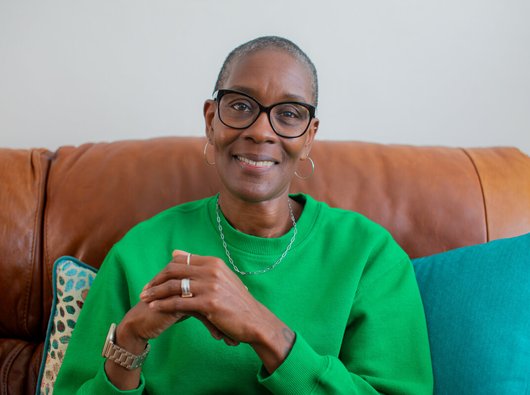
"When you’re struggling and feeling alone, talk to people. The worst thing we can do is to hold onto our fears or questions and try to solve it ourselves".
Yvonne, in remission from AML
Connecting with others experiencing late effects
If you're struggling, remember you’re not alone. Some people find it useful to connect with others who have been through similar things. You can do this through services such as online forums, buddy systems, support groups and patient events. We have information about services which facilitate peer support.
Our online community of over 5,000 people affected by blood cancer is here for you.

Want to talk?
If you have questions or worries, ask a blood cancer nurse. Our specialist nurses can help you make sense of things. So you can talk to your hospital team with confidence.
More About ThisAbout this information
This information is accredited with the PIF TICK, the UK's only quality mark for trusted health information.
Created August 2025. Next review due August 2028. We may make factual updates to the information between reviews.
We would like to thank Consultant Haematologist Victoria Grandage for checking the clinical accuracy of this information.