Behind the headlines on falling cancer death rates and why research must keep going
United Kingdom
In a week full of troubling news, you may have missed a more positive headline in the press...
The headline read ‘Cancer death rates in the UK have fallen to their lowest level on record’.
According to new figures from our friends at Cancer Research UK, death rates from cancer have fallen by 29% since they peaked in 1989. In the past decade alone, death rates have dropped by 11%.
Behind those headline numbers are real improvements across several cancers including bowel and breast cancers.
For blood cancers, death rates from leukaemia have fallen by 9% in the past decade, and the rates for Hodgkin lymphoma (14%), myeloma (5%) and non-Hodgkin lymphoma (9%) have also decreased.
This is genuinely good news. This means more people getting the chance to see their children grow up, make plans for the future that once felt uncertain, and get back to the everyday moments that cancer can interrupt.
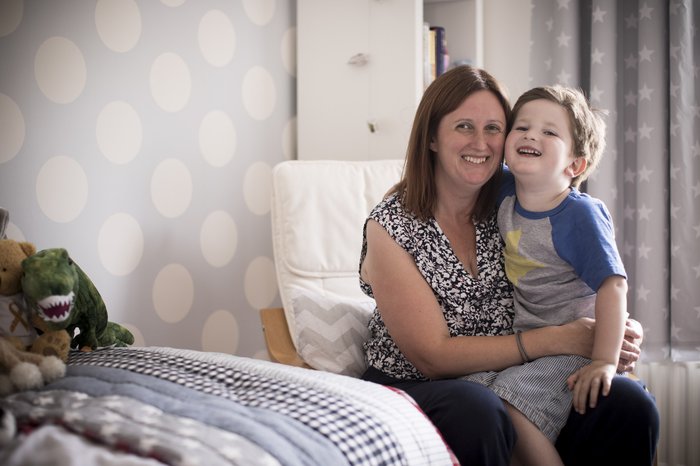
Hugo, in remission with blood cancer with his mother
But while it’s right to celebrate progress, it’s also worth looking a little more closely at what’s driving these changes and what it means for people affected by blood cancer.
Why death rates are falling
Cancer death rates reflect two main things: how many people develop cancer (incidence), and how likely those people are to survive.
For blood cancers, the picture is complex.
In recent years, the picture has been mixed. When you adjust for the UK’s growing and ageing population, some blood cancers – including leukaemia and non-Hodgkin lymphoma – have become slightly less common, while others such as myeloma and Hodgkin lymphoma have become slightly more common.
We don’t know why this is.
Unlike many other cancers, blood cancers often don’t have clear lifestyle risk factors or prevention strategies that explain these trends."
What we do understand much more clearly is the role of research in improving survival. Over the past few decades, research has transformed the outlook for many people with blood cancer. Treatments that didn’t exist a generation ago are now giving people more time and better quality of life.
Targeted therapies have revolutionised treatment for some types of leukaemia, which work by attacking cancer cells while leaving healthy ones alone. And immunotherapies are harnessing the power of the immune system to fight cancer in entirely new ways.
At Blood Cancer UK, we’re proud to support research that continues to contribute to these advances.
The reality for blood cancer
Sadly, even with this progress, more than 40,000 people are diagnosed with blood cancer in the UK each year and it remains the UK’s third biggest cancer killer. And with the UK’s growing and ageing population, overall blood cancer deaths are continuing to rise.
Diseases like acute myeloid leukaemia, forms of non-Hodgkin's lymphoma, and aggressive forms of myeloma remain very difficult to treat.
Shockingly, only 1 in 3 people currently survive the hardest to treat blood cancers."
People affected by these cancers often face limited treatment options and a higher chance of their cancer coming back. That’s why research remains essential.
Turning discoveries into treatments
Every improvement in survival begins with a scientific discovery. It might start with a researcher understanding how a blood cancer develops. Or discovering a genetic mutation that drives the cancer. From there, promising ideas must be tested in laboratories, developed into treatments, and finally put into clinical trials with patients.
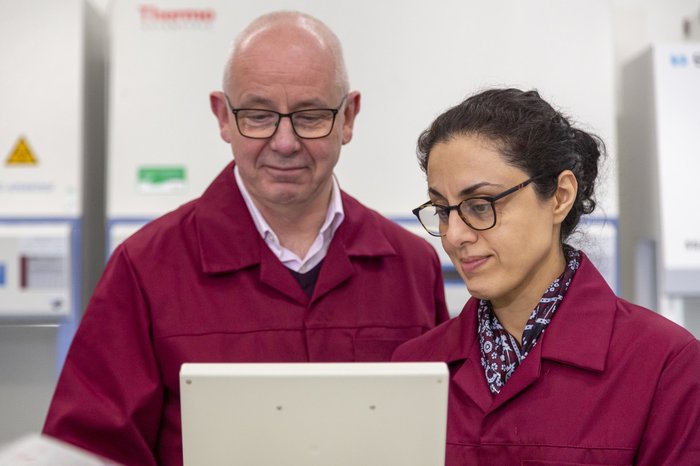
The falling cancer death rate shows what sustained investment in research can achieve. But progress is not guaranteed.
Right now, too many promising ideas struggle to move quickly enough from the lab into clinical trials. Too many trials take too long to open. And too many people with blood cancer never get the opportunity to take part.
By continuing to invest in research, supporting our scientists and expanding access to clinical trials, we can keep driving those death rates down. For the thousands of families each year who do hear the words “you have blood cancer”, progress can’t come soon enough.