Blood Cancer UK backs mother's campaign for safer patient records in Scotland
Scotland
Blood Cancer UK is supporting a Scottish Parliament petition calling for improvements to how patient records are shared across Scotland's NHS, after a mother says she repeatedly had to fill gaps in her adult daughter's medical history during treatment for blood cancer.
Sarah Johnston (née Howden), a former journalist and PR consultant, died in 2024 after developing graft-versus-host disease (GvHD) following treatment for a rare form of non-Hodgkin lymphoma, a type of blood cancer.
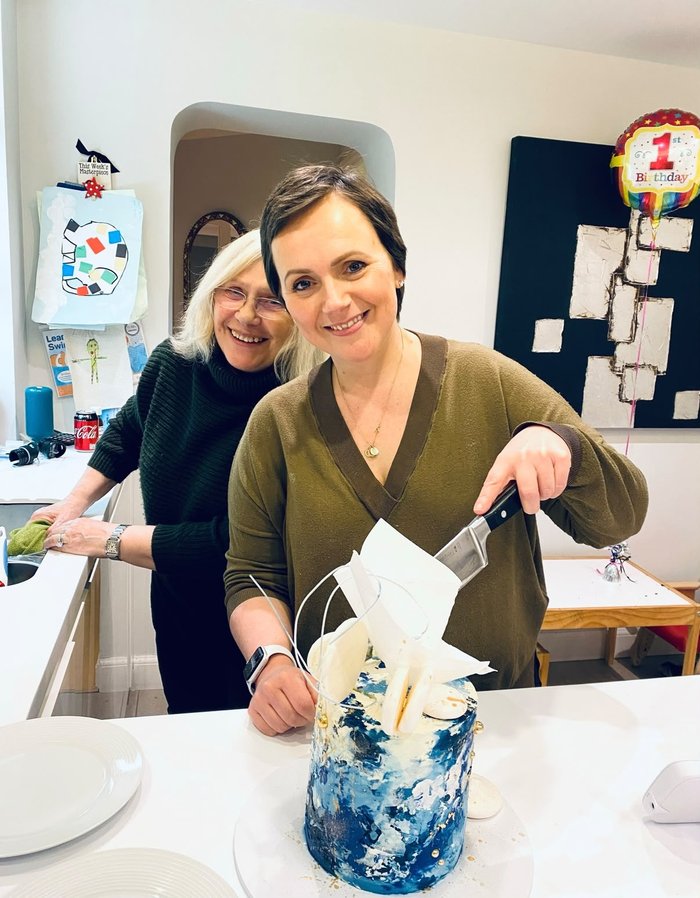
Kareen and Sarah
Over four years, Sarah received treatment across seven hospitals in three Scottish NHS health board areas, spending much of her final year as an inpatient at the Western General Hospital in Edinburgh.
Her mother, Kareen, who accompanied Sarah to hospital appointments and helped care for her, says she was unaware that important information and test results were not always being shared between the teams responsible for her daughter's treatment.
Kareen believes opportunities were missed during Sarah's care and that better communication between healthcare professionals could have made a difference.
Now, she's campaigning for improvements to how patient information is shared, in the hope that other families won't face the same difficulties.
Why better patient record sharing matters
Her petition calls on the Scottish Government to accelerate the introduction of a national Digital Health and Care Record and introduce measures to improve information sharing while the new system is being developed.
We also need the right systems, infrastructure and workforce in place to ensure everyone can access the best possible care.”
- Tracey Loftis, Deputy Director at Blood Cancer UK
Blood cancer is the UK's fifth most common cancer, and treatment can be complex, often involving specialist teams working across different hospitals. For patients receiving care in multiple settings, access to accurate, up-to-date information, including test results, scans and previous treatments, is essential to ensuring safe, joined-up care.
However, different NHS health boards in Scotland use systems that don't always communicate effectively with one another, making it more difficult for healthcare professionals to access the information they need.
The Scottish Government has committed to introducing a national Digital Health and Care Record, but full implementation could still be several years away.
How Blood Cancer UK is supporting the campaign
Blood Cancer UK has helped shape Kareen's petition and is engaging with MSPs and other stakeholders in Scotland to explore what improvements could be made in the meantime.
The charity has previously highlighted the risks of poor information sharing in its UK Blood Cancer Action Plan, which calls for action to address barriers to safe, effective and joined-up care.
Tracey Loftis, Deputy Director of Policy and Influencing at Blood Cancer UK, said:
“Sarah's story is heartbreaking, and we're incredibly grateful to her family for campaigning to improve care for others in her memory. For people with blood cancer, treatment can be complex and involve several different hospitals and healthcare teams. It's vital that the healthcare professionals looking after them can access accurate, up-to-date information about their care, wherever they're being treated.
“We're pleased that Scotland has committed to introducing a national digital health and care record, but with full implementation potentially still years away, patients shouldn't have to wait for improvements to how their information is shared. That's why we're supporting this petition and working with MSPs to explore what can be done now to improve patient safety.
“Improving outcomes for people with blood cancer isn't just about developing better treatments. We also need the right systems, infrastructure and workforce in place to ensure everyone can access the best possible care.”
Blood Cancer UK is calling on the Scottish Government to commit to more immediate action to improve information sharing between healthcare teams for conditions like blood cancer, alongside its longer-term plans for a single patient record.