Blood Cancer UK funded trial shows survival gain, as experts say drug could be repurposed as new treatment standard for rare blood cancer
A new UK trial has found that an oral treatment called ASTX727, could help people with certain rare blood cancers to live longer. Results presented at the American Society of Hematology Conference today (Sunday 7th December) show that people on ASTX727 have better responses to treatment than the current standard option, hydroxycarbamide.
The blood cancers, chronic myelomonocytic leukaemia (CMML) and related MDS/MPN overlap syndromes are blood cancers that affect the bone marrow, where blood cells are made.
The disease can cause symptoms such as tiredness, infections, and bleeding. They are often difficult to treat, and many people live less than two years after diagnosis. It’s the first time in almost 30 years that a randomised trial has shown a clear survival benefit for any drug for people living with these blood cancers.
This disease-modifying drug, ASTX727, is taken as a tablet and seeing this translate into a clear survival benefit for patients is a major advance
- Dr Daniel Wiseman, lead researcher
Blood cancer is the UK’s third largest cancer killer, taking 15,000 lives every year, so finding better, less toxic treatments is urgently needed. In the Blood Cancer UK funded trial, AMMO, brought together 13 hospitals across the country and involved 77 people. It compared ASTX727, an oral form of a drug called decitabine, against the usual care currently offered. Decitabine is a chemotherapy drug that’s already used to treat certain blood cancers including acute myeloid leukaemia (AML) in adults who are not able to tolerate intensive chemotherapy.
Repurposing a treatment already approved for use, means it could get approved for use and get to patients more quickly than developing a completely new treatment.
Of the 76 people whose results were analysed, more than half (54%) responded to ASTX727. This is double the number who responded to standard care (27%). People taking ASTX727 also lived significantly longer before their cancer got worse, and overall survival improved too.
Dr Daniel Wiseman, from the University of Manchester, lead researcher on the study and Blood Cancer UK-funded scientist, said:
“These results give real hope to people with chronic myelomonocytic leukaemia and related blood cancers. For a long time, treatment options have been limited, and outcomes for these patients have been poor. Currently, many people need strong medicines to control very high white blood cell counts, but these medicines often don’t tackle the cancer itself and tend to make the other low blood counts often experienced by these patients even worse. This disease-modifying drug, ASTX727, is taken as a tablet and seeing this translate into a clear survival benefit for patients is a major advance, and it could change how we treat these diseases moving forward.”
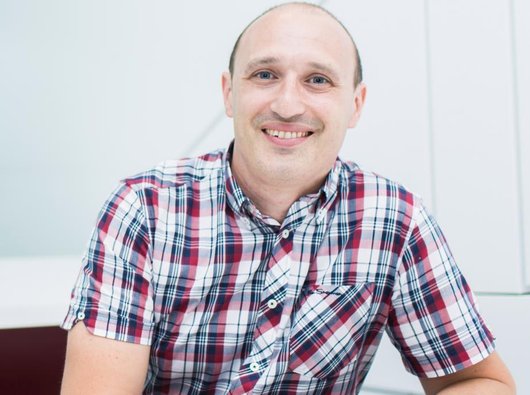
Chris, from the East Midlands has lived with CMML since 2022. He said:
“I have had this rare blood cancer since 2022. I haven't received any treatment as options are very limited. The repurposed medication to treat CMML especially in oral form will be an absolute game changer. As someone with the disease, I feel like opening the champagne bottles. God bless Dr Daniel Wiseman, his colleagues and Blood Cancer UK.”
Dr Rubina Ahmed, Director of Research, Policy and Services at Blood Cancer UK, who funded the research, said:
“These findings are hugely exciting and, for people affected by these blood cancers, could be life changing. This clinical trial shows that a treatment already approved for another blood cancer could help people with very limited options and repurposing a drug already used for another condition means it could get to people sooner than a new treatment.
“This is a phase 2 trial, so more work is needed before the drug can become more widely available, but it marks a major shift in our understanding and also shows what’s possible when scientists, clinicians and charities work together. At Blood Cancer UK we are proud that our supporters backed this research, and we will continue funding studies that move us closer to a future where nobody dies from blood cancer or its treatments.”