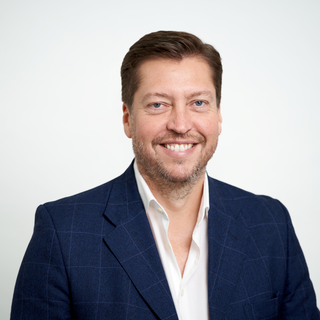
Living with myeloma: making the most of the time I’ve been given
United Kingdom
Meet Matthew Wilson - our Chair of Trustees who has shared his experience of blood cancer with us.
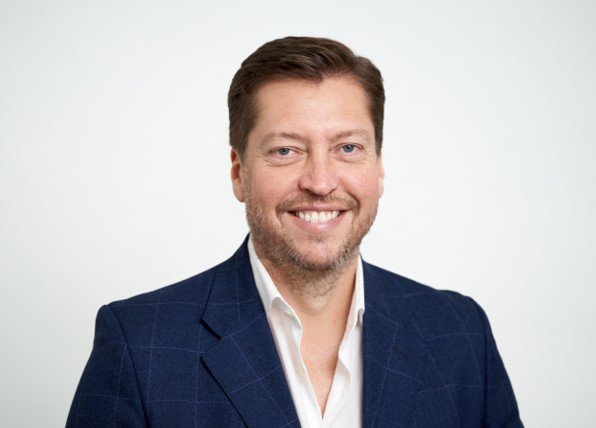
Matthew Wilson, Blood Cancer UK's Chair of Trustees
What myeloma means for me
This month is Blood Cancer Awareness Month, so I wanted to share a little of my experience to try to bring to life what more than 310,000 people in the UK are living with. I have multiple myeloma, a type of blood cancer located in the bone marrow which produces abnormal blood plasma cells. Myeloma is currently incurable and whilst initial treatment often leads to remission, myeloma almost always returns.
Normal blood plasma cells produce antibodies that fight infection. In myeloma, the abnormal plasma cells produce a large amount of a monoclonal protein (paraprotein) or parts of an antibody (light chains). The abnormal plasma cells eventually crowd out the normal red and white blood cells, leading to extreme fatigue and frequent infection. The cancer also affects the bones. It interferes with the mechanism that breaks down and rebuilds bone material, causing excessive bone destruction, leading to holes or lesions in the bone. This can lead to bone pain and fractures.
It took 15 months to get my diagnosis
It took me 15 months to get a diagnosis of myeloma in September 2021. Sadly this isn’t unusual - nearly half of all people with myeloma have to see their GP three or more times before they get a diagnosis. At diagnosis I was extremely ill, my blood was so thick with paraprotein, it was likely that in the short term, I would have had a brain haemorrhage. I received several blood transfusions to stabilise me and keep me alive. My haemoglobin level was 74 g/L, around half of what a normal male should have. Haemoglobin carries oxygen around the body, explaining why normal everyday activities were exhausting.
Treatment and my 'rebirth'
I initially underwent three months of treatment which included the immunotherapy drug daratumumab. Daratumumab based treatment is usually extremely effective in newly diagnosed myeloma patients. Unfortunately, while it did reduce the cancer burden, it didn’t put me in remission, so I underwent two months of high dose chemotherapy. That took the cancer burden low enough to be eligible for a stem cell transplant.
In myeloma, this involves taking bone marrow stem cells from yourself (autologous), rather than a donor (allogeneic). Once the stem cells have been removed, high dose chemotherapy is once again used, this time to destroy all of the existing bone marrow, before being replaced with the stem cells. In around two weeks the stem cells have grown into bone marrow and start producing their first blood cells. It is usually necessary to have blood transfusions during this time and it is likely, as it was for me, to get an infection, which is treated immediately with antibiotics. A stem cell transplant is not pleasant, and many people are too ill or weak to receive one, which is why we continue to need kinder treatments. For those of us fortunate enough to have a successful stem cell transplant, it is called a ‘rebirth’. I was ‘reborn’ in March 2022, aged 52.
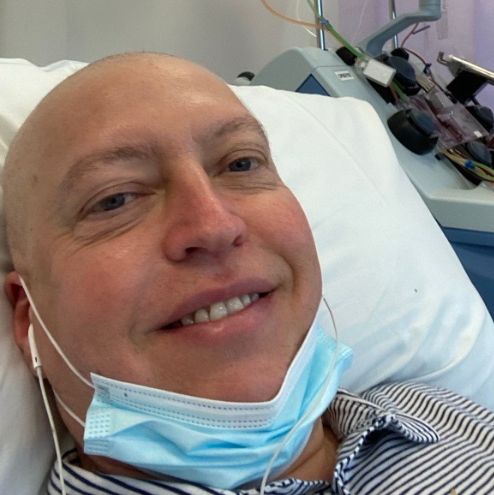
Undergoing treatment
With monthly maintenance treatment I remained cancer free until June 2025, when a bone marrow biopsy revealed the first few returning cancer cells. Living with uncertainty is unfortunately part of living with blood cancer. In fact I personally find it one of the hardest parts. Not knowing how long remission will last and not knowing ‘what’s next’, is mentally challenging. People cope in different ways and I know I am lucky to have the love and support of family and friends, but I recognise that’s not always the case. There are many organisations available for support and information and these are lifelines for so many people.
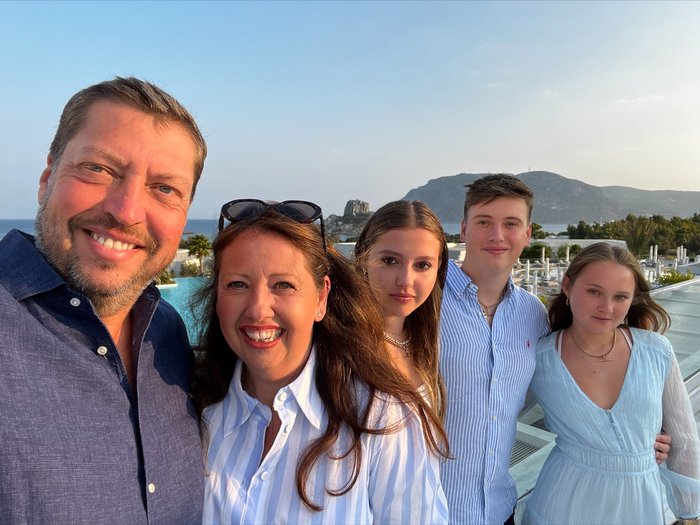
My family and I
Here for this
As I approach my fifth anniversary from diagnosis this month, and with my myeloma slowly returning, I am grateful for the additional time I’ve already been given and will hopefully continue to have. I have witnessed my son graduate and get his first job and I have seen my daughter go to university in Canada. My wife and I try to make the most of each day, cramming in as much as we can. I’m so proud of how my family have dealt with my cancer diagnosis, it is often just as challenging for them to navigate as it is for the patient. We have all had help along the way, cancer it seems is a ‘team’ activity. Please don’t feel you have to cope alone.
There is so much I still want to experience, and whilst my life is very different now, to the one I had before, it is still very fulfilling. Research in myeloma and other blood cancers is advancing at pace. At Blood Cancer UK we are investing more in blood cancer research than ever before. With that investment comes hope, and breakthroughs that bring forward the day when no one dies of blood cancer or its treatments.