New study strengthens evidence for new CAR T-cell treatment for aggressive blood cancer
United Kingdom
Today (Monday 8th December) scientists at Great Ormond Street Hospital and University College London have published new results showing the growing potential of CAR T-cell therapy for people with aggressive T-cell leukaemia.
Building on early cases first reported in 2022, this larger study reported in the New England Journal of Medicine shows the treatment can be delivered safely and consistently to more children and adults.
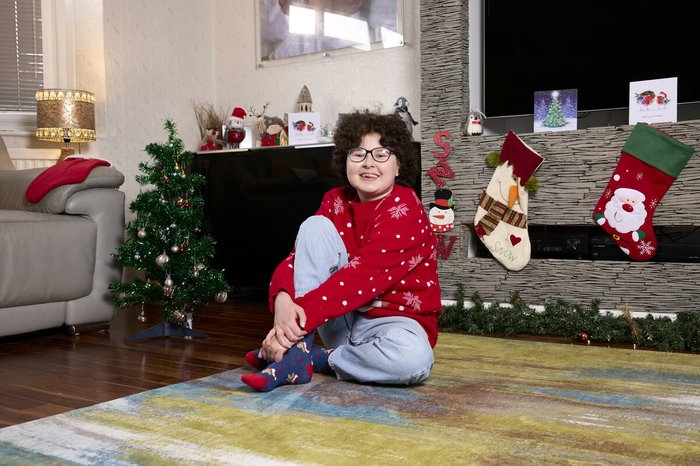
Alyssa, the first person in the world to receive the treatment
The scientists tested a new treatment called BE-CAR7, which uses gene editing to change donor immune cells so they can find and destroy cancer.
This treatment is different from standard CAR T-cell therapy because the cells used are “universal”, meaning they come from a healthy donor instead of the patient.
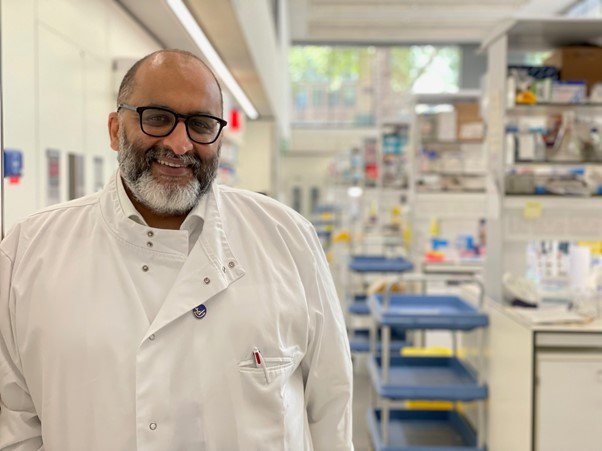
Professor Qasim who received Blood Cancer UK funding to help develop the CAR T-cell therapy.
Scientists use a very precise tool called base editing to make tiny changes in the cells’ DNA. These changes allow the cells to target cancer safely without harming each other or the patient. This careful editing also means the cells can be made in batches and stored, ready for people who need them quickly. Previously, in research funded by Blood Cancer UK, Professor Waseem Qasim identified a way to modify the CAR-T cells that shields them from attacking each other and instead allows them to just seek out and destroy the cancerous leukaemia cells.
These results show real promise that precise gene-editing could become a powerful new option for people with aggressive T-cell leukaemia, especially when standard treatments have stopped working.
- Dr Rubina Ahmed, Blood Cancer UK
In this new study, eight children and two adults were treated at GOSH and King’s College Hospital. They all had T-cell leukaemia that had stopped responding to standard treatments. The results were very encouraging. Most people (82%) reached a deep remission, which meant the cancer could no longer be found and they could move on to a stem-cell transplant. A transplant gives many people with this cancer the best chance of staying well for a long time. Early results also show that 64% of people remain disease-free, and the first patients treated are now doing well three years on.
The scientists also learned important lessons about how the treatment behaves in the body.
Our expert's view on the research
Dr Rubina Ahmed, Director for Research, Policy and Services at Blood Cancer UK, said:
“This new study builds on Blood Cancer UK-funded research, published a few years ago, where three children with leukaemia – a blood cancer - including a young girl called Alyssa were the first in the world to receive a new type of CAR T-cells. By treating a larger group of children and adults who had this aggressive blood cancer, the researchers have shown in this work that this approach can be delivered safely and in a consistent way.
“Importantly, almost all those in the trial reached a deep remission strong enough to move on to a stem-cell transplant, which is often their best chance of long-term survival. This study is vital as leukaemia is the most common childhood cancer and it also gives scientists much clearer information about the treatment’s side effects. These include how long the edited CAR T-cells stay in the body, and why a small number of cancers lose the CD7 marker to hide from treatment.
“These results show real promise that precise gene-editing could become a powerful new option for people with aggressive T-cell leukaemia, especially when standard treatments have stopped working.”
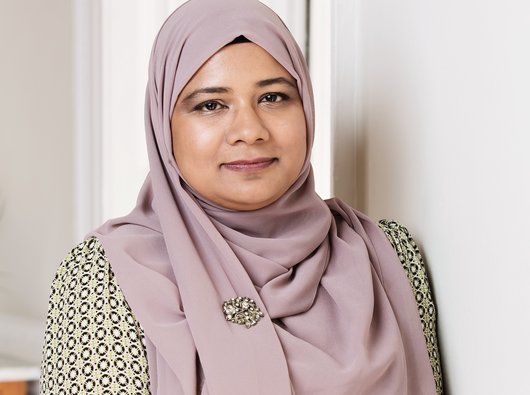
Director of Research, Policy and Service, Dr Rubina Ahmed