Next generation CAR T-cell therapy offers new hope for people with aggressive blood cancer
United Kingdom
The NHS England announced a new personalised CAR T-cell therapy, obe-cel, available within weeks for adults with relapsed or refractory B-cell acute lymphoblastic leukaemia (B-cell ALL).
B-cell ALL is an aggressive form of blood cancer that progresses quickly and remains one of the most challenging to treat.
The treatment will be available in England to people aged 26 and over with B-cell acute lymphoblastic leukaemia which has returned or not responded to previous treatment.
Obe-cel is a “living medicine”, where a patient’s own immune cells are re-engineered to recognise and attack cancer cells before being returned to the body.
BBC News were present when Oscar Murphy, 28 was given the drug at Manchester Royal Infirmary earlier in the January.
In clinical trials, 77% of people saw their cancer go into remission, with many remaining free from detectable disease years later.
Importantly, the therapy has shown lower toxicity than existing CAR T-cell therapy options, meaning fewer severe side effects and a safer experience for those going through treatment.
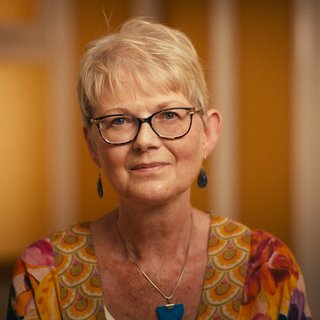
Dr Rubina Ahmed, Director of Research, Policy and Services at Blood Cancer UK, said:
“This is a landmark moment for people with aggressive blood cancer. Blood Cancer UK funding supported the academic research team whose work led to this treatment and helped lay the foundations for the company, Autolus, that developed it. It shows what’s possible when long-term charity funding, world-class science and the NHS come together. It’s incredibly powerful to now see patients benefiting on the NHS, and it’s vital that people across the UK can access it including seeing this treatment approved in Scotland as quickly as possible.”
Eligible patients will receive two doses of the therapy intravenously, ten days apart, with the treatment being delivered at selected specialist centres across the country. It is estimated that is could be administered to around 50 people each year in England.
It was academic CAR T-cell research at UCL supported by translational funding that eventually led to the creation of Autolus, the company behind obe-cel. This bench-to-clinic journey shows just how important charities like Blood Cancer UK are in helping drive forward the development of new treatments for people with disease.
Health boards in England have 90 days to make this medicine available to patients. Wales and Northern Ireland usually follow NICE’s recommendation and make this available, but this can take longer than in England. In Scotland, there is a separate approval process for medicines, which the drug company Autolus is yet to submit to.