£

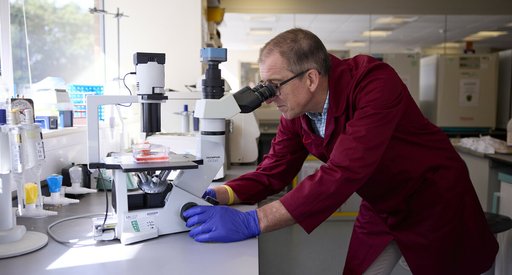
In some cases of AML, people can see their disease return. This is because some cells get left behind despite treatment. Professor Bertie Göttgens wants to understand more about this and find new ways to treat the disease.

Project information

Lead researcher

Professor Bertie Göttgens, University of Cambridge

Research team
  • A team at University of Cambridge
Related conditions
  • Acute myeloid leukaemia (AML)
Research type
  • Non-clinical
Region
  • East Anglia
Grant awarded
  • Programme Continuity Grant
Status
Completed
Funding award date
October 2025
Amount awarded

£300,000

The challenge

All the different types of blood cells in our body come from a specialised cell called a ‘blood stem cell’. In acute myeloid leukaemia (AML), changes can happen in the genes of blood stem cells causing them to turn into ‘pre-leukaemia’ cells. While it is possible to treat AML, around half of people will see their cancer return after their first treatment because the treatment is unable to kill off these pre-leukaemic cells

The project

Using cutting-edge technology, Professor Göttgens and his team will look at the activity of thousands of genes within a single cell and will see which ones are responsible for turning healthy blood stem cells into pre-leukaemic cells. They will then test whether disrupting these genes can kill off the pre-leukaemic cells.

The future

If successful, this research will lead to a new generation of AML treatments that will be able to target pre-leukaemic stem cells and hopefully prevent the disease from returning.

Help us beat blood cancer by funding a research project

  • Could help eight people newly diagnosed with blood cancer understand their condition.
  • Could help researchers study blood cancer cells to develop new treatments and improve early diagnosis.
  • Could help scientists identify genetic patterns in tumour samples to better understand how genes contribute to the development of blood cancer.
Donate