
Developing a new treatment for an aggressive form of acute myeloid leukaemia (AML)
Some people have a type of acute myeloid leukaemia (AML) that can be more difficult to treat. Professor Erika Mancini wants to test a drug that means cancerous cells are unable to repair themselves if they become damaged. The hope is that this will cause the cells to die and potentially create a new way to treat the disease.
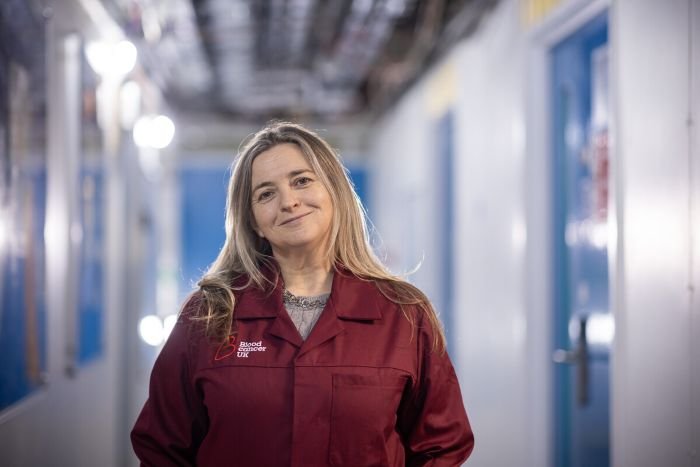
Professor Erika Mancini
Project information
- Lead researcher
Professor Erika Mancini, University of Sussex
- Research team
-
- Related conditions
-
- Acute myeloid leukaemia (AML)
- Research type
-
- Non-clinical
- Region
-
- South East
- Grant awarded
-
- Innovative Pilot Grant
- Status
- Ongoing
- Funding award date
- May 2026
- Amount awarded
£29,991
- Project completion date
- January 2027
The challenge
AML is an aggressive blood cancer that can be difficult to treat. Some people with AML have a specific genetic change that causes their cancer cells to grow very quickly. This makes the disease much harder to treat and more likely to come back after treatment. Many treatments aren’t as effective for people with AML who have this genetic change and so there is a need to find new approaches that work in a different way.
The project
Professor Mancini and her team believe that because these AML cancer cells grow so quickly, they damage their own DNA. To survive, the AML cancer cells rely heavily on a repair protein that helps them to fix the damage and keep growing. The team have developed a new drug that blocks this repair protein. By blocking this protein, they believe the cancer cells will no longer be able to repair themselves and will die. They plan to test this new drug on AML cells in the lab and study what happens. This will help them to understand exactly how the drug works and whether it could be developed into a new treatment.
The future
If successful, this research could be an important first step towards a new treatment for people with this aggressive type of AML, stopping their cancer from coming back. In the longer term, this approach could also open up new ways to treat other fast-growing blood cancers that behave in a similar way.
Find out more
Our research
Thanks to our blood cancer community, we've invested over £500 million into research since 1960. Our discoveries have led to better and kinder treatments, and transformed lives.

Support for you
We’re here for anyone worried about or affected by blood cancer. Call our free blood cancer support line, email us or join our online community.

Blood cancer types
Understand all the different types of blood cancer and find information and support.

Clinical Trials Support Service
Find out how our Clinical Trials Support Service can help you.