
Finding a new way to treat leukaemia
Researchers are testing a tool to study differences between healthy and cancerous blood cells.
Differences exist between normal blood cells and cancerous blood cells. Professor Kent and his team want to test a new tool that examines these differences to help develop technology that will lead to new way of treating leukaemia.
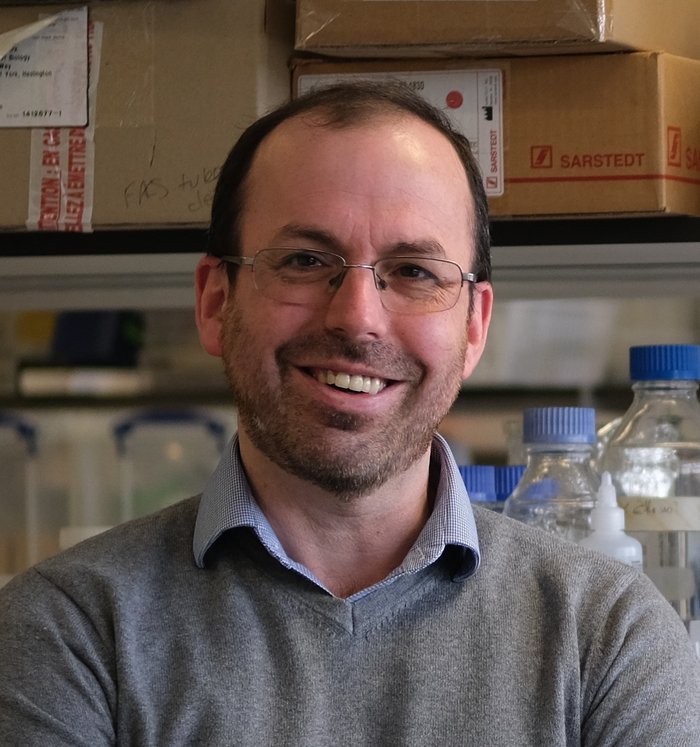
Professor David Kent
Project information
- Lead researcher
Professor David Kent, University of York
- Research team
-
- Dr Rasha Rezk
- Related conditions
-
- Leukaemia
- Research type
-
- Non-clinical
- Region
-
- Yorkshire
- Grant awarded
-
- Project Grant
- Status
- Ongoing
- Funding award date
- January 2024
- Amount awarded
£300,000
The challenge
Differences exist between normal blood cells and cancerous blood cells which result in them behaving in different ways.
Researchers have identified unique features in cancer cells, which has led to the development of treatments that specifically target the cancer cells, leaving healthy cells unharmed.
However, research hasn’t paid much attention to the differences in the shape and structure of normal blood cells compared to cancerous blood cells. Understanding these differences in blood cells could unlock new ways to treat leukaemia.
The project
Professor Kent has created a tool that can apply pressure to blood cells to examine their shape and structure. Using this tool, they’ve noticed that when they apply pressure to cancerous blood cancer cells that they react differently to healthy blood cells. They plan to study this further, looking at these differences in more detail, as this could help them discover new ways of treating the disease.
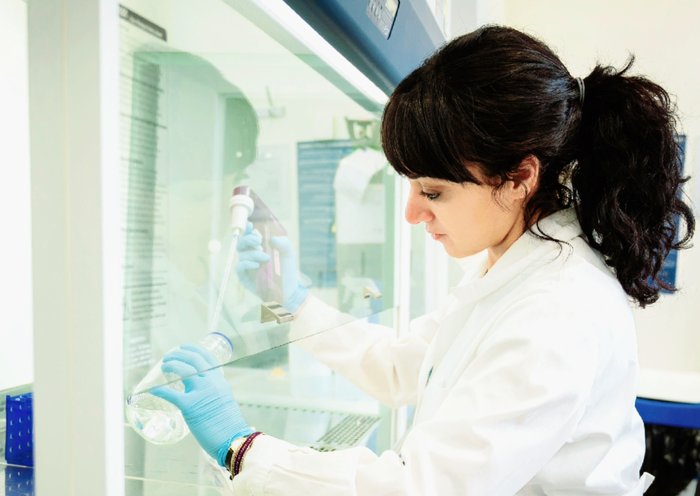
Dr Rasha Rezk, leading the research project alongside Professor Kent.
The future
If successful, the research could lead to the development of new technology that could be used on a bigger scale in hospitals to treat people with leukaemia. This could allow for new types of treatments for leukaemia that can effectively target cancerous blood cells.
Find out more
Our research
Thanks to our blood cancer community, we've invested over £500 million into research since 1960. Our discoveries have led to better and kinder treatments, and transformed lives.
Support for you
Get free support from our specialist nurses, join our online community and access information you can trust.
Blood cancer types
Understand all the different types of blood cancer and find information and support.
Clinical trials
Clinical trials are how new treatments are developed and improved. Find information and support at every stage of your journey.