
Making stem cell transplants safer for people with blood cancer
After a stem cell transplant, a serious complication called graft-versus-host disease (GvHD) can develop where the donor's immune cells attack the patient's body. Dr Verma wants to find ways to predict who is at risk of this happening to develop ways to prevent this.
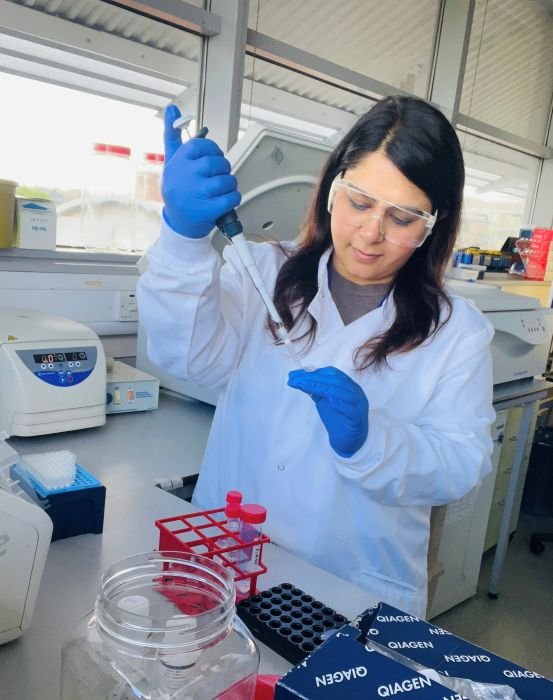
Dr Kriti Verma
Project information
- Lead researcher
Dr Kriti Verma University of Birmingham
- Research team
-
- Related conditions
-
- Research type
-
- Non-clinical
- Region
-
- Grant awarded
-
- Early Career Fellowship
- Status
- None
- Funding award date
- September 2026
- Amount awarded
£449,885
- Project completion date
- August 2029
The challenge
Stem cell transplants can cure some blood cancers by replacing a patient's unhealthy blood-forming cells with healthy ones from a donor. However, this treatment carries a serious risk of developing a condition called GvHD. This is where the donor's immune cells mistakenly attack the patient's own body. This can damage organs and in severe cases can be life-threatening. The main treatment for GvHD is steroids, but these cause serious side effects and do not work for all patients. Doctors also cannot yet predict who will develop GvHD, meaning many patients receive strong treatments they may not need.
The project
Dr Verma and her team at University of Birmingham have discovered a ‘warning signal’ in the blood that could help identify patients at risk of developing GvHD. In this project they plan to measure this warning signal in blood samples taken shortly after a transplant to create a risk score. This would help doctors decide who may need close monitoring and who can safely avoid unnecessary steroid treatment. They will also study tissue samples from organs in people affected by GvHD, such as the gut and liver. Using advanced imaging, they will map which immune cells are causing damage and where. They will use this knowledge to directly inform the design of a new treatment where they will create 'peacekeeper' immune cells that will travel directly to sites of inflammation and calm the harmful immune attack. Importantly, they will do this without switching off the immune system's ability to destroy cancer cells. The peacekeeper cells will first be developed and tested in the laboratory, with the aim of progressing to clinical trials in patients in the future.
The future
It is hoped this research will lead to a simple blood test that helps doctors spot those at risk of GvHD early so these patients can be treated. The new ‘peacekeeper’ immune cells could offer a kinder, more targeted alternative to steroid treatments, reducing the chance of complications and improving patients’ quality of life. Together, these advances could give people with blood cancer who need a stem cell transplant the best possible chance of survival.
Find out more
Our research
Thanks to our blood cancer community, we've invested over £500 million into research since 1960. Our discoveries have led to better and kinder treatments, and transformed lives.

Support for you
We’re here for anyone worried about or affected by blood cancer. Call our free blood cancer support line, email us or join our online community.
Blood cancer types
Understand all the different types of blood cancer and find information and support.

Clinical Trials Support Service
Find out how our Clinical Trials Support Service can help you.