
Reapplying the brakes in out of control CLL cells
Chronic lymphocytic leukaemia typically responds well to chemotherapy and other treatments, but eventually these treatments can stop working. Dr Michie is investigating ways we can overcome this problem.
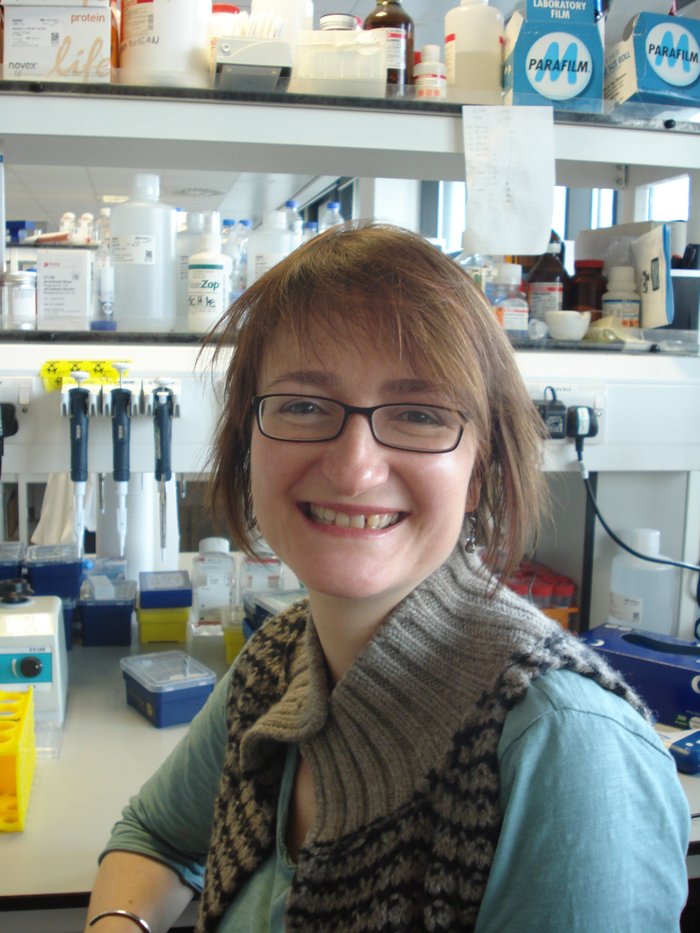
Dr Alison Michie in the lab
Project information
- Lead researcher
Dr Alison Michie, University of Glasgow
- Research team
-
- A team at University of Glasgow
- Related conditions
-
- Chronic lymphocytic leukaemia (CLL)
- Research type
-
- Non-clinical
- Region
-
- Scotland
- Grant awarded
-
- Project Grant
- Status
- Completed
- Funding award date
- March 2019
- Amount awarded
£249,000
- Project completion date
- November 2023
The challenge
Chronic lymphocytic leukaemia (CLL) is the most common blood cancer among adults in the UK and is not yet curable.
While in many cases people with CLL will respond to chemotherapy or targeted treatments, these treatments will eventually stop working. We need new therapies that can overcome this problem.
The project
Dr Alison Michie and her team are exploring the role of a group of proteins called FOXO in CLL, which can act as ‘brakes’ on the growth of cells. But in CLL, other cells can switch off FOXO, meaning that CLL cells can grow out of control.
The future
Dr Michie wants to know if disrupting the signals that are stopping FOXO proteins from working can prevent CLL cells from growing.
There are already drugs available that can stop the signals switching off FOXO, so if Dr Michie’s work is successful, one or more of these may quickly become a new treatment option for people with CLL.
Find out more
Our research
Thanks to our blood cancer community, we've invested over £500 million into research since 1960. Our discoveries have led to better and kinder treatments, and transformed lives.

Support for you
We’re here for anyone worried about or affected by blood cancer. Call our free blood cancer support line, email us or join our online community.

Blood cancer types
Understand all the different types of blood cancer and find information and support.

Clinical Trials Support Service
Find out how our Clinical Trials Support Service can help you.