
Studying how the immune system behaves in myeloma
tba
We need to find better ways to treat myeloma. Professor Kwee Yong is studying how the immune system changes in myeloma and during its treatment. She hopes that this could help people with myeloma keep their cancer at bay for longer.
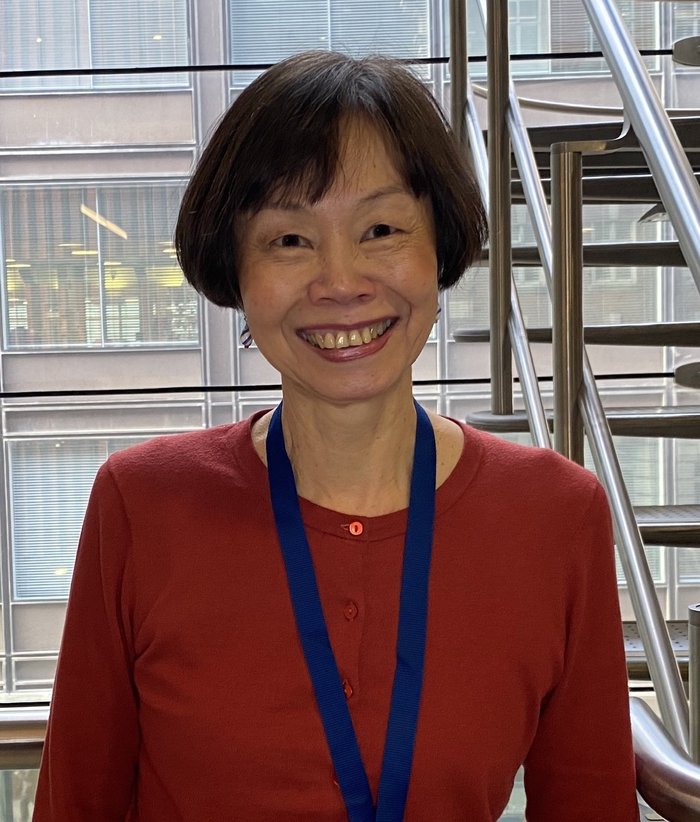
Professor Kwee Yong
Project information
- Lead researcher
Professor Kwee Yong, University College London
- Research team
-
- Related conditions
-
- Myeloma
- Research type
-
- Non-clinical
- Region
-
- London
- Grant awarded
-
- Project Grant
- Status
- Ongoing
- Funding award date
- June 2021
- Amount awarded
£249,954
The challenge
Myeloma is a cancer that occurs in the bone marrow. Stem cell transplants can help people with myeloma to keep their disease at bay, but they don’t always work for everyone.
We need to find new ways to treat people with myeloma to help contain their disease for longer.
The project
Professor Kwee Yong is leading a clinical trial called RADAR, where people who have recently been diagnosed with myeloma receive a stem cell transplant.
If there are any remaining signs of their disease, the participants will then receive further treatments. These treatments include immunotherapy drugs, which encourage the immune system to attack the myeloma cells.
In this project supported by Blood Cancer UK, Professor Yong will study how myeloma can change how the immune system works. Some immune cells might actually help myeloma by stopping the immune system from attacking the cancer. Professor Yong thinks that people who have lots of these cells have a higher chance of their myeloma coming back after treatment.
Professor Yong will study blood and bone marrow samples from people taking part in the RADAR trial. She will first look at the immune cells present before and after they received the stem cell transplant. In doing this, she hopes to develop a way to help doctors predict whether a stem cell transplant is going to be successful for a person with myeloma.
Some of the people in the trial will receive immunotherapy drugs after their transplant.
Professor Yong hopes to also find a way to predict how effective these immunotherapies will be at controlling myeloma. She will do this by studying changes to the immune cells in the bone marrow before and after immunotherapy treatment.
The future
Professor Yong’s research will improve our understanding of how the immune system changes in myeloma and its treatment.
In the future, this could help doctors decide on the best treatments for a person diagnosed with myeloma.
Ultimately, this will help these people keep the disease at bay for longer and enjoy a good quality of life.
Find out more
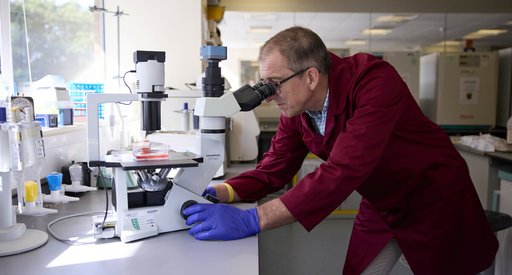
Our research
Thanks to our blood cancer community, we've invested over £500 million into research since 1960. Our discoveries have led to better and kinder treatments, and transformed lives.

Support for you
We’re here for anyone worried about or affected by blood cancer. Call our free blood cancer support line, email us or join our online community.
Blood cancer types
Understand all the different types of blood cancer and find information and support.

Clinical Trials Support Service
Find out how our Clinical Trials Support Service can help you.