
Targeting specific proteins in AML cancer cells
Treatments for acute myeloid leukaemia (AML) haven’t really changed much in the last forty years. Dr Radzisheuskaya wants to conduct experiments to understand the roles of specific proteins so she can develop more effective treatments for people with AML, giving them a better chance of survival.
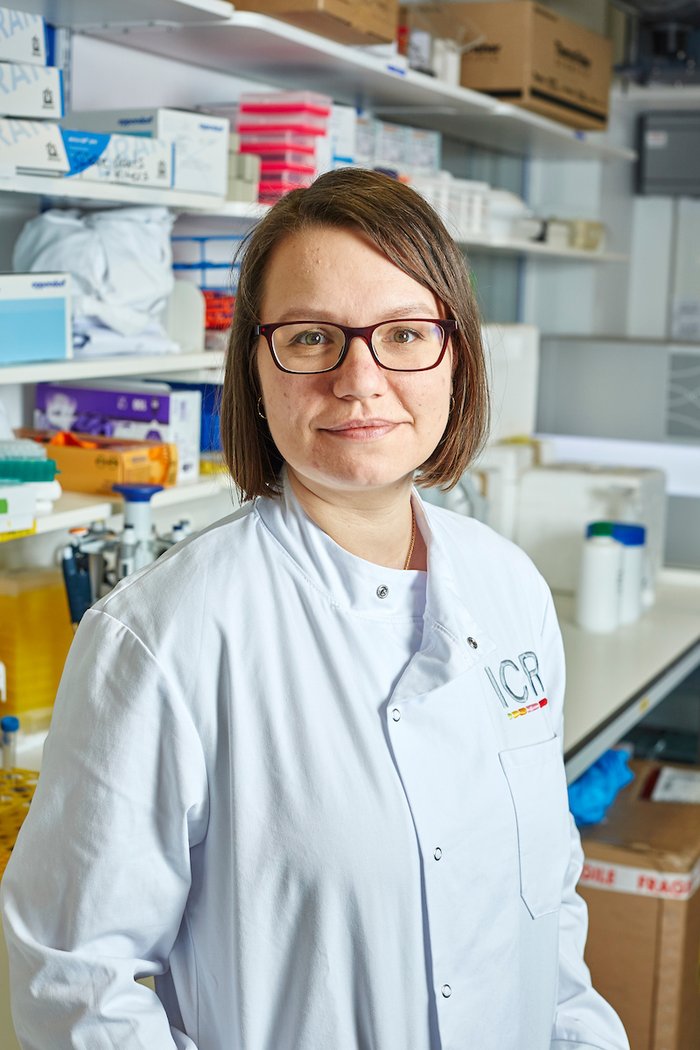
Dr Aliaksandra Radzisheuskaya
Project information
- Lead researcher
Dr Aliaksandra Radzisheuskaya, Institute of Cancer Research
- Research team
-
- A team at the Institute of Cancer Research
- Related conditions
-
- Acute myeloid leukaemia (AML)
- Research type
-
- Non-clinical
- Region
-
- London
- Grant awarded
-
- Innovative Pilot Grant
- Status
- Completed
- Funding award date
- May 2024
- Amount awarded
£30,000
- Project completion date
- April 2025
The challenge
Acute myeloid leukaemia (AML) is an aggressive type of blood cancer with poor outcomes. Currently only about 25% of people survive for 5 years, so research is needed to find new and better treatments for this disease.
Even though some promising new treatments have been developed, treatment for AML haven’t really changed much in the last forty years. It’s really important for researchers to find new and better ways to treat this disease.
The project
In her previous work, Dr Radzisheuskaya and her team tested removing specific proteins from AML cancer cells. When they removed one type of protein these cells died, yet when they removed a different protein, nothing happened. This research highlighted how proteins have different roles in determining whether the AML cancer cells survive.
Dr Radzisheuskaya plans to use this knowledge and conduct experiments in the lab to understand these roles better so she can begin to develop more effective treatments that give people with AML a better chance of survival.
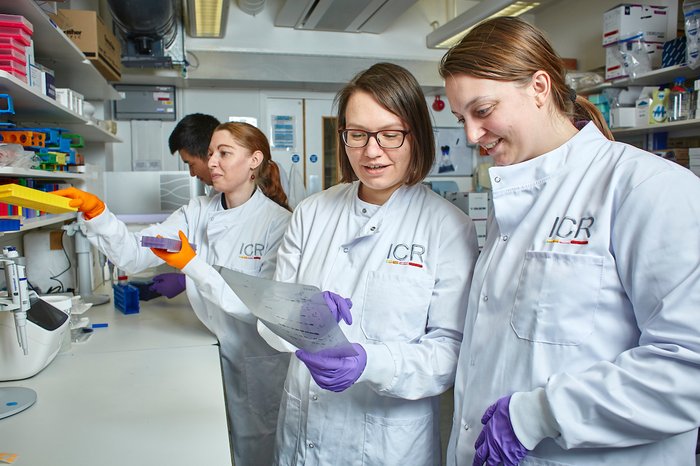
Dr Radzisheuskaya and team
The future
If successful, this research could provide a better understanding of the roles of specific proteins in the development of leukaemia. This could ultimately lead to better, more targeted treatments for people with AML in the future.
Find out more
Our research
Thanks to our blood cancer community, we've invested over £500 million into research since 1960. Our discoveries have led to better and kinder treatments, and transformed lives.

Support for you
We’re here for anyone worried about or affected by blood cancer. Call our free blood cancer support line, email us or join our online community.

Blood cancer types
Understand all the different types of blood cancer and find information and support.

Clinical Trials Support Service
Find out how our Clinical Trials Support Service can help you.