
Testing a new type of drug that could stop blood cancer cells from growing
Many cancerous blood cells have high levels of a protein that help them grow and survive. Dr Batta wants to find a new and more precise way to stop this protein from being made, which he hopes will provide a new treatment for people with blood cancer in the future.
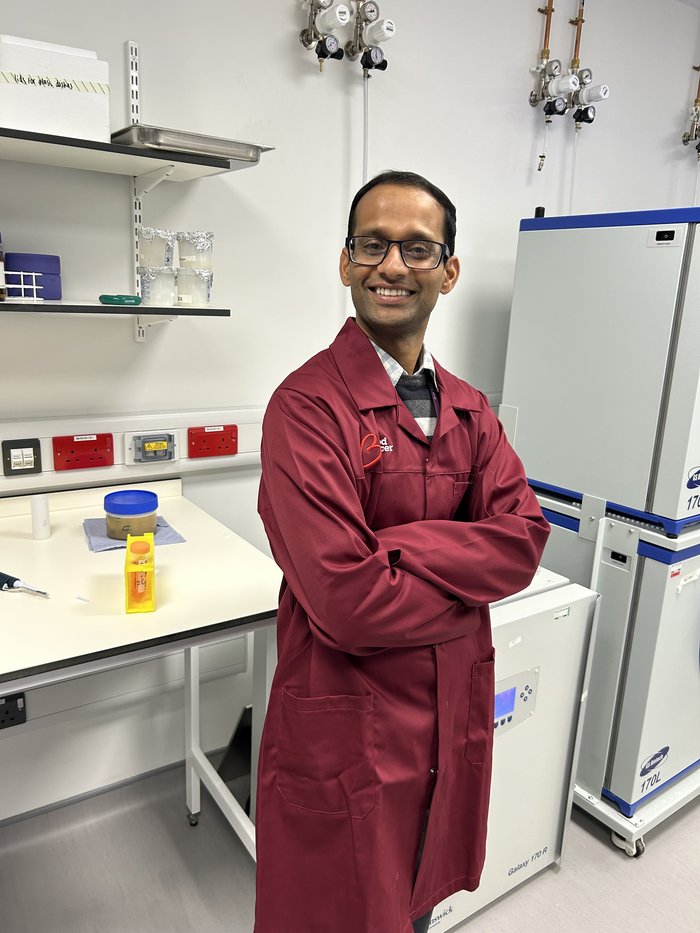
Dr Kiran Batta
Project information
- Lead researcher
Dr Kiran Batta, University of Manchester
- Research team
-
- Related conditions
-
- Myeloma
- Leukaemia
- Root condition
- Research type
-
- Non-clinical
- Region
-
- North West
- Grant awarded
-
- Innovative Pilot Grant
- Status
- Ongoing
- Funding award date
- April 2026
- Amount awarded
£29,492
- Project completion date
- March 2027
The challenge
Many blood cancers, including some types of leukaemia and myeloma, have high levels of a protein called Galectin-1. This protein helps the cancer cells grow, survive and resist treatment. Researchers have previously tried to block this protein, but these medicines had to be at very high doses and caused serious side effects for patients. There is currently no safe and effective way to stop this protein from helping blood cancer cells survive, but researchers believe targeting this protein could be an effective way to treat blood cancers.
The project
In this project, Dr Batta and his team will test a new type of drug that works in a different way to target this protein. Rather than trying to block it after it has already been made, the new drug will target the instruction manual inside the cell that tells the cell to make this protein. The team will test this drug on blood cancer cells donated from people with leukaemia and myeloma. They want to understand how it slows down cancer cell growth and causes cancer cells to die so they can develop it further and make it even more effective. They will also check that the drug is acting precisely on its intended target and not affecting any healthy cells.
The future
If successful, this research could be an important step towards developing a new targeted treatment for some blood cancers by targeting cancer-supporting proteins that were previously difficult to reach with traditional medicines.
Find out more
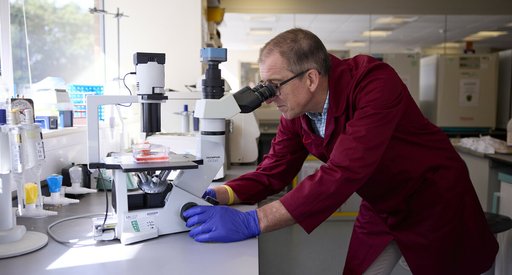
Our research
Thanks to our blood cancer community, we've invested over £500 million into research since 1960. Our discoveries have led to better and kinder treatments, and transformed lives.

Support for you
We’re here for anyone worried about or affected by blood cancer. Call our free blood cancer support line, email us or join our online community.

Blood cancer types
Understand all the different types of blood cancer and find information and support.

Clinical Trials Support Service
Find out how our Clinical Trials Support Service can help you.