£

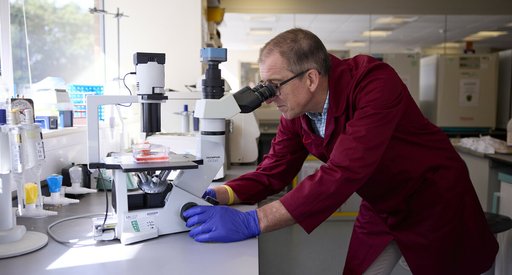
Acute myeloid leukaemia (AML) cancer cells can cope with the stress that comes from them dividing and multiplying quickly. Dr Papamichos Chronakis and his team want to understand this in more detail so they can find ways to stop these cancer cells dividing and multiplying out of control.

Project information

Lead researcher

Dr Manolis Papamichos Chronakis, University of Liverpool

Research team
  • A team at University of Liverpool
Related conditions
  • Acute myeloid leukaemia (AML)
Research type
  • Non-clinical
Region
  • North West
Grant awarded
  • Innovative Pilot Grant
Status
Completed
Funding award date
June 2024
Amount awarded

£30,000

Project completion date
November 2025

The challenge

AML is an aggressive type of blood cancer that affects blood cells and the bone marrow.

Current treatments for AML could be improved to give more people with the disease a better chance of survival. In AML, cancer cells grow and divide quickly placing the cells under a lot of stress. Yet, somehow the AML cells can cope with this stress allowing them to become cancerous.

The project

In previous work, Dr Papamichos Chronakis has discovered a specific protein that seems to help AML cells deal with stress and allow the cancer cells to divide and multiply out of control.

In this current Blood Cancer UK funded pilot project, they plan to study AML cancer cells in the lab and figure out exactly how this protein does this.

The future

If successful, and the researchers can understand how the AML cancer cells use this protein to cope with this stress they can begin to search for new treatments that target this protein, leading to new and better ways to treat AML in the future.

Help us beat blood cancer by funding a research project

  • £15 could help eight people newly diagnosed with blood cancer understand their condition.
  • £30 could help researchers study blood cancer cells to develop new treatments and improve early diagnosis.
  • £50 could help scientists identify genetic patterns in tumour samples to better understand how genes contribute to the development of blood cancer.
Donate