
Understanding how the body's immune cells may accidentally help leukaemia cells survive
B-cell acute lymphoblastic leukaemia (B-ALL) is a type of blood cancer that can sometimes return after treatment. Dr Kourtzelis wants to understand whether the body's own immune cells may be accidentally helping the cancer to survive so he can find new ways to prevent this from happening.
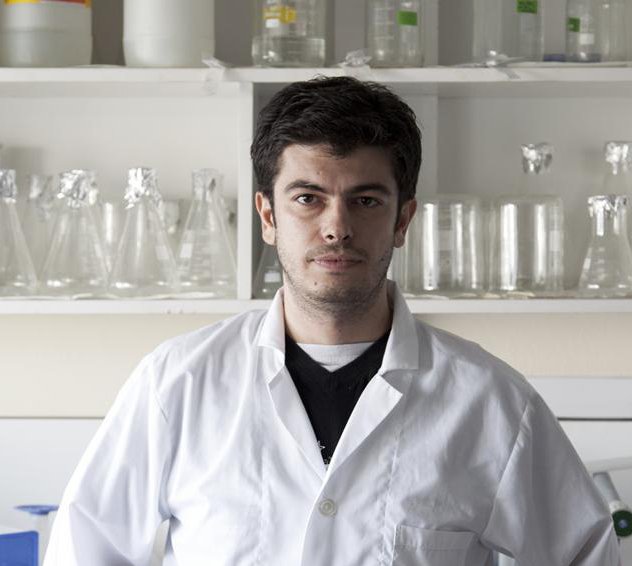
Dr Ioannis Kourtzelis
Project information
- Lead researcher
Dr Ioannis Kourtzelis, University of York
- Research team
-
- Related conditions
-
- Acute lymphoblastic leukaemia (ALL)
- Leukaemia
- Research type
-
- Non-clinical
- Region
-
- Yorkshire
- Grant awarded
-
- Innovative Pilot Grant
- Status
- Ongoing
- Funding award date
- May 2026
- Amount awarded
£29,999
- Project completion date
- April 2027
The challenge
B-ALL is a type of blood cancer that develops in the bone marrow, the soft spongy tissue inside our bones where blood cells are made. In this type of blood cancer, immature blood cells grow out of control, crowding out healthy blood cells. While treatments have improved significantly, in some people, the cancer can return after treatment, and we do not fully understand why. Inside the bone marrow there are cells called macrophages, which act like cleaners, removing dead and dying cells from the body. In B-ALL, after chemotherapy kills cancer cells, macrophages clean up the dead cancer cells as normal. However, this clean-up process may cause the macrophages themselves to change their behaviour, switching from being helpers into cells that dampen down the immune system. This could make it easier for any remaining cancer cells to survive and grow.
The project
In this project, Dr Ioannis and his team will study how macrophages interact with leukaemia cells. They will perform experiments to look at what happens when macrophages clean up dead cancer cells after chemotherapy, and how this changes the way macrophages behave. They will focus in particular on a protein called DEL-1. Macrophages use this protein to recognise and engulf dead cancer cells. The team have found that levels of this protein rise inside macrophages during this clean-up process. They believe this may be what triggers the macrophages to switch their behaviour and suppress the immune system. By studying this protein in more detail, the team hope to confirm whether it is responsible for this harmful change. If it is, they want to find out whether blocking it could stop the immune system from being dampened down, giving the body a better chance of destroying any remaining cancer cells.
The future
If successful, this research could help explain why some people with B-ALL see their cancer return after treatment. In the longer term, understanding how macrophages may accidentally support cancer cells, could lead to new treatments that not only target cancer cells directly but also prevent the cancer from returning.
Find out more
Our research
Thanks to our blood cancer community, we've invested over £500 million into research since 1960. Our discoveries have led to better and kinder treatments, and transformed lives.
Support for you
Get free support from our specialist nurses, join our online community and access information you can trust.
Blood cancer types
Understand all the different types of blood cancer and find information and support.
Clinical trials
Clinical trials are how new treatments are developed and improved. Find information and support at every stage of your journey.