£

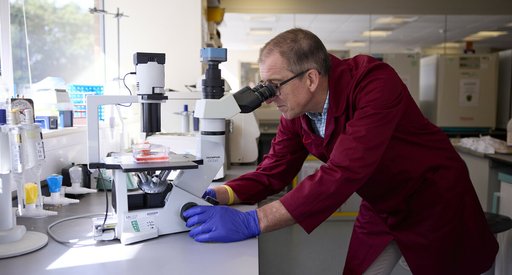
CT scans are often used to help diagnose blood cancers but can increase the risk of a child developing blood cancer. Dr McNally’s research is exploring patterns in data to try to understand any potential risk to help doctors to personalise treatment to each child based on their individual risk level.

Project information

Lead researcher

Dr Richard McNally, Newcastle University

Research team
  • A team at Newcastle University
Related conditions
  • Childhood leukaemias
  • Root condition
Research type
  • Non-clinical
Region
  • North East
Grant awarded
  • Innovative Pilot Grant
Status
Ongoing
Funding award date
May 2025
Amount awarded

£29,317.38

The challenge

Blood cancer is the most common cancer in children.

CT scans are often used to help diagnose blood cancers but can increase the risk of a child developing blood cancer in the first place.

This type of scan uses x-rays and computers to create a detailed picture of the inside of your body. Whilst CT scans are vital for diagnosing many medical conditions, concerns have been raised about the potential long-term risks of using this diagnostic technique but there is limited information about this in children and young people.

The project

Dr McNally and his team at Newcastle University want to understand more about the potential risks of using CT scans as a diagnosis technique.

They plan to use a large database of children and young people who have had CT scans in hospital and whether they develop blood cancer to understand more about any potential risks that may be linked to these types of scans.

Using this data, they will look for patterns to try to understand any potential risk. They will also look at how other health problems, like existing illnesses or having an organ transplant, might increase a child’s risk of developing blood cancer.

They plan to expand the data set to include more hospitals so they can continue to monitor and increase their understanding of any potential long-term risks. They hope to use this information to understand more about which specific types of blood cancer may be more closely linked with CT scans.

The future

Dr McNally and his team hope this research will give a better understanding of the risks linked to CT scans in children.

This information could be used to develop guidelines that will help doctors to personalise treatment to each child based on their individual risk level.

Ultimately, this could allow them better justify the need for CT scans, optimise radiation doses, or the need to implement alternative diagnostic methods when appropriate.

Help us beat blood cancer by funding a research project

  • £15 could help eight people newly diagnosed with blood cancer understand their condition.
  • £30 could help researchers study blood cancer cells to develop new treatments and improve early diagnosis.
  • £50 could help scientists identify genetic patterns in tumour samples to better understand how genes contribute to the development of blood cancer.
Donate