
Understanding the role of genes in how ALL develops in children
Dr Russell and her team want to understand more about the role genes play in how ALL develops and find drugs that could specifically target ALL cancer cells.
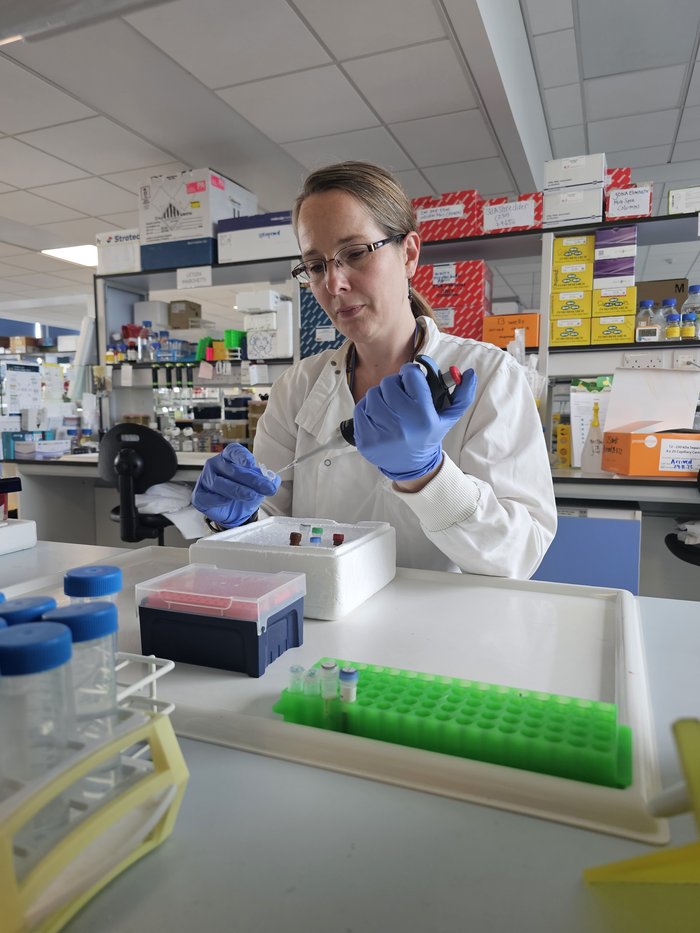
Dr Lisa Russell working in the lab
Project information
- Lead researcher
Dr Lisa Russell, Newcastle University
- Research team
-
- A team at Newcastle University
- Related conditions
-
- Acute lymphoblastic leukaemia (ALL)
- Research type
-
- Non-clinical
- Region
-
- North East
- Grant awarded
-
- Project Grant
- Status
- Ongoing
- Funding award date
- Amount awarded
£298,060
The challenge
Acute lymphoblastic leukaemia (ALL) is a type of blood cancer that affects the blood and bone marrow (the spongey material inside our bones).
Children with ALL produce too many white blood cells called lymphoblasts, which crowd out normal blood cells. This leads to symptoms such as fatigue, frequent infections and easy bruising or bleeding.
All of the cells inside our bodies contain genes, which are like tiny instruction manuals telling the cells how they should grow, develop and function. Genes need instructions to know when to turn on and when to turn off, and this is carefully controlled.
When carefully controlled, cells stay nice and healthy and behave as they should, but sometimes things can go wrong. Genes can be turned on or off when they shouldn't be, meaning they don't behave as they should.
It's this process that causes a healthy cell to turn cancerous.
The project
In this project, Dr Russel and her team want to understand more about how ALL develops by looking at specific genes known to be involved in the development of the disease.
They think the way these genes behave is incorrect, which causes a cascade of events that leads to cancer cells developing and growing.
Dr Russell wants to understand the exact steps that causes this “domino effect" and test different drugs to see whether they can stop this from happening.
The future
The hope is that one of these drugs could specifically target the cancer cells, slowing down their growth or destroying them altogether. This could mean a future where we have more targeted drug treatments with fewer side-effects, improving the lives of children affected by this type of blood cancer.
Find out more
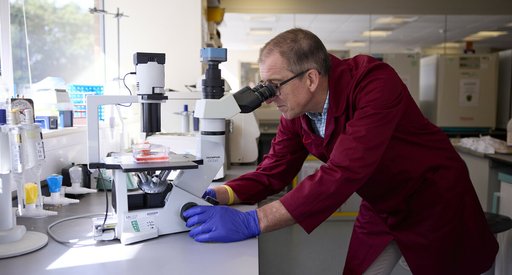
Our research
Thanks to our blood cancer community, we've invested over £500 million into research since 1960. Our discoveries have led to better and kinder treatments, and transformed lives.
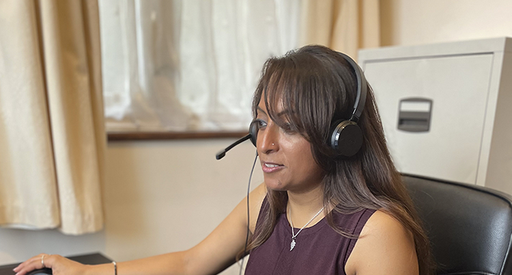
Support for you
Get free support from our specialist nurses, join our online community and access information you can trust.
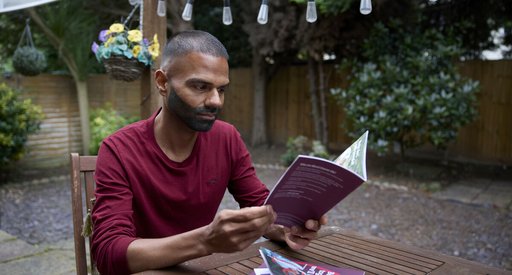
Blood cancer types
Understand all the different types of blood cancer and find information and support.
Clinical trials
Clinical trials are how new treatments are developed and improved. Find information and support at every stage of your journey.