£

Many people with acute myeloid leukaemia (AML) are treated with targeted therapies such chemotherapy, but these treatments don’t always work, and many people see their cancer come back.

Dr Singh is studying a group of proteins to understand more about why drugs stop working.

Project information

Lead researcher

Dr Shuchi Agrawal Singh, Imperial College London

Research team
  • A team at Imperial College London
Related conditions
  • Acute myeloid leukaemia (AML)
Research type
  • Non-clinical
Region
  • London
Grant awarded
  • Innovative Pilot Grant
Status
Ongoing
Funding award date
September 2025
Amount awarded

£29,996.18

The challenge

AML is a fast-growing type of blood cancer that is hard to treat.

Many people with AML are treated with targeted therapies such chemotherapy, but these treatments don’t always work, and many people see their cancer come back.

There are a group of proteins called polycomb proteins that researchers believe play a key role in role in how AML develops, spreads and responds to treatment. These proteins help to fold and pack DNA – the instruction manuals for our body’s - neatly inside cells and are responsible for turning specific genes on or off.

The project

In this project, Dr Singh and her team at Imperial College London want to understand more about these proteins and how they contribute to AML recurring after treatment.

Dr Singh believes the leukaemia cells stop responding to treatments because structural changes to polycomb proteins mean they don’t pack and control the genes properly. This means genes are switched on or off when then shouldn’t be which causes the leukaemia cells to grow and multiply.

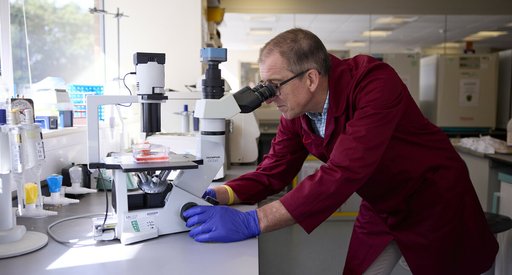
Using specialised microscopes and techniques in the lab, the team will study how DNA is folded and packed in cells so they can see differences in leukaemia cells that are responding to treatment compared to those that aren’t.

They will also look at which genes are turned on or off in cells where DNA isn’t wrapped up correctly, comparing it to those where it is.

Finally, they will see if they can find drugs that could help these proteins to work properly again.

The future

This research could help us to understand more about what causes drugs to stop working, allowing AML to come back.

The hope is that this new understanding of the role of polycomb proteins will help to find new way to kill leukaemia cells and prevent them returning.

This could lead to new and better treatments for AML in the future.

Help us beat blood cancer by funding a research project

  • £15 could help eight people newly diagnosed with blood cancer understand their condition.
  • £30 could help researchers study blood cancer cells to develop new treatments and improve early diagnosis.
  • £50 could help scientists identify genetic patterns in tumour samples to better understand how genes contribute to the development of blood cancer.
Donate