
Understanding why some people with myeloma develop low white blood cell counts during treatment
Lenalidomide is an important drug used to treat myeloma, but it can cause a side effect where white blood cell counts drop too low. Dr Sina Beer and Professor Martin Kaiser want to understand why this happens in some people and not others to help doctors predict and prevent this side effect.
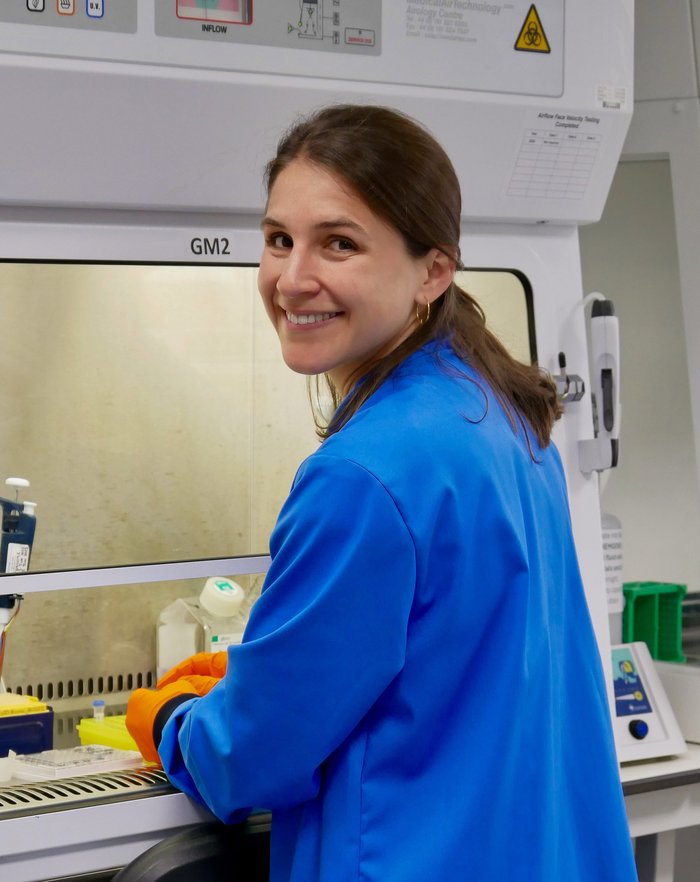
Dr Sina Beer
Project information
- Lead researcher
Dr Sina Beer, Institute of Cancer Research
Professor Martin Kaiser, Institute of Cancer Research
- Research team
-
- Related conditions
-
- Myeloma
- Research type
-
- Non-clinical
- Region
-
- London
- Grant awarded
-
- Innovative Pilot Grant
- Status
- Ongoing
- Funding award date
- May 2026
- Amount awarded
£27,871
- Project completion date
- April 2027
The challenge
Lenalidomide is a standard treatment for myeloma that helps many people live longer. However, it frequently causes a side effect where the number of white blood cells in the body becomes too low. White blood cells help our bodies to fight infection, so when levels drop people are more likely to become seriously ill. This can mean doctors have to reduce the dose of lenalidomide or pause treatment altogether, which can affect how well the drug works. At present, doctors cannot tell in advance which people are likely to develop this problem. Understanding why this happens in some people and not others is important, as it could help doctors personalise treatment and keep patients safer.
The project
Dr Beer and Professor Kaiser have already found that some people inherit small differences in specific genes that appear to increase the risk of developing this side effect during lenalidomide treatment. This gene is known to play a role in controlling how blood cells develop, and they believe it may also influence how white blood cells are affected by the drug. In this project, they will study blood stem cells in the lab, looking at how this gene controls the way white blood cells grow and develop, and what happens to this process when lenalidomide is introduced. By understanding this, they hope to explain why some people's white blood cell counts drop so significantly during treatment.
The future
If successful, this research could help doctors identify those who are most at risk of developing this side effect. This would allow those most at risk to be identified and monitored more closely or offered an adjusted treatment plan. In the longer term, this knowledge could also help in the development of safer treatments for myeloma that are less likely to cause this harmful side effect.

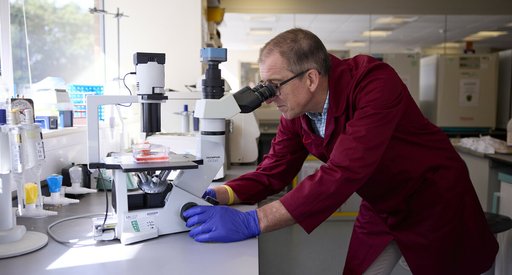
Professor Martin Kaiser
Find out more
Our research
Thanks to our blood cancer community, we've invested over £500 million into research since 1960. Our discoveries have led to better and kinder treatments, and transformed lives.

Support for you
We’re here for anyone worried about or affected by blood cancer. Call our free blood cancer support line, email us or join our online community.

Blood cancer types
Understand all the different types of blood cancer and find information and support.

Clinical Trials Support Service
Find out how our Clinical Trials Support Service can help you.