
Understanding why the immune system can go into overdrive in blood cancer
Haemophagocytic lymphohistiocytosis (HLH) is a rare but life-threatening condition that can develop in some people with blood cancer, where the immune system becomes dangerously overactive. Dr Beth Payne wants to understand why this happens and identify new ways to predict, prevent and treat this condition.
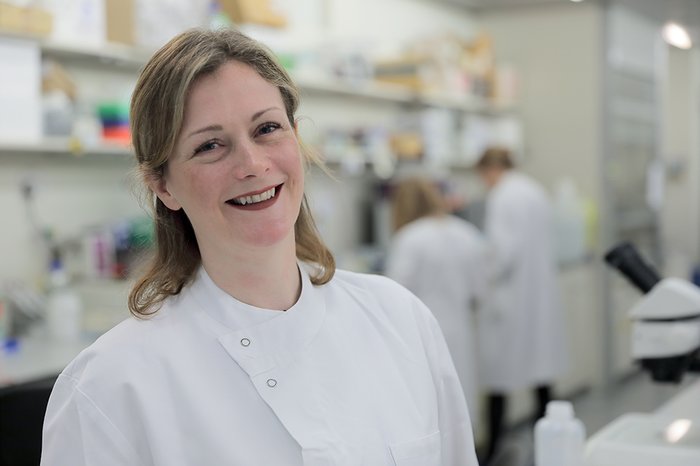
Dr Beth Payne
Project information
- Lead researcher
Dr Beth Payne, University College London
- Research team
-
- Related conditions
-
- Root condition
- Research type
-
- Non-clinical
- Region
-
- London
- Grant awarded
-
- Innovative Pilot Grant
- Status
- Ongoing
- Funding award date
- December 2026
- Amount awarded
£30,000
- Project completion date
- November 2027
The challenge
Our immune system works to fight infection and keep us healthy. In some people with blood cancer, the immune system can become dangerously overactive, causing a condition called haemophagocytic lymphohistiocytosis (HLH). When this happens, immune cells fail to switch off properly, triggering a serious inflammatory response that can affect vital organs. Very little is understood about HLH and why it develops in some people with blood cancer and not others. Understanding what goes wrong in the bone marrow when HLH develops could help doctors better predict and treat this condition.
The project
In this project, Dr Payne and her team will examine bone marrow samples from people with blood cancer who have developed HLH. Using a new specialised technology, they will be able to see where different cells are located within the bone marrow and how they interact with each other. This is particularly important for studying HLH, as the immune cells involved are difficult to identify. The team will look at samples taken at different stages of the disease, comparing bone marrow from when patients were first diagnosed with blood cancer to samples taken later when HLH developed. This will help them identify early warning signs and understand what triggers the immune system to become overactive. They will also look for new markers in the bone marrow that could help doctors identify patients at risk before they become seriously ill.
The future
If successful, this research could help doctors identify people with blood cancer who are at risk of developing HLH at an earlier stage, allowing for faster treatment and better outcomes. In the longer term, a better understanding of what causes HLH could lead to new treatments specifically designed to prevent or manage this dangerous condition, benefiting people across a range of blood cancers.
Find out more
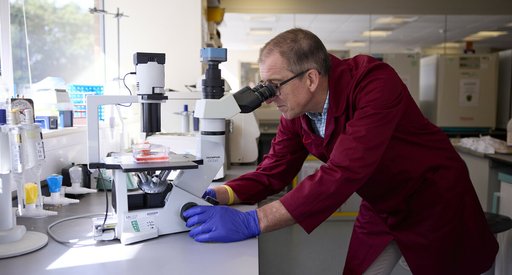
Our research
Thanks to our blood cancer community, we've invested over £500 million into research since 1960. Our discoveries have led to better and kinder treatments, and transformed lives.

Support for you
We’re here for anyone worried about or affected by blood cancer. Call our free blood cancer support line, email us or join our online community.

Blood cancer types
Understand all the different types of blood cancer and find information and support.

Clinical Trials Support Service
Find out how our Clinical Trials Support Service can help you.