
Using NHS Data to Improve treatment for people with myeloma
Understanding the long-term risks and benefits of clinical trials can be time-consuming, expensive, and challenging for everyone involved, yet much of this data is already collected in the NHS’s electronic health records. Professor Cairns wants to find a way to use this data to better understand how well treatments work in the long-term.

Professor David Cairns, University of Leeds
Project information
- Lead researcher
Professor David Cairns, University of Leeds
- Research team
-
- A team at University of Leeds
- Related conditions
-
- Myeloma
- Research type
-
- Clinical
- Region
-
- North West
- Grant awarded
-
- Transformational Research Award
- Status
- Ongoing
- Funding award date
- May 2025
- Amount awarded
£911,434.33
The challenge
Around 5,000 people in the UK are diagnosed with myeloma each year and up to 20% of these people participate in clinical trials to test new treatments.
Clinical trials are essential for finding better ways to treat myeloma, but they often require years of data collection before, during and after the trial to understand how well a treatment is working and to check for any unwanted or harmful effects it might cause.
Following up with people after the trial to understand the long-term risks and benefits can be time-consuming, expensive, and challenging for everyone involved. At the same time, much of the data needed for long-term follow-up is already collected in the NHS’s electronic health records.
However, this data isn’t currently used for clinical trials because researchers need to confirm it's accurate and suitable. Finding a way to use this existing data could make it much easier to understand how well treatments work and reduce the burden on people with blood cancer, doctors, researchers, and the NHS.
The project
In this project, Professor Cairns and his team will focus on myeloma trials to test this new approach to follow up people who have taken part in a clinical trial. They plan to link the data from 15 myeloma clinical trials with NHS electronic health records to see if the data is accurate and useful for research. They'll use this data to answer important questions such as understanding more about how well treatments work in the long-term.
The future
If successful, this project could revolutionise how clinical trial data is collected and used. This approach could make it easier to follow up people who have taken part in a clinical trial.
It would also free up resources for more trials and enable researchers to answer important questions faster. This means faster progress in finding new, effective treatments and better outcomes for people with myeloma.
Find out more
Our research
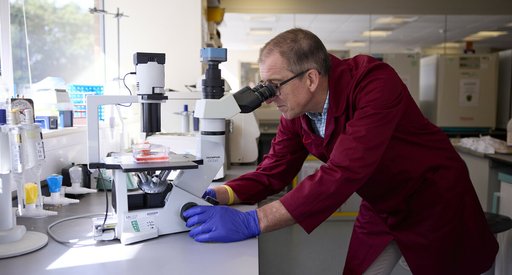
Thanks to our blood cancer community, we've invested over £500 million into research since 1960. Our discoveries have led to better and kinder treatments, and transformed lives.
Support for you
Get free support from our specialist nurses, join our online community and access information you can trust.
Blood cancer types
Understand all the different types of blood cancer and find information and support.
Clinical trials
Clinical trials are how new treatments are developed and improved. Find information and support at every stage of your journey.