
What to expect on a clinical trial
Find out what taking part in a clinical trial really involves.
We provide you with honest answers to practical questions and first-hand accounts from people who've been there.
How a clinical trial might change your life
Each clinical trial is different, and you will be told what to expect if you are interested in enrolling on a particular trial. The impact on your life will also depend on the type of blood cancer you have, how advanced it is, and the type of treatment you need.
Some people may only have to take a tablet daily, and might feel well enough to live their normal life. Others may need to have more intense treatment, such as chemotherapy.
You may experience some side effects of the treatment you’re on, or you may not – this can influence how you feel and how much you can manage.
If you’re worried about working, studying or caring for dependents whilst being on a clinical trial, speak to your doctor in the first instance. We also have more information and support about managing your money, living well with blood cancer and helping your family and friends.
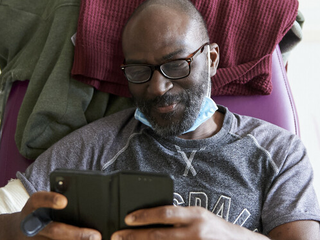
Ask the blood cancer community about clinical trials
Connect with people who've been through a clinical trial themselves, or who are thinking about taking part, on our online community forum.
What time commitment to expect
If you are accepted onto a clinical trial, you’ll be monitored regularly during the trial and maybe after it ends as well. This could mean you’ll need to go to hospital or a clinic more often than you would normally.
It’s worth asking your hospital team or the trials team, how regularly you’ll need to attend appointments, so you can consider how convenient this will be for you.
You might need to think about:
- how you’ll travel to the hospital, and how much this will cost
- whether you’ll need any extra support, for example with childcare
- your mental and physical health, and how you’ll manage any symptoms or side effects
- changing how you usually work or study.
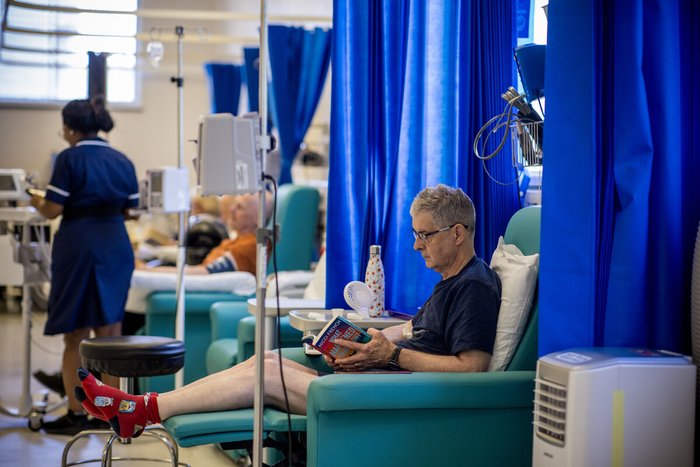
Costs, expenses and payment
There is no payment or fee required to join a clinical trial in the UK. You also will not get paid for enrolling on a clinical trial, although some trial organisers may refund your expenses for things like transport to the hospital for tests and appointments.
It would be unethical for scientists or researchers to take money from or give money to people with cancer who need ongoing treatment for their disease.
We have more information about help with costs and working with blood cancer. Some clinical trials will offer to pay for any travel expenses – have a look at your patient information sheet, or ask the trials team if it’s unclear.
What tests and monitoring to expect
If you take part in a clinical trial, you’ll be tested regularly to monitor the treatment and how well it’s working.
Most people on a clinical trial will need to have regular blood tests. Some people may also need extra tests (like bone marrow testing) or scans (like CT or MRI scans). This depends on the type of blood cancer you have and the treatment offered on the trial.
It’s likely that you’ll need to have your tests or scans at the trial site, but it may be possible to have some or all of them at your usual hospital. Check with the trial researchers if you’re unsure.
Lots of people say that having regular tests or scans during a trial is reassuring, as it provides peace of mind.
However, it’s worth thinking about the time commitment involved, and if you think you’ll need any additional support. Don’t be afraid to ask your doctor or the trial team what tests you’ll need, how often you’ll need them, and where you’ll need to go. They should also be able to tell you how you’ll get your results, and what to expect from them.
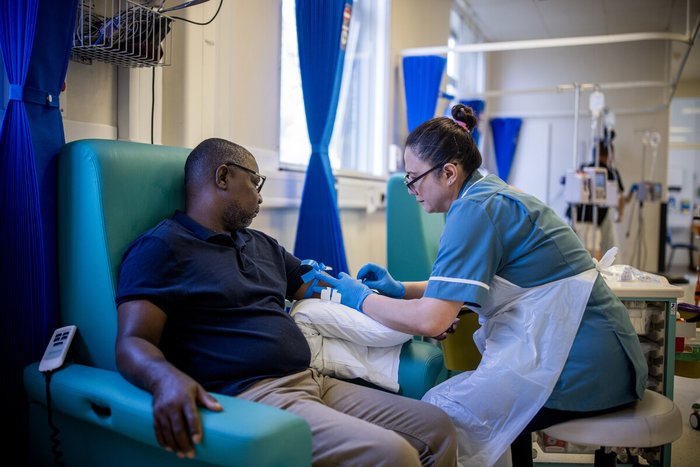
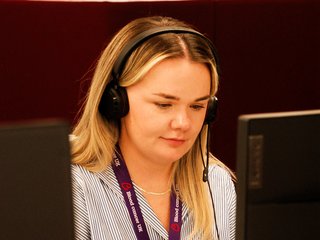
Clinical trials navigation service
If you're ready to talk about trials, a specialist clinical trials nurse can help. They can explain information you've received, and answer questions, or search for relevant UK trials, providing a plain-language summary to discuss with your doctor.
How a trial might affect your prognosis
Everyone is different and responds to treatment differently. This is true whether the treatment you are receiving is part of a clinical trial or not.
Although the researchers in charge of a trial hope that a drug or treatment will behave in a certain way, they cannot guarantee it will work exactly the same for everybody. This is partially what a clinical trial is testing.
Your prognosis is personal to you, and your doctor will be able to tell you more about what you can expect. Generally speaking, how you respond to a drug or treatment depends on lots of things, including:
- your age
- your general health
- the type of blood cancer you have
- how advanced the blood cancer is
- any treatment you’ve had before
- genetic markers or mutations specific to you, which can influence how a treatment works.
If you find that a new drug or treatment doesn’t work for you, it can be hard to understand and accept.
Let your hospital team or the trials team know about any worries or concerns that you have. They will be able to support you at every stage of the trial, including leaving a trial if things don’t work out as hoped.
You can also speak to us, or join our community forum to connect with people in a similar situation.
Leaving a trial
Being on a clinical trial is a positive experience for most people, but if you change your mind after being accepted or don’t want to stay on a trial after enrolling, you can leave at any time.
Your doctor will explain what leaving a trial could mean for you, your treatment and your prognosis, so you can make an informed decision. Usually, you’ll have to stop taking the treatment offered on the trial if you leave, but you may be able to swap to an alternative standard treatment if there is one that is safe and suitable for you.
If you leave or say no to a trial, your doctor shouldn’t judge you or treat you any differently to anyone else.
If you're taking part in a clinical trial
Everything you need once you've decided to take part, from what to expect day-to-day, to stories from people who've gone through it.