I’ve got MDS but I don’t need treatment yet
Liesl was diagnosed with myelodysplastic syndrome (MDS) while training for a marathon. She reflects on the first two months since her diagnosis and the weight of the word cancer.
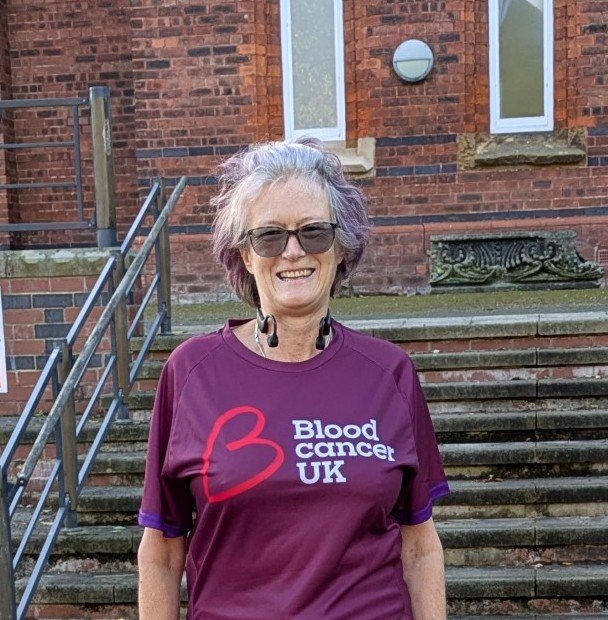
I was 59, just retired and training for a marathon when I started to feel more and more tired. I initially blamed it on my age and training too hard. I was also getting night sweats, but I thought they were due to menopause. Then walking up hills got hard. I would be huffing and puffing and needing to rest on walks that previously I found easy.
Getting a diagnosis
I went to my GP and a blood test showed I was anaemic. They didn’t think it was anything serious but just in case they referred me to haematology. I had more tests and everybody kept saying they were just ruling things out. They didn’t think it was anything serious. They didn’t think it was cancer. So, I didn’t worry about it and I didn’t ask my husband to come with me to get my results.
The doctor told me that the bone marrow biopsy results showed I had a condition called myelodysplastic syndrome (MDS). I had never heard of it, but it was when they used the word cancer that I felt scared.
The doctors got the bone marrow biopsy back and they said it was MDS. I was like, oh, something I'd never heard of. And then the word cancer is just terrifying. I mean, I was so not prepared for it.
The doctor explained that it was a slow growing cancer and that I would be put on the watch and wait pathway, also called active monitoring. This means that the cancer is not currently being treated but I have regular check-ups and blood tests. And if anything changes, I may need treatment in the future. This took me a while to get my head around as I had thought that if you diagnose cancer early you would want to treat it. However, because it’s a slow growing cancer the treatment could have more side effects than living with MDS. I was given the nurse’s contact number so I could ask them questions at any point, and they have already been a great help.
I think it's just getting my head around the fact that any treatment at the moment is going to be worse for me than just carrying on as I am. If there's any change, then they'll look into future treatments.
It took me a few weeks to get my head around the diagnosis. And it has been hard telling people I have cancer. When I explain that MDS is a condition where my bone marrow does not work as it should, people are fine with it. But if I add that it’s a type of blood cancer people get upset. It’s not a surprise. It is a scary word. But now that I know more about MDS, it’s not as scary as it first was.
Living with MDS
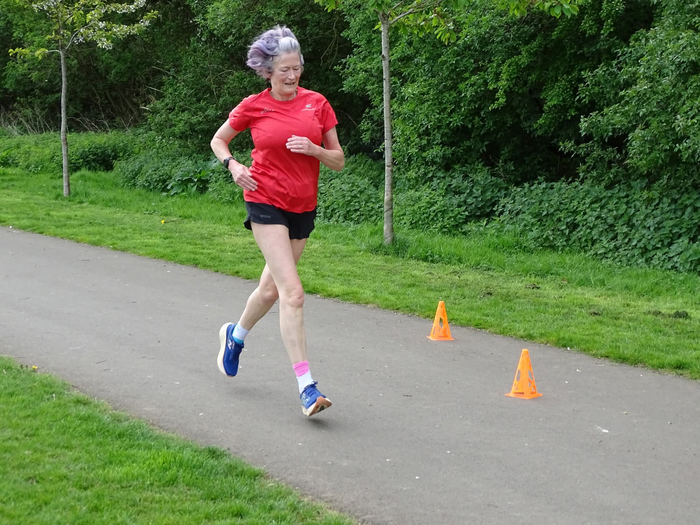
Life has changed a little since my diagnosis. I’m still doing Parkrun and I’ve actually ordered a Blood Cancer UK running top. At the moment I don’t feel up to doing a marathon, although my doctor thinks I can get back to it at some point. Running is something I love and as I can’t do as much of it, I’m also looking at different sports I can do. I also recognise that sometimes I need to rest and that’s okay. I’m still going on holiday and enjoying my retirement, and it fits around my hospital appointments.
I’ve also connected with people on the Blood Cancer UK forum and taken part in Blood Cancer Awareness Month. My daughters are also encouraging all their friends to sign up to the stem cell transplant register as this is something I may need in the future.
It's a case of adapting your life. So I allow myself to be tired now, whereas before I was trying to push through it, thinking there wasn't an excuse. I think I'm a little bit kinder to myself now.
My advice to other people recently diagnosed with MDS, is it can take some time to process it all. Not just for you, but for your friends and family. And that’s okay. There will be ups and downs, and there will be scary bits, but you can still do the things that are important to you.

Ask the blood cancer community
Join our online forum to chat with people who know how you feel. Or post a question for our blood cancer nurses.