
Living with T-cell lymphoma
A blood cancer diagnosis can affect your life in many ways: your mental health, your financial situation, your family and friends.
Helpful information
You may find it helpful to read our information on these topics:
- what to expect when you are newly diagnosed
- mind and emotions, including self-help tips and accessing counselling
- money, work and other practical advice
- guidance on eating well with blood cancer
- the benefits of keeping active
- support for family and friends
- vital information about your risk of infection.
We also have a booklet called Your blood cancer diagnosis: what happens now? which is free to order. This was written with people affected by blood cancer to give you a realistic picture of what happens after your diagnosis.
If you are in your teens or 20s, you may want to read our information for young adults with blood cancer.
If you have been diagnosed with a skin (cutaneous) T-cell lymphoma such as Sezary syndrome or mycosis fungoides, visit Lymphoma Action.
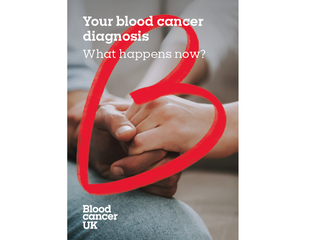
Your blood cancer diagnosis booklet
Read our booklet written with people affected by blood cancer for key information, tips and places to get support.
Other ways we can help
You can call our Support Line free on 0808 2080 888 to talk to our nurses about anything that’s worrying you or you’re not sure about. They can help you build a relationship with your hospital team, including talking through what questions to ask.
If you’ve just been diagnosed, you can sign up for weekly support emails for practical tips and advice from other people with blood cancer.
If you’d like to hear directly from other people with blood cancer, look at our online community forum. You don’t have to join in the conversation if you’re not ready. You can just read and learn from other people’s experiences.
Your mental health
It’s normal to have down days after a blood cancer diagnosis. But if you are feeling generally low, talk to your hospital team or GP. They may be able to get you professional help. Or if you prefer, there are self-help tips you can try.
Find out more about support for your mental health.
Telling other people
You may feel that you want to keep your diagnosis private, but a lot of people find it helpful to share their news, even if it's a hard conversation to have. It helps to have people around you who can support you practically or emotionally, depending on what you need.
If you are working, talk to your employer as soon as possible. They will have to consider “reasonable adjustments” to help you work, such as time off for appointments or changing your hours.
Some conversations about your diagnosis will be more difficult than others. If you’re worried about how a conversation might go, our Support Service nurses can help you plan what to say and talk through how to deal with different people’s reactions.
Things that can help:
- Bring a loved one to your appointments, or take along the questions they want to ask.
- Direct them to our website for accurate information, especially our information for family and friends.
- Suggest they join our online community forum. There are lots of family members and friends on there as well as people living with blood cancer.

Join our Involvement Network
When you sign up, we will get in touch with opportunities to share your views and lived experience of blood cancer to help shape our current projects across the organisation. We'll work with you to find the opportunity that best matches you.
More About This