Blood cancer experts issue warning around missing data in Wales, which is the only UK-nation without a national cancer plan in development
Wales
Blood Cancer UK’s new manifesto for Wales, launched ahead of the 2026 Senedd elections, warns that Wales is the only UK nation without a government-led cancer plan in existence or development. This risks thousands of people affected by blood cancer being left behind when it comes to diagnosis, treatment and ultimately survival.
“Blood cancer data in Wales is extremely poor and this compromises patient care on a daily basis.
- Dr Ceri Bygrave, consultant haemotologist
Blood cancer includes leukaemia, lymphoma, myeloma, MDS and MPNs and is Wales’ third biggest cancer killer. Blood Cancer UK commissioned research that now shows that 75,000 potential years of life in Wales has been lost to blood cancer over a decade.
So, what does the data show?
The available data shows that every year, around 1,400 people in Wales are diagnosed and around 670 die from the disease. But Blood Cancer UK, along with other healthcare experts warns this could be an underestimate, due to deep concerns about the quality and completeness of the national blood cancer data.
Blood cancer expert issues warning
Ceri Bygrave, Consultant Haematologist and Myeloma Lead at University Hospital of Wales, Cardiff, said:
“Blood cancer data in Wales is extremely poor and this compromises patient care on a daily basis. We don’t have access to the most basic metrics such as incidence and survival for our patients due to lack of investment and poor IT infrastructure. Too often, blood cancer data gets lost in the system, this is due to the complexity of blood cancer, inadequate data infrastructure and a high turnover of expert data entry staff. Many hospitals in England have been fully electronic and essentially paperless for several years, without the same level of investment in Wales.
“Clinicians and patients alike are frustrated with the current lack of data provision and are concerned that it could be misrepresenting the blood cancer community in Wales when decisions are made about new treatments and the workforce. We want to see urgent engagement and investment to deliver solutions.”
For patients, these failings have real consequences
Nicola Bertorelli, 57, from Bridgend, first found a lump in October 2023.
I don’t want to become one of those statistics.
- Nicola Bertorelli
After months of tests, scans and appointments, she was diagnosed in 2024 with stage 3 non-Hodgkin follicular lymphoma and placed on ‘watch and wait’.
What Nicola had to say
“It always seems like Wales is the last to produce, the last to act, and that’s just not acceptable. The longer the Welsh Government delays, the more people are diagnosed, and the more people die.
“People deserve to be diagnosed quickly and seen by the right specialists – but without proper data and a proper plan, that isn’t happening. The treatments are there, the money is there, so why isn’t the Welsh Government stepping up and making a difference?
“I don’t want to become one of those statistics. I’m staying positive, keeping active, going to the gym – maybe I’m one of the lucky ones right now. But this has made me even more determined to stand up and say that Wales deserves better. We all do.”
Our CEO's view
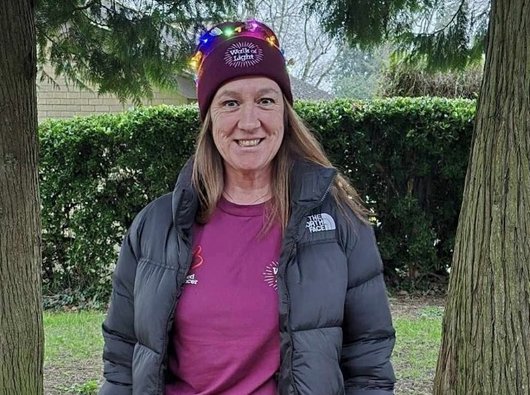
Helen Rowntree, Chief Executive of Blood Cancer UK, said:
“Anyone living with a blood cancer in Wales, knows what leukaemia, lymphoma and myeloma takes, and at Blood Cancer UK we are clear on what it takes to beat it. Scotland and Northern Ireland have clear strategies in place and England has one in development but people in Wales are still waiting for the Government to commit to any plan.
“With this manifesto, we’re calling on the next Welsh Government, to deliver a long-term Cancer Strategy that finally recognises blood cancer. It must fix the workforce crisis in haematology, improve data collection, ensure faster and fairer diagnosis, and make sure everyone in Wales can access the latest clinical trials and life-saving treatments. Without reliable data, people are being let down, and lives are being lost - we have the research capability, the clinical expertise and the innovation but we need leadership to bring it all together.”
Want to get involved?
If you’re affected by blood cancer and want to support the development of our policy work where you live, we’d encourage you to join our Policy Collective via our Involvement Network and sign up to our newsletter to keep in touch with our work.