Research makes moments possible
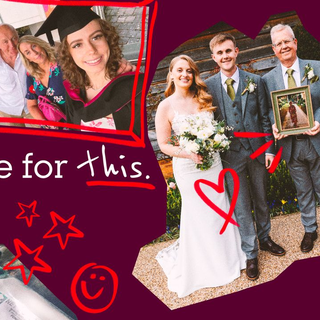
Blood cancer changes everything. But research gives people the chance to be here for the moments that matter most.
Professor Rob Wynn
When even ordinary moments feel uncertain
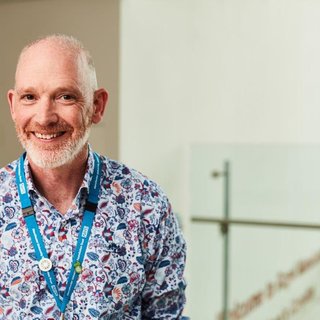
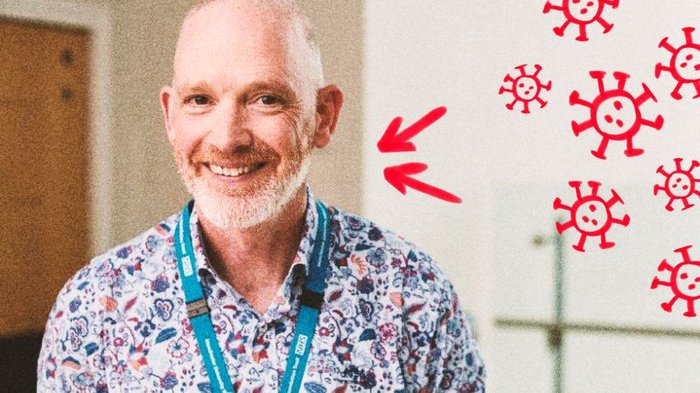
I'm Professor Rob Wynn, I’m a bone marrow transplant consultant. I look after children and young people with leukaemia. I've been doing this job a long time, having been a doctor now for nearly 40 years.
When a child is diagnosed with blood cancer, ordinary moments stop feeling certain. Birthdays, first days at school days, days out with friends, the ordinary things the rest of us expect to happen suddenly aren’t guaranteed anymore. I often meet children and their families that can no longer take these moments for granted.
A patient I won't forget
One of my patients had acute myeloid leukaemia (AML), a type of blood cancer that is particularly hard to treat. Their leukaemia came back even after a bone marrow transplant.
We gave them a second transplant — this time using stem cells from umbilical cord blood. We strengthened the immune response of this umbilical cord blood so it could recognise and destroy the leukaemia more effectively.
The patient is now not only in remission, they’re a teenager, they have a dog, they’re getting on with their life. They don't need to think about blood counts or side effects anymore. They don’t have to worry about their treatment not working. I don't need to see them in clinic and that's the best outcome I can ever hope for.
The best thing about our work is that patients never have to see us again. Because they're cured.
What our research has shown
We’ve looked at outcomes for children across the UK who had a bone marrow transplant for leukaemia. Among children with the highest-risk disease, those who had an umbilical cord blood transplant were up to five times more likely to be cured than those who had a transplant from another donor source.
Umbilical cord blood works because the donor's immune cells are especially effective at recognising and destroying blood cancer cells. We now want to understand exactly what the immune system is recognising, so we can make this immune effect even stronger.
This research is relevant to hundreds and thousands of children across the world.
The same principles are helping us understand how the immune system can be used against all blood cancers and against other cancers in both adults and children.
'Most’ is not enough
There are now over 300,000 people living with, or in remission from blood cancer in the UK. Research like ours has transformed outcomes for many of them, but too many people still face an uncertain future.
Most children treated for leukaemia are cured today. That's worth saying out loud, because as researchers we focus on what we haven't achieved rather than what we have.
But curing 'most’ children is not enough. We need to make sure that we can cure all children with this devastating disease.
Research helps make more moments possible
Research is helping more people with blood cancer be here for life's important moments. It's how we make treatments better and safer. It is how more children get to leave hospital, go home, and get on with their lives. But until every child has that chance, we're not done. Every child we’ve not yet cured is a reminder that our work is not finished.
Our goal is simple, we want every child with blood cancer to have the chance to be here for the moments that matter.
With your support, we can fund research that gives more people with blood cancer the chance to be here for what matters most.