£

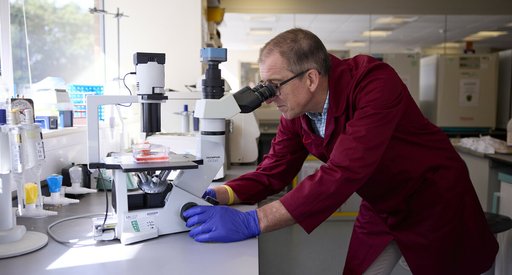
In this research project, Dr Hodson is looking for new ways to treat non-Hodgkin lymphoma.

Project information

Lead researcher

Dr Daniel Hodson, University of Cambridge

Research team
  • A team at University of Cambridge
Related conditions
  • Non-Hodgkin lymphoma
Research type
  • Non-clinical
Region
  • East Anglia
Grant awarded
  • Project Grant
Status
Completed
Funding award date
November 2022
Amount awarded

£250,000

Project completion date
October 2025

The challenge

People who are diagnosed with non-Hodgkin lymphoma often receive a combination of chemotherapy and immunotherapy to try and treat their blood cancer.

However, this treatment can cause serious and sometimes long-term side effects for people, and this is because the treatment affects all of the cells in our body, not just the cancerous ones.

The project

Dr Hodson and his team want to find new ways to treat non-Hodgkin lymphoma.

They want to find specific targets on the cancer cells that treatment could be aimed at. This would mean treatment could be directed at cancer cells rather than affecting cells elsewhere in the body.

Being able to design new targeted drugs for lymphoma that are more effective and less toxic than existing chemotherapy approaches, will directly benefit patients.

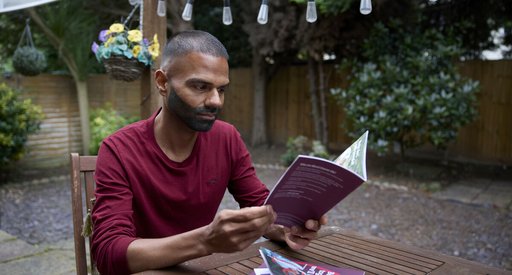
- Patient Voice Grant Advisory Network Member, in remission from Hodgkin lymphoma.

The future

In this project, Dr Hodson and his team want to find new ways to treat non-Hodgkin lymphoma. They want to find specific targets on the cancer cells that treatment could be aimed at. This would mean treatment could be directed at cancer cells rather than affecting cells elsewhere in the body.

Help us beat blood cancer by funding a research project

  • Could help eight people newly diagnosed with blood cancer understand their condition.
  • Could help researchers study blood cancer cells to develop new treatments and improve early diagnosis.
  • Could help scientists identify genetic patterns in tumour samples to better understand how genes contribute to the development of blood cancer.
Donate