
Benefits and risks of taking part in a clinical trial
Clinical trials have benefits and risks. We explain both honestly so you can make an informed choice.
Deciding whether to take part in a clinical trial is a personal choice, and it helps to understand both sides.
Why you can trust clinical trials
Watch Lymphoma Pharmacist Asjad Yousif and Precious Jason speak about how we can rebuild trust in clinical trials amongst Black, Pakistani and other minoritised communities.
Visit our YouTube playlist to watch "Building trust in clinical trials" with Urdu subtitles.
Benefits of taking part in a clinical trial
Below, we set out the potential benefits alongside the risks, so you have the full picture before you decide.
Access to new treatments
Taking part in a blood cancer clinical trial has many advantages, including the opportunity to have the newest available treatment for your disease. This may not be offered outside of the trial, or it may not yet be available through the NHS in your region.
If you have tried other treatment options that haven’t worked, a clinical trial could provide the chance to try something new.
Close monitoring
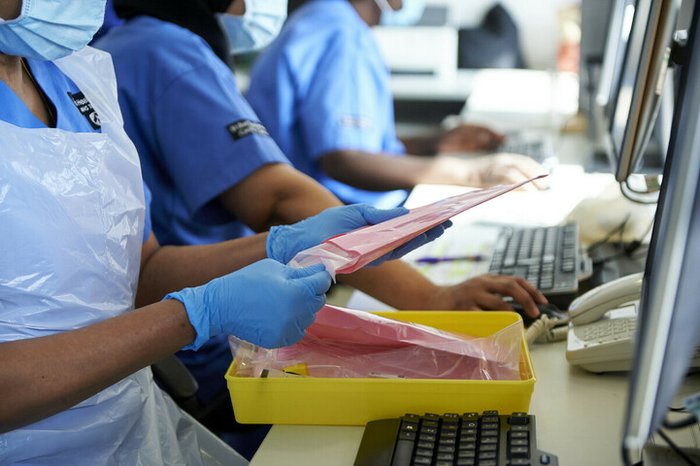
Everyone who enrols on a clinical trial is closely monitored, and lots of people say that they find this reassuring as they get to speak to a doctor more frequently.
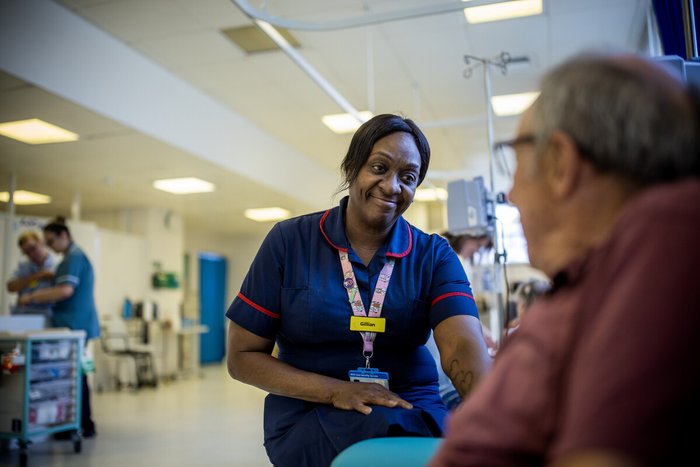
A consistent team who know you
Many people are reassured by the fact that they'll see the same doctors, researchers and nurses on a trial.
“I found that on my trial, I had a dedicated smaller team headed up by a consultant, and I had more access to that person. Whereas when I had standard treatment there was a bigger team, I was seeing different people all the time who had to get to know me
- Michelle, tells us about her experience being treated on a myeloma clinical trial.
Specialist support throughout
An expert team of researchers and specialist staff will be involved in every trial, and they will be happy to discuss any questions or worries that you have. During a trial, you’re also likely to have contact with a clinical nurse specialist (CNS) or a research nurse. The CNS will provide you with ongoing information about the trial, and is there to support both you and your loved ones.
Feel more in control of your treatment
Many people say that enrolling on a clinical trial helps them to feel more in control of their diagnosis, as they are making informed choices about treatment and the future. On a blood cancer clinical trial, you may be able to have treatment that wouldn’t otherwise be available to you.
Knowing what to expect on a trial can also be helpful if you feel overwhelmed or confused about blood cancer.
Helping others
Even if a clinical trial doesn’t end up benefitting you directly, the information collected can play a very important role in finding and improving future treatments for blood cancer.
For some people, the thought of helping others – either now or in the future – can provide a sense of pride or motivation, and may help you to feel more positive about your own situation.
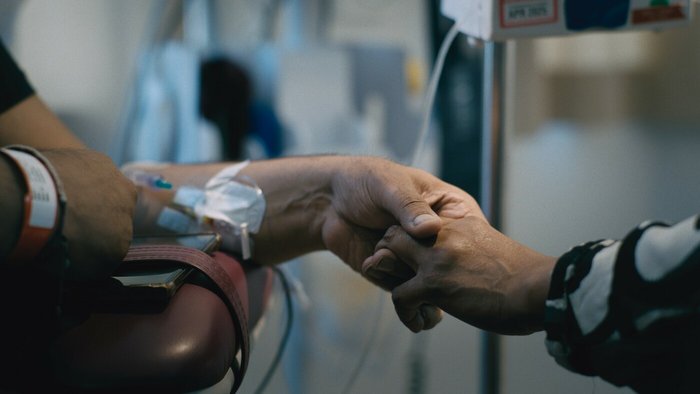
"It made a huge difference to my Mom when I told her how much trials helped others. She went from an immediate ‘no’ to a ‘maybe’. It’s important for her and her religion to support members of her community and give back."
- Rehab Asad, a community researcher
The risks of taking part in a clinical trial
For most people, the benefits of enrolling on a clinical trial will outweigh any risks.
However, it's important to consider what your personal risks may be, and ask your doctor about any worries or concerns you may have. This will ensure you get the best possible treatment for you and your situation.
Here are some things you might like to think about.
Time and travel costs
You will have to attend hospital or a clinic more often if you're on a clinical trial, which could cost time and money and make things like childcare more difficult to arrange. Some clinical trials will offer to pay for your travel expenses — you can ask the trial team if this will apply to your trial, or check any printed information you are given. If you need any information translated or explained, ask your hospital what support they can provide.
Anxiety and your mental health
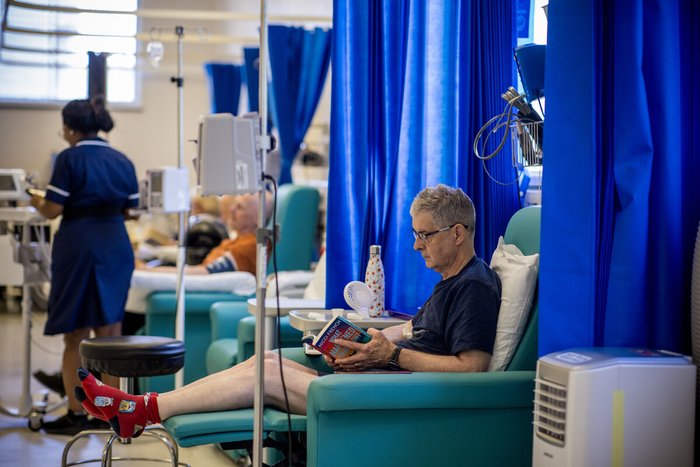
It's normal to be nervous about joining a clinical trial. For some people, these worries could develop into anxiety, which may impact your overall mental health.
It's important to reach out for support if you feel like you're struggling to cope with your worries, or if your anxiety is affecting your daily life and mood. You can ask your doctor or your GP to refer you for free counselling on the NHS — or, if you live in England, you can refer yourself online if you prefer. You may also like to ask a blood cancer nurse, or read our information about looking after your mind and emotions.
Dealing with a lot of information
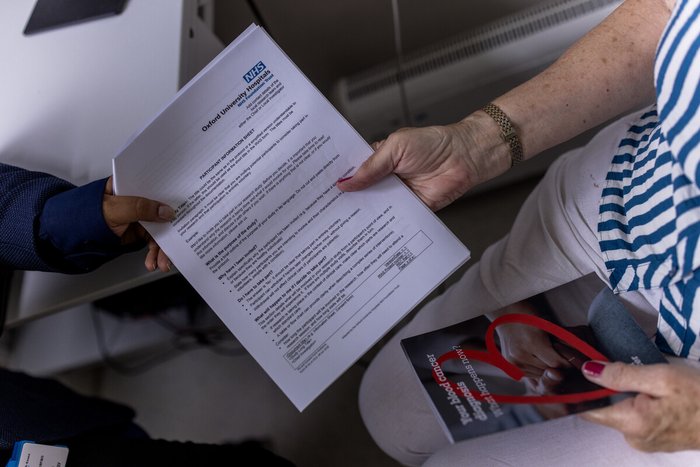
In order to make sure that you fully understand everything about a clinical trial before you consent to join, the trials team have to provide lots of information about the trial, including any potential side effects and alternative treatment options. Some people say they find this process overwhelming and difficult to understand, especially if English isn't their first language.
You may find it helpful to take someone to your appointments with you, or make notes to read and think about later. You can also ask your doctor and the trials team to explain something as many times as you need – don’t be afraid to tell them if you don’t understand what they’re saying. Your hospital may also be able to offer an interpreter, or provide translated information in your native language. Ask your doctor for more information about this.
Unknown side effects
As drugs and treatments in clinical trials are still in a testing phase, the trial team may not know what every potential side effect may be, or how side effects will affect you personally.
You and your treatment team will need to balance the possible benefits of being on a trial against the risks of short and longer-term side effects.
It can be alarming to read about side effects, but remember that everybody is different. You might not get any side effects at all, or you may decide that some side effects are worth it if it means that the treatment works.
The treatment may not work
Although doctors and trial team will hope that everyone on a clinical trial benefits from the drugs or treatment being tested, this cannot be guaranteed — that is why the trial is being done.
The treatment you have may be more effective than standard care, but it also may not work for you, even if it helps others.
This can be difficult to understand and deal with, and it's OK to ask for support if things don't work out as hoped. Speak to the trial researchers or your doctor, ask a blood cancer nurse. You can also ask the blood cancer community and connect with others in a similar situation who know what it feels like.

Clinical trials navigation service
If you're ready to talk about trials, a specialist clinical trials nurse can help. They can explain information you've received, and answer questions, or search for relevant UK trials, providing a plain-language summary to discuss with your doctor.
How a trial might affect your daily life
Each clinical trial is different, and you will be told what to expect if you are interested in enrolling on a particular trial. The impact on your life will also depend on the type of blood cancer you have, how advanced it is, and the type of treatment you need.
Some people may only have to take a tablet daily, and might feel well enough to live their normal life. Others may need more intense treatment, such as chemotherapy, and may experience side effects that affect how much they can manage day to day.
If you're worried about working, studying or caring for dependents whilst being on a clinical trial, speak to your doctor in the first instance.
We also have information and support to help you with managing your money, living well with blood cancer and supporting your family and friends.
Ask the blood cancer community about clinical trials
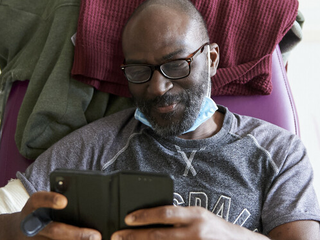
Connect with people who've been through a clinical trial themselves, or who are thinking about taking part, on our online community forum.
Questions to ask your doctor
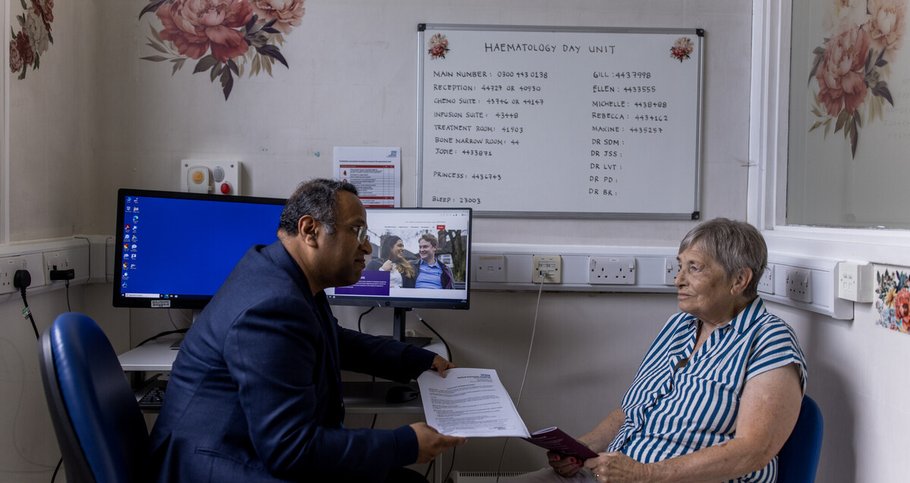
A list of questions you can take to your next appointment.