
How clinical trials are kept safe
It's natural to have fears about clinical trials. On this page we explain consent, data and how your safety is protected.
Lots of people say that one of the biggest worries about joining a clinical trial is being used as a “guinea pig”. The word “trial” can also be off-putting, as you may be concerned that doctors and researchers don’t know how safe a drug or treatment is before testing it.
Are clinical trials safe?
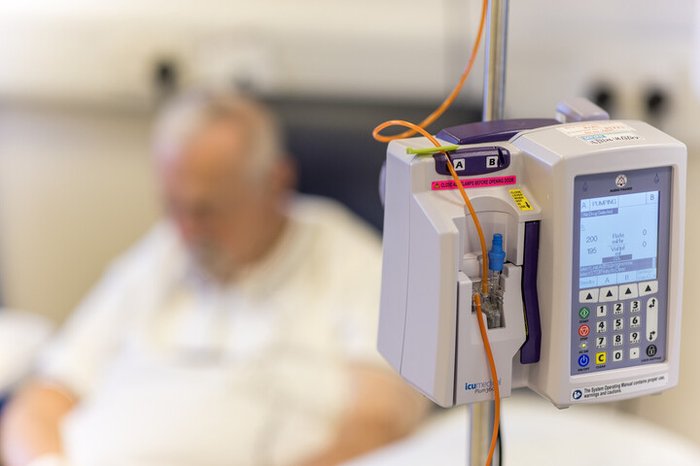
New drugs and blood cancer treatments are tested extensively in a laboratory before being given to humans, and there are strict regulations in place to make sure that a drug is safe before it reaches any phase of clinical trial.
It may also help to know that you will only be allowed to join a clinical trial if your doctor believes that the benefits outweigh any risks, and if you are a suitable candidate for the new treatment – this is called your eligibility.
We know that safety and honesty were not always prioritised in some clinical trials in the past, and that this has understandably led to mistrust or doubt amongst some communities. Thankfully, strict guidelines, rules and regulations are now in place to ensure clinical trials are safe and ethical for everyone involved. Trials in the UK today are closely monitored by the following groups:
Medicines and Healthcare products Regulatory Agency (MHRA)
The MHRA is a group of the Department of Health and Social Care , that makes sure the safety and quality of the treatment tested in a trial meets good practice standards.
There are strict rules in the UK to keep people safe and protect personal information, and studies involving medicines need extra checks from the MHRA.
Research ethics committees
Before any trial involving people can begin, it’s reviewed by an independent Research Ethics Committee (REC) to make sure it’s fair, respectful, and protects everyone taking part.
Research Ethics Committees are groups run by the NHS Health Research Authority. They are independent groups of people including doctors, nurses, other medical staff, members of the public and sometimes lawyers.
An Ethics Committee also makes sure that the information you are given tells you everything you need to know, and is easy to understand.
The Health Research Authority
The Health Research Authority (HRA) is a public body that protects and promotes the interests of patients and the public in health research, such as trials. Their involvement helps to ensure that all information about a trial is clear, that potential risks are spotted, and that the research meets real needs.
Clinical trial committees
These are national and local groups in your hospital or research centre that make sure that the trial is planned well and carried out safely.
They also check that the trial is based on scientific knowledge and follows national guidelines and safe practices.

Talking to friends and family about clinical trials
It’s common for your loved ones to have their own questions about a clinical trial. Sometimes, the information they have might be out of date or inaccurate, or they might be worried about your safety.
Some communities and cultures may be less familiar with clinical trials than others, and some people may even have had a bad experience on a clinical trial in the past. It’s understandable for people in this situation to be wary of trials and research.
It might be worth sharing this page with your family and friends, so they can read about how clinical trials are kept safe and what to expect from trials in the UK today.
Letting your loved ones know that clinical trials are safe may help to reassure them that you’re doing the best thing for you and your situation. Some people like to invite a friend or family member to their appointments, so they can discuss their fears face to face with a doctor. Or, you could ask them to trust that you are making the right decision for yourself, if enrolling on a trial is something you want to do. Share the information that helped you reach a decision, and explain why you chose to say yes.
You might also want to tell those close to you that it is very important for clinical trials to include and represent people from lots of different backgrounds, in order to improve outcomes for everyone. Taking part in a clinical trial may benefit not just you as an individual, but everyone diagnosed with blood cancer in future.

Your right to consent and to change your mind
Consent is when you give your permission to have any medical treatment, test or examination.
If you are invited to join a clinical trial, a member of the research team will tell you what to expect and what the trial hopes to achieve. They will provide you with all the information you need to make a decision about whether you want to take part in the trial, and answer any questions you or your loved ones may have.
You should also be given a patient information sheet by the organisers of the trial, which contains detailed information about the trial, the researchers, the funding, and who to contact if you want to find out more.
Once you have decided to take part in a clinical trial, you'll have to give your informed consent and sign some forms. These forms are important legal documents that protect both yourself and the organisation running the trial.
Remember, even if you do join a clinical trial, you can leave at any point if you change your mind. We have some more information on what happens when you leave a clinical trial.
You may wish to discuss alternative treatments with your doctor, or ask them what will happen if you don't join the trial, so that you understand all of your options before making your choice. We've put together a list of questions to ask your doctor to help you prepare.

Clinical trials navigation service
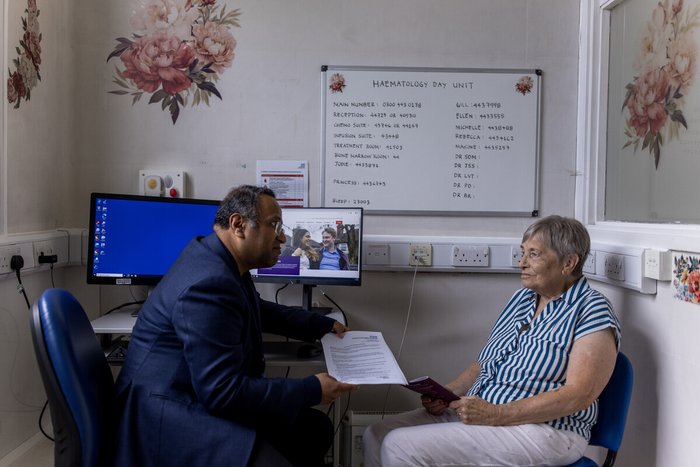
If you're ready to talk about trials, a specialist clinical trials nurse can help. They can explain information you've received, and answer questions, or search for relevant UK trials, providing a plain-language summary to discuss with your doctor.
Your data
The NHS and the trial sponsor (the organisation running the study) have strict confidentiality rules about who can and can’t view your information. Only the clinical and research teams who need to access your records will be able to see them.
Before you give consent to join a clinical trial, the researchers will explain what personal data they need to record and access, and why. You will have the chance to ask questions at this stage.
Once you’ve agreed to take part in a trial, you’ll be given a trial number to make sure your information is kept anonymous. If your information needs to be sent out of the hospital, the trial team will use this number, and all of your personal details will stay in your notes.

Why clinical trials matter
Find out how clinical trials improve treatment and help future patients too.
Understand what a clinical trial is
Understand the types, phases and funding behind clinical trials, simply explained.

Decide if a trial is right for you
Explore benefits, risks and common worries to help you decide.
Questions to ask your doctor about a clinical trial
Bring these questions with you so you leave your appointment feeling informed and in control.