I went from being a young, healthy student to a scared cancer patient
Jess was diagnosed with acute promyelocytic leukaemia (APL) at the age of 21, shortly after graduating university. Three years on, she reflects on what happened and how she’s made lifelong friends through volunteering with Blood Cancer UK.
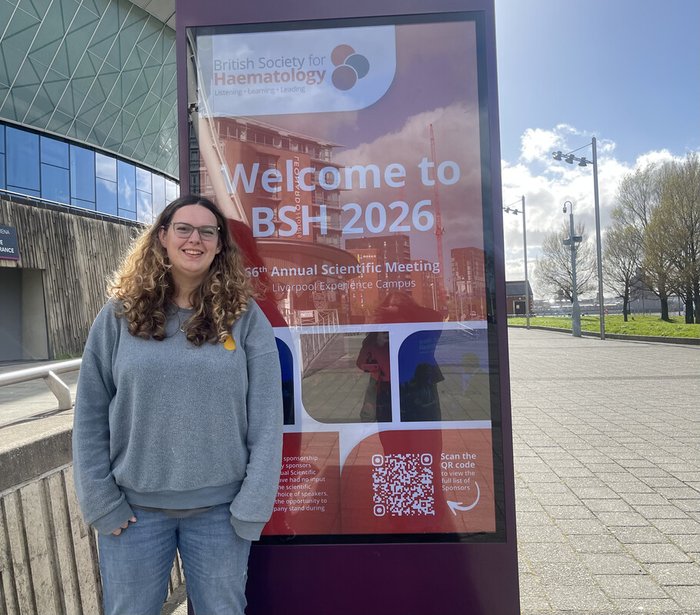
I was diagnosed with acute promyelocytic leukaemia (APL) at 21, shortly after graduating from university. My diagnosis fundamentally changed my life – it was completely unexpected and suddenly I went from being a young, healthy, invincible student to a scared cancer patient who felt alone. I thought my life was over.
I was angry and upset for a long time after my diagnosis - my mental health suffered even towards the end of treatment in 2023, when I was supposed to be getting better.
Mental health in both treatment and survivorship is still not a widely discussed topic but it’s a very important one.
I found treatment was incredibly tough physically but the biggest challenge for me was my mental health. My world completely flipped overnight, and I could no longer do many of the things I had taken for granted. I was very lucky in the fact that I had an incredible support network, and I had a specialist nurse who was incredible in helping me with my (at times) overwhelming worries.
Noticing symptoms and searching for answers
For a few months before my diagnosis, I had been feeling fatigued and generally unwell, but I put it down to working hard to submit my dissertation and studying for exams. I had been trying to get seen by my GP for my vague and odd symptoms- which, on reflection were major red flags for leukaemia. I began to have fevers, bruises appearing out of nowhere, rashes, night sweats and exhaustion.
When I went to my GP, they put it down to hormones and anxiety/stress or exhaustion. I was told that because I was 21 it couldn’t be anything serious and to go to A&E if I was concerned. They refused to see me in person or run a blood test despite my concerns.
I felt that as the doctors weren’t worried then I had nothing to worry about. I was even admitted to hospital in early July for a quinsy (a rare, severe complication of tonsillitis) that caused sepsis, and spent a week in hospital before being discharged. Being told I didn't need to be in hospital as I was so young, despite my blood tests showing low platelets and white blood cells, was frustrating.
I felt as though my age was negatively affecting my care and I felt as though my concerns were being ignored.
I was told I was “health anxious” and to follow up with my GP. After four weeks of chasing, my GP still couldn’t offer me blood tests and I ended up organising bloods via outpatients at the hospital, only to be told that they couldn’t discuss my results over the phone and to wait for the next appointment in 6 weeks’ time.
My GP once again told me it was anxiety related and that because of my age it wouldn’t be serious. I was made to feel like I was wasting everybody’s time because no matter how many times I explained this wasn’t normal for me, it didn’t seem to matter.
Finally getting a diagnosis
Four weeks later I was taken to hospital again by my partner, and I was diagnosed with neutropenic sepsis. This is a severe and life-threatening reaction to infection seen in immunocompromised patients. Five days later I was in intensive care receiving a leukaemia diagnosis. If my doctors had listened to my concerns, they would have seen that it wasn’t anxiety causing my symptoms but blood cancer.
I was worried about losing my hair
Whilst I don’t remember my diagnosis specifically, I remember feeling relieved about having a diagnosis, that it wasn’t all in my head, but more worried about losing my hair. I felt like I would no longer be the girl I used to be, and I felt so alone.
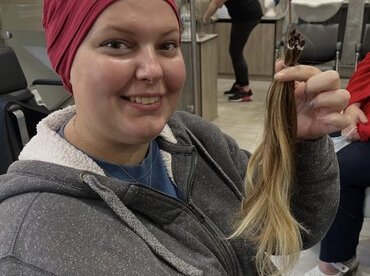
I felt so out of control as though everything was happening to me all at once. I had rapid treatment to save my life, and I was too poorly to really understand what was going on.
Finding the right support
When I was slightly better and back on the wards, Blood Cancer UK leaflets were given to me. The charity provided a community, a forum, but most importantly an easy way to access the information I needed. They sent out booklets with information ranging from how this would affect daily life, common terms, emotional support, as well as offering support to my family members who were also affected.
This was a brilliant lifeline in those early days when everything was a struggle for me. I spent hours going through the booklets and website looking at what to expect, what questions to ask, and the things that you wouldn’t think to begin to know. I joined the online forum, and began to feel less alone knowing that there were others out there like me. Knowing there was a helpline to call was also a reassurance!
The thing that was most difficult for me during treatment was definitely the social aspect.
I ended up losing quite a few of the friends that I had made at university – they were out enjoying their lives post-graduation, and I felt as though I was stuck, unable to travel or do anything meaningful. I was the youngest person at my treatment unit most days, and I felt completely unseen and alone.
I had to give up my job in the ambulance sector; I had to postpone my dreams of returning to university; I had to postpone holidays, and my family had to do the same. I seemed to suddenly go from independent and free to dependent on those around me whilst my friends were buying houses and travelling. This compounded with the fact that I found it difficult making friends – there were added anxieties such as, when do I tell them I have cancer?
I had to cancel plans last minute due to treatment side-effects and I felt guilty a lot of the time. People my age just didn’t understand both the physical side of treatment, but also the huge emotional toll it took. The online forum was a lifeline in those times – connecting with other people going through cancer really made me feel less alone.
Finding my new normal
I reached remission in 2023 after a further 8 months of outpatient treatment and found my new normal! I decided to start volunteering with Blood Cancer UK after talking to another patient from my unit – they had raved about how volunteering gave them an opportunity to meet with other volunteers who had been through the whole ordeal and the supportive community they found.
I joined as a fundraising volunteer to help raise funds for vital research and services that I wouldn’t be here without. In the process I found a caring, friendly bunch of volunteers who have been a great support network throughout the last few years.
Volunteering has introduced me to lifelong friends, and it is lovely to talk to people who truly understood everything I had been through. I didn’t have to avoid difficult topics; I didn’t have to hide the emotional side of cancer; I could be as vulnerable as I needed to be without fear of judgement or having to explain myself.
The volunteer community offered me so much more than I could ever explain, and I have had so many opportunities since finishing treatment through the involvement with Blood Cancer UK.
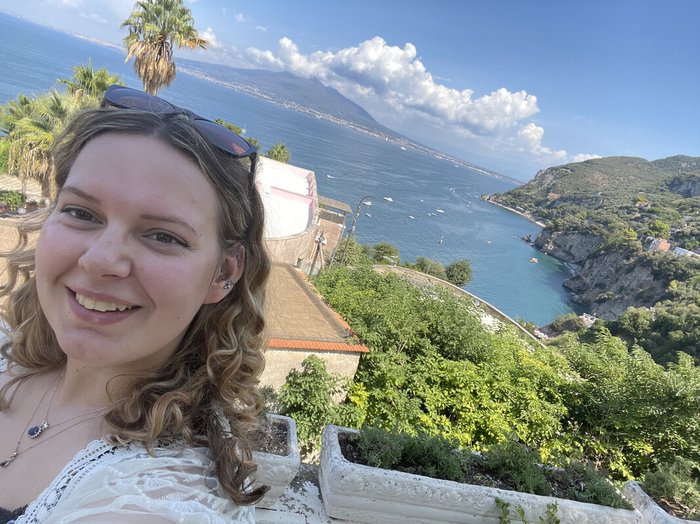
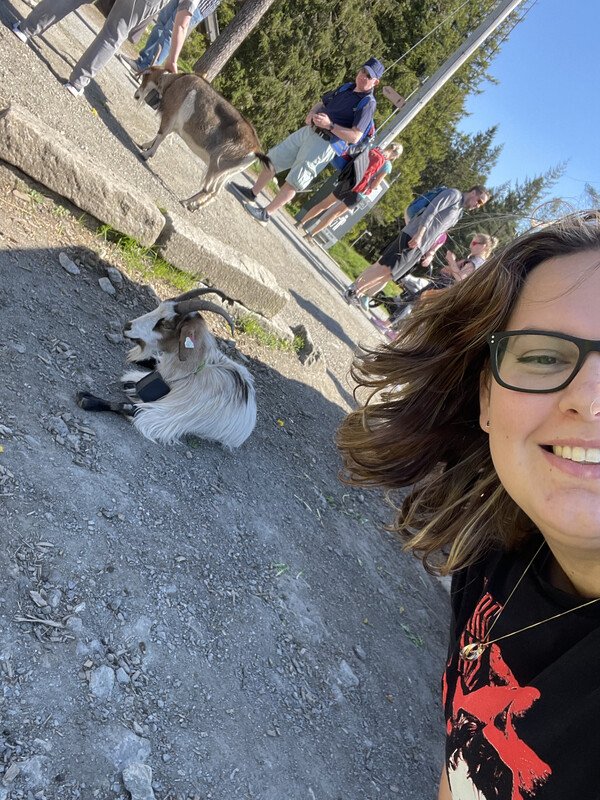
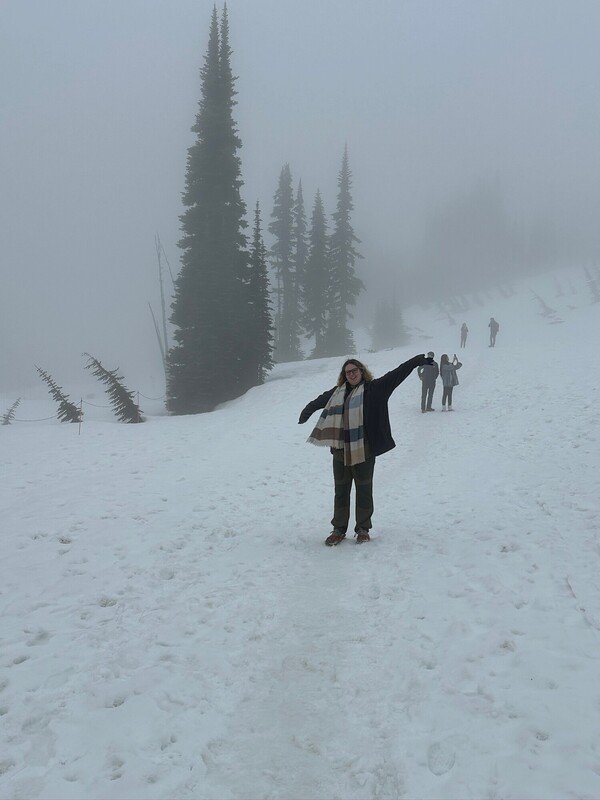
Three years on, my life is completely different and so much more fulfilling than I ever could have imagined during cancer. I wish I could go back and tell myself in those dark days everything we have to look forward to. I bought a house with my wonderful partner in a beautiful part of Wales. I started a job I loved with the ambulance service. I went on two bucket list holidays that I could only dream about in hospital. And finally, I am almost finished with my first year at medical school. Medical school! A true pinch-me moment.
My dream had always been to go into oncology, but I was unsure whether as a clinician or a researcher. As someone who was told they had the “good leukaemia” I realised that haematologists can truly change the experience of patients with blood cancer – and that’s what I wanted to do.
In the future I am hoping to go into academic haematology – splitting time between research and patient care, so that I can contribute to a better experience for patients with blood cancer. I often split my life during treatment into pre-cancer and CANCER; but I’m slowly recognising that life post-cancer is just as important to reflect on.
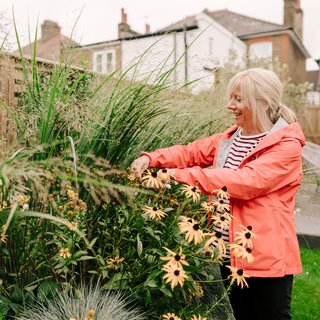
So enjoy some photos of my current life. And to anyone going through treatment right now – you are not alone; you can achieve so many wonderful things; even after cancer seemingly stops the world.

Ask the blood cancer community
Join our online forum to chat with people who know how you feel. Or post a question for our blood cancer nurses.