Top tips to manage your autologous stem cell transplant
A stem cell transplant involves strong chemotherapy, followed by an infusion of stem cells in a process a bit like a blood transfusion.
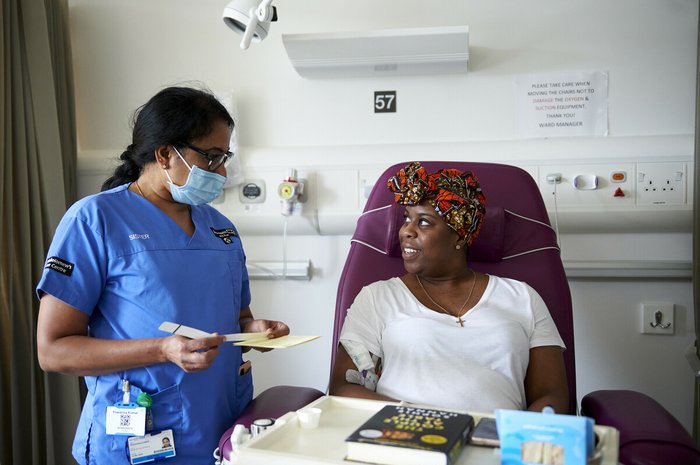
Sometimes the stem cells are from a matched donor. But for people with myeloma and some types of lymphoma, it’s more common to have a transplant using your own stem cells. This is called an autologous stem cell transplant.
We spoke to four people about their experience of having an autologous stem cell transplant, and the advice they would give someone preparing for one.
Getting ready for your transplant
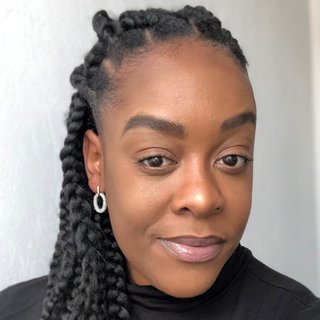
For people considering a stem cell transplant, an important first stage is information. Marrion wanted to know as much as possible about what her doctor was recommending. “If you’re armed with information, you can make an informed decision about your treatment,” she says. “I asked 20 questions because I wanted to know exactly what the plan was.”
Denise was keen to do some research but tried to stay away from Google. “You just never know where the information is coming from.” She was also introduced to someone close in age and experience.
My oncologist put me in touch with another patient, who was also young and from the same cultural background. It helps to connect with other people before you start.
Preparing for side effects
Before the transplant happens, you will have strong chemotherapy to kill any cancer cells left after your initial treatment. This can cause side effects, which vary from person to person.
Penny says she was lucky. “They did warn me I could have serious side effects from the chemo, but I was just very lucky mine were very mild. It's impossible to tell what will happen, but best to be prepared.”
Craig’s worst side effect was a common one: diarrhoea. “I had that really badly for about 10 days. So that was unpleasant!”
Marrion remembers, “I had something called mucositis, which was absolutely no saliva whatsoever. My throat was as dry as sandpaper. But then different people have different experiences.”
The way you look may change too. Marrion not only lost her hair, but noticed her skin became much darker after the chemo. “These sound like they're just cosmetic things. But they have a psychological impact on your well-being. I went to Look Good Feel Better for advice, and they were excellent.”
There are things you can do in advance to get your mind and body ready for the transplant. Marrion advises:
Eat well and eat healthy…Dental hygiene is important – learn the right way to brush your teeth. Stay hydrated as much as possible. Moisturise often to help with dry skin and nails once your treatment starts.
More about side effects
Read about some side effects that are common with blood cancer treatment.
Always tell your doctor or nurse if you feel different or worse while you are having treatment. There are things they can do to help.

Managing your time in hospital
Stem cell collection can take several hours over one or two days, and you need to sit fairly still. To occupy herself, Penny took her Kindle with her, but found she had some company. “There were two or three of us in the room together, so I had people to talk to.”
Marrion had to stay overnight when her cells were collected. She advises, “Take a snack pack with you, just in case. I got a bit hangry because I’d missed the hospital’s evening meal!”
After the transplant, you might stay in hospital for up to 6 weeks. According to Craig, this stage is “a tough process of boredom, your hair falling out, then a few days of feeling awful.” He recommends “an iPad with lots of stuff downloaded. Luckily, I had decent Wi-Fi so I could stream things to watch.”
Because you’re at risk from infections while your immune systems recovers, there may be restrictions on visitors. But you’re unlikely to be in total isolation. Penny says:
They were wary of children coming in case they brought bugs from school, but they were quite happy for my daughters and their partners to come in.
Going home
People are bound to look forward to going home, but according to Craig, it's not quite that simple:
There is a real sense of abandonment when you are discharged, as you go from constant support and attention from the brilliant nurses to going home feeling a bit lost.
Craig found that calling his clinical nurse specialist made going home feel less stressful. Marrion agrees. “I had a phone number for my clinical nurse specialist and the chemo ward, and someone picked up for me every time I called.”
Marrion also found support in an online myeloma support group. “I didn’t involve my family much. I didn’t want to put them through it…I wanted that separation, where I could talk about my situation in the support group, and then tell family I was okay. Because they were carrying enough anyway.” She also advises considering professional support for your mental health. “Take a short counselling course just to help you get back to who you are, because it can feel like you lose a bit of yourself."
Taking time to recover
Craig experienced physical difficulties when he got home. “At first I was fine, but after about four weeks I felt as if someone had unplugged me. Just a walk round the village wiped me out but I gradually got better.”
Denise didn't realise the full effect of the transplant until she went home. “I couldn't change my own bedsheets. I couldn't walk to my corner shop because of the breathlessness. I couldn't even pick up a drink that was next to me. I was trying to figure out what had happened to my body and that was also really challenging mentally.”
She found having a plan for her physical recovery also helped with her mental health. “So much of what was happening to my body was out of my control, but having an exercise regime, supported by a medical professional, gave me some autonomy.” She adds:
Coming to terms with what had happened to my body was one of the hardest parts. I had to learn patience and accept that recovery takes time, but I truly believe a positive mindset is key to a good recovery.