
Myelodysplastic syndromes (MDS)
Myelodysplastic syndromes (MDS) are a group of conditions where your bone marrow does not work properly and makes faulty blood cells. MDS is a type of blood cancer.
Funding information
The following pharmaceutical companies and charitable organisations helped fund this information, but had no influence over it: Abbvie, AstraZeneca, Incyte, Jazz Pharmaceuticals, Kyowa Kirin, Roche, Sobi UK, The Garfield Weston Foundation, The Steel Charitable Trust and The Grace Trust.

What is MDS?
MDS is a type of blood cancer that affects your bone marrow and blood cells. Learn about what MDS is, what causes it and the different types of MDS.

Prognosis for MDS
The way MDS develops over time varies from person to person. Read about how MDS develops and what can affect your prognosis.

MDS symptoms
The main symptoms of MDS are caused by having low levels of healthy blood cells. Symptoms vary from person to person, depending on which blood cells are affected.
Treatment and side effects
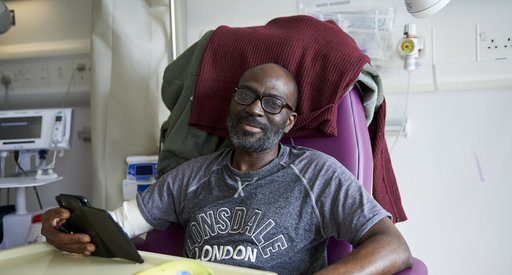
Your hospital team will recommend the best treatment for you and help you with any side effects from your treatment.

Tests for MDS
If your doctor thinks you might have MDS, they'll do some tests to find out more. After diagnosis you'll have tests to monitor the MDS and to check if any treatment is working.

Active monitoring (watch and wait)
Some people with MDS do not need treatment straight away. If you do not need treatment, you'll go on active monitoring (watch and wait).

Living well with MDS
Finding out you have MDS can be a big shock. Find out where to get support, and things you can do to help yourself.
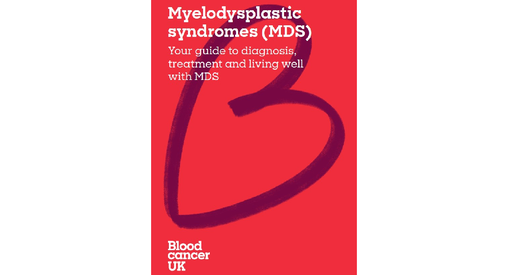
Order your free guide to MDS
People with MDS helped us create this booklet, to help you understand what to expect and how to live well with MDS.
This information has been accredited with the PIF TICK, the UK's only quality mark for trusted health information.
Last full review November 2026. Next full review due November 2029. We may make factual updates to the information between reviews.
Thank you to Consultant Haematologist Dr Daniel Wiseman and Haematology Nurse Gemma Taylor for checking the clinical accuracy of our MDS information. Thank you also to Ally, Kal, Liesl, Peter, Simon and Tony for sharing their experiences and for helping with the creation of this information.