
Prognosis for myeloma
If you have myeloma, you may want to know more about your prognosis − what's likely to happen in the future.
What you need to know:
- Myeloma is a relapsing-remitting cancer. This means you may have several periods of remission and relapse over time.
- Myeloma cannot be cured but it can be treated, even if it comes back several times.
- There is lots of support available for you and the people around you, whenever you need it.
Myeloma, relapse and remission
Myeloma is a blood cancer that follows a relapsing-remitting pattern. This means people with myeloma generally have treatment, then a period of remission or a stable phase.
Remission is where there’s little or no sign of myeloma left. It is almost always followed by a relapse. This is where the disease comes back and treatment starts again.
Most people with myeloma say it’s reassuring to know that it is treatable, even though it can’t yet be cured. They also find it helps to know there are so many different treatments available. And that there’s the hope of more around the corner.
Treatment for myeloma aims to get you into remission and keep you there as long as possible. But it’s very hard to predict how long someone will stay in remission. It varies between several months and several years.
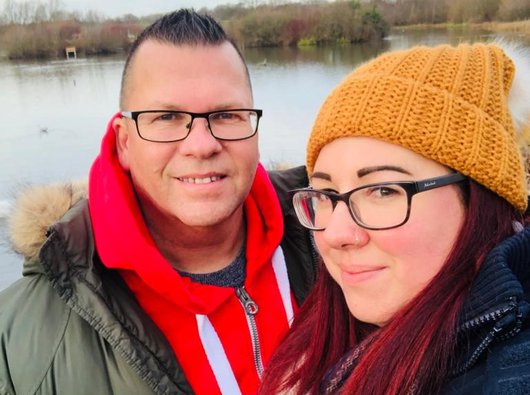
"We're positive because there's lots of treatments, and there's always new treatments coming up. And the development is so fast. In five years, who knows what might be out there."
Mart, diagnosed with myeloma in 2020
Read about our research to understand myeloma and work towards a cure.
Where you can find out more
We have general information about things that might affect your prognosis. But bear in mind that everyone is different.
Any statistics about myeloma are very general and can’t predict what will happen to you. They are always based on people from the past, who probably had different treatments.
If you want to know more about your own prognosis, ask your hospital team. They can talk to you about your personal level of risk, but they won’t be able to predict exactly what will happen. So while it can help to talk to them, you may not get answers to all your questions.
Some people don’t want to discuss their prognosis, and that’s fine. It’s up to you whether you discuss it with your hospital team and what questions you ask.
Emotional support
Living with a disease that is likely to relapse can be emotionally tough. Check-ups and waiting for test results can be particularly hard. You may find it helps to talk about it from time to time.
Our free Support Service is here to listen to any concerns about your diagnosis or treatment or the impact on your life. We’re also here to support your loved ones. You don’t need a particular reason to contact us, just let us know how you’re feeling.
You may also want to visit our online community forum and connect with people with myeloma or other types of blood cancer.
Our myeloma research
Our research on myeloma over many years has helped develop and improve treatments. Find out more about our research impact on myeloma.

Contact our support services team
Our team of nurses and trained staff offer support and information to anyone affected by or worried about blood cancer. Contact them by phone, email, or on our Community Forum.
More About ThisAbout this page
This information has been accredited with the PIF TICK, the UK's only quality mark for trusted health information.
Last full review May 2026. Next full review due May 2029. We may make factual updates between reviews.
Thank you to Consultant Haematologist Dr Emma Searle and Clinical Nurse Specialist Amie Martin for checking the clinical accuracy of our myeloma information. Thanks also to Cecelia, Craig, Joan, Kaleigh, Kerry, Louise, Mart, Sandra, Scott for supporting this project and sharing their experience of living with myeloma.