
Staying safe in the sun and hot weather with blood cancer
As the temperature rises, our Support Services Nurses share important tips for taking care in the sunshine and hot weather while living with blood cancer.
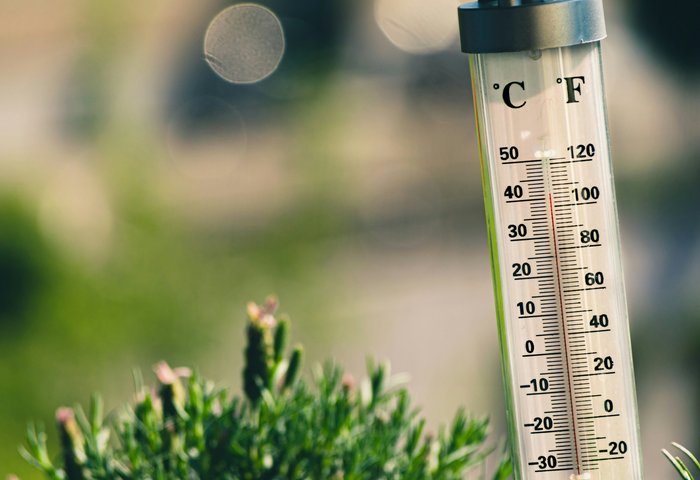
Blood cancer and sun exposure
Protecting your skin from the sun is always important – but if you're having treatment for blood cancer, or you've finished treatment in the last few years, it's even more crucial.
Treatments like chemotherapy, targeted therapies and radiotherapy can make your skin more sensitive to damage from the sun. If you’ve had a stem cell transplant using donor cells (an allogeneic transplant), being out in the sun without the right protection can increase your risk of GvHD (graft versus host disease) – where your immune system attacks your donor’s stem cells.
Additionally, your medicines may make you sun-sensitive. If you're unsure, check your medication leaflet or ask your pharmacist or hospital team.
There are plenty of ways to protect yourself while making the most of the hot weather. Remember to always speak to your medical team if there's anything else you need to know. Here are our tips for staying safe in the heat:
1. Avoid the hottest part of the day
The sun is at its strongest between 11am and 3pm, so try to avoid the sun and stick to the shade at these times. It might be useful to check the weather reports, or check the MetOffice website for your local forecast.
2. Remember your hat
Wear a hat that shades your face, neck and ears, which can burn easily otherwise.
3. Protect your eyes
When the sun is out make sure that you wear sunglasses – ideally ones that come with a guaranteed ultraviolet (UV) filter.
4. Keep an eye on your temperature
If your temperature is below 36°C or above 37°C, speak to your hospital team as soon as possible.
5. Wear loose clothes
Wearing loose-fitting clothing made from cotton or natural fibres will give you extra protection from the sun, and keep you cool.
6. Use the right suncream
Select a suncream with a sun protection factor (SPF) of at least 30 and with protection from UVA and UVB rays. Whether in lotion, spray or gel form, make sure that you apply it as recommended, and reapply after swimming or exercising heavily (which will make you sweat). If you need to use insect repellent cream then apply this after your suncream.
7. Drink water, little and often
It's particularly important for people with blood cancer to stay hydrated. Drink plenty of water throughout the day and avoid too much caffeine (tea, coffee) or alcohol.
8. Get advice before you swim
Some treatments, like radiotherapy, can make skin more sensitive to chemicals like chlorine, so you may need to avoid swimming in chlorinated water (for example, your local swimming pool). If you are at higher risk of infections, you might also need to avoid swimming in natural water like lakes or rivers, because of the risk of bacteria. You can ask your medical team for more advice about this.
9. Pace yourself, even on a good day
Try to take it slowly, stay in the shade, and give yourself time to rest.
For more general information about protecting yourself from the sun, see NHS information about sun safety.
Want to talk?
If you have questions or worries, ask a blood cancer nurse. Our specialist nurses can help you make sense of things. So you can talk to your hospital team with confidence.