
Developing more effective treatments for people with blood cancer
Professor Spencer is working to develop new, alternative drug treatments.
Sometimes cancer cells can also grow resistant to treatment, meaning the cancer cells come back after initial treatment. Professor Spencer is working to develop new, alternative drug treatments that stop this from happening.
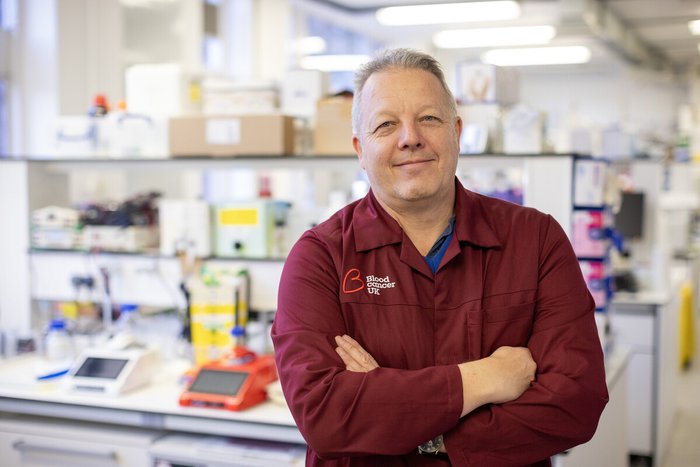
Professor John Spencer
Project information
- Lead researcher
Professor John Spencer, University of Sussex
- Research team
-
- A team at University of Sussex
- Related conditions
-
- Myeloma
- Childhood leukaemias
- Leukaemia
- Root condition
- Research type
-
- Non-clinical
- Region
-
- South East
- Grant awarded
-
- Project Grant
- Status
- Ongoing
- Funding award date
- January 2023
- Amount awarded
£280,000
The challenge
A problem with current blood cancer treatments is that sometimes the cancer can stop responding to it, which causes the disease to return. We need to work out how we can stop this from happening to give everyone the best possible chance of survival.
The project
Professor Spencer and his team have identified a molecule that they think is involved in certain blood cancers such as leukaemia, lymphoma, and myeloma. They think this molecule might also contribute to certain treatments stopping working for these types of blood cancer.
The team want to build a 3D structure of this molecule to look at the different forms it exists in and look at how it interacts with different things in the cell. With this knowledge he will then test different combinations of drugs to see if this molecule can be a target for new treatments in the future.
The future
The hope is that this work will lead to new understanding about how this molecule is involved in the development of blood cancer and how it might lead to treatment resistance. This will assist scientists to develop new, alternative drug treatments for people affected by blood cancer that are kinder, with fewer side effects.
Find out more
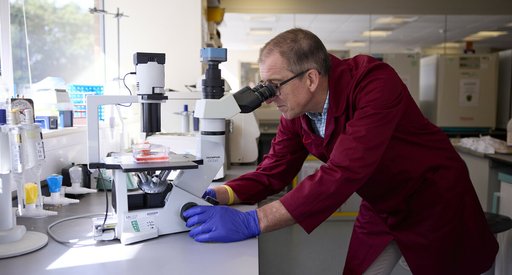
Our research
Thanks to our blood cancer community, we've invested over £500 million into research since 1960. Our discoveries have led to better and kinder treatments, and transformed lives.

Support for you
Get free support from our specialist nurses, join our online community and access information you can trust.
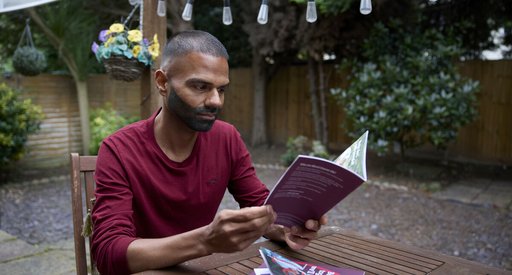
Blood cancer types
Understand all the different types of blood cancer and find information and support.

Clinical Trials Support Service
Find out how our Clinical Trials Support Service can help you.