
Improving outcomes for people with MDS/MPN Overlap Syndromes
Discover Dr Daniel Wiseman's research into a new drug to treat blood cancer.
People with MDS/MPN Overlap Syndromes have very few treatment options available to them. This study will trial a new drug to see if it can extend and improve the lives of people with this disease.
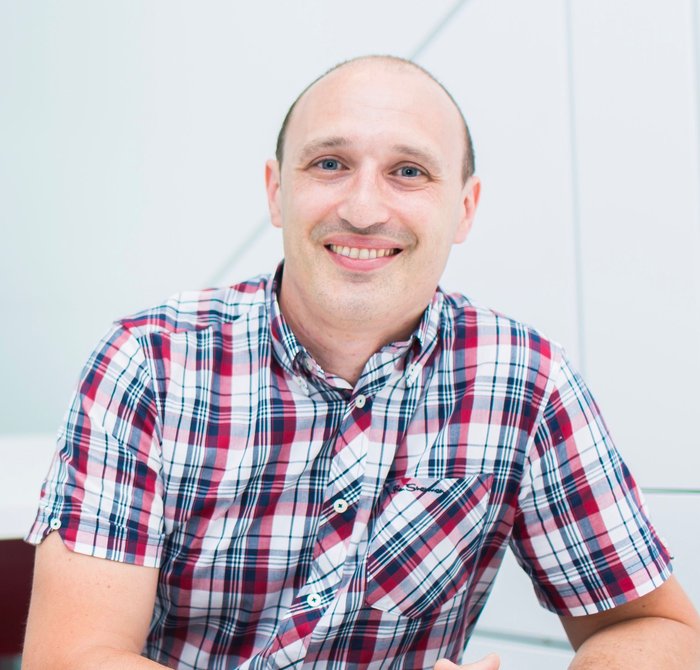
Dr Daniel Wiseman
Project information
- Lead researcher
Dr Daniel Wiseman, University of Birmingham
- Research team
-
- A team at University of Birmingham
- Related conditions
-
- Myelodysplastic syndromes (MDS)
- Myeloproliferative neoplasms (MPN)
- Research type
-
- Clinical
- Region
-
- The Midlands
- Grant awarded
-
- Clinical Trial
- Status
- Completed
- Funding award date
- October 2025
- Amount awarded
£397,000
- Project completion date
- August 2025
The challenge
MDS/MPN Overlap Syndromes are a rare type of blood cancer that has features of both MDS and MPN. There are limited treatments available for people with this disease. The disease can cause symptoms such as tiredness, infections, and bleeding and as there are limited treatments, the outlook isn’t good. We urgently need to find new treatments for this type of disease.
The project
In this trial, the team will test a new drug called ASTX727 to see if it is able to improve outcomes for people with MDS/MPN Overlap Syndromes.
The drug alters the pattern of how genes, some of which drive cancer growth, are turned on or off in a cancer cell and this drug will alter this to try and bring the cancer under control. The team want to understand if this drug improves symptoms and will compare the effects of this drug to patients receiving standard care.
The drug is also given as a tablet which will reduce the need for patients to go to hospital, improving their overall quality of life.
The future
If shown to be successful, the hope is that this drug may be able to improve and extend the lives of people with MDS/MPN Overlap Syndromes, giving them additional treatment options and an improved quality of life.
Find out more
Our research
Thanks to our blood cancer community, we've invested over £500 million into research since 1960. Our discoveries have led to better and kinder treatments, and transformed lives.

Support for you
We’re here for anyone worried about or affected by blood cancer. Call our free blood cancer support line, email us or join our online community.
Blood cancer types
Understand all the different types of blood cancer and find information and support.

Clinical Trials Support Service
Find out how our Clinical Trials Support Service can help you.