£

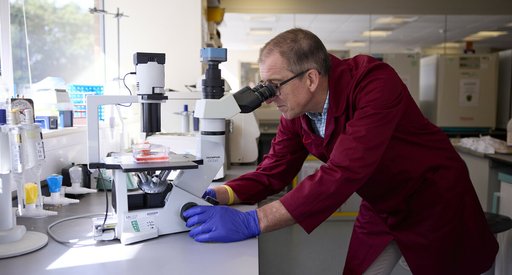
Myelodysplastic syndromes (MDS) and acute myeloid leukaemia (AML) are both types of blood cancer that can occur when the process which repairs damaged blood cells goes wrong. Dr Quek wants to understand more about this to develop better treatments for people with these diseases.

Project information

Lead researcher

Dr Lynn Quek, King's College London

Research team
  • A team at King's College London
Related conditions
  • Acute myeloid leukaemia (AML)
Research type
  • Non-clinical
Region
  • London
Grant awarded
  • Innovative Pilot Grant
Status
Ongoing
Funding award date
June 2025
Amount awarded

£29,425

The challenge

Myelodysplastic syndromes (MDS) and acute myeloid leukaemia (AML) are both types of blood cancer that affect the bone marrow (the spongy material inside some of our bones).

They become more common with age, as when we get older it becomes more likely that our cells become damaged, disrupting the way they work.

To keep our body healthy, cells have special processes that are able to identify and repair this damage. However, sometimes this doesn’t happen, which can lead to person developing MDS or AML.

The project

Dr Quek and her team want to focus their research on a specific type of MDS and AML which is caused by alterations in the process that usually works to repair damaged blood cells as for these people the disease can be much more difficult to treat.

In previous research they have found that people who do not have MDS or AML can have the same alterations in cells in their blood and bone marrow which could mean they could go on to develop these types of blood cancers in the future.

However, some people despite having these alterations, don’t develop the diseases and Dr Quek and her team want to understand why this is. They hope to find ways to predict whether someone with these specific alterations is likely to develop MDS or AML in the future.

The future

The hope is that, by better understanding the processes that can lead to someone developing MDS or AML, we can develop more effective treatments. This could also help identify and treat people earlier, potentially even preventing these diseases.

Help us beat blood cancer by funding a research project

  • £15 could help eight people newly diagnosed with blood cancer understand their condition.
  • £30 could help researchers study blood cancer cells to develop new treatments and improve early diagnosis.
  • £50 could help scientists identify genetic patterns in tumour samples to better understand how genes contribute to the development of blood cancer.
Donate