£

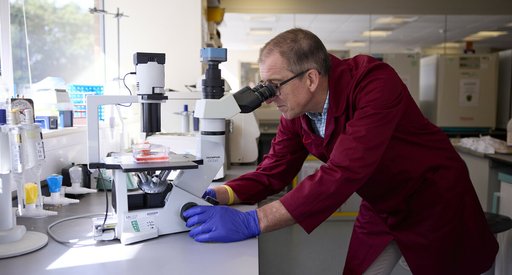
In this project, Professor Bonnet wants to understand more about the cell that she thinks is responsible for AML returning.

Project information

Lead researcher

Professor Dominique Bonnet, The Francis Crick Institute

Research team
  • A team at The Francis Crick Institute
Related conditions
  • Acute myeloid leukaemia (AML)
Research type
  • Non-clinical
Region
  • London
Grant awarded
  • Project Grant
Status
Completed
Funding award date
October 2022
Amount awarded

£249,945

Project completion date
October 2025

The challenge

Acute myeloid leukaemia (AML) is an aggressive form of blood cancer that remains very difficult to treat with many people seeing their disease return after initial treatment. We urgently need to find new ways to treat this type of blood cancer to improve survival for people with the disease.

The project

It’s thought that there is a unique type of cell called the “leukaemia stem cell” that is responsible for AML returning after initial treatment.

Professor Bonnet and her team think there are other cells that might protect these leukaemia stem cells from treatment, and she wants to understand this further.

As the parent of someone who was diagnosed with AML as an infant we live in fear of relapse. Knowing that there is ongoing research into [this] is very valuable and gives me hope that there will be lower rates of relapse in the future.

- Patient Voice Grant Advisory Network Member, a mother to a child in remission from AML

The future

The hope is that this project may identify new ways to target these leukaemia stem cells which could reduce the chances of relapse and give everyone diagnosed with AML the best possible chance of survival.

Help us beat blood cancer by funding a research project

  • £15 could help eight people newly diagnosed with blood cancer understand their condition.
  • £30 could help researchers study blood cancer cells to develop new treatments and improve early diagnosis.
  • £50 could help scientists identify genetic patterns in tumour samples to better understand how genes contribute to the development of blood cancer.
Donate