
Just diagnosed: what you need to know
When you find out you have blood cancer there can be a lot of information to take in. On this page, we cover the key things many people want to know first, including your rights, whether blood cancer can be cured and what you can do to help yourself.
If you need to talk to someone
If you have questions, worries or just want to talk about what's going to happen, don’t wait. Speak to your GP, consultant or specialist nurse. Or contact our Support Service. Call 0808 2080 888, or email [email protected]
What are my rights as someone with blood cancer?
There are some things that are useful to know from the beginning, that people sometimes don't find out until later:
- You should be given a named key worker – Someone in your medical team should act as your main point of contact for everything to do with your medical care and well-being. This is usually a clinical nurse specialist (CNS). If you haven’t been given a named key worker, don’t be afraid to ask for one.
- You have legal protection as someone with cancer – Cancer is classed as a disability under UK equality laws. This means your employer or place of education must not discriminate against you.
- You have rights as a patient – These include the right to be involved in decisions about your treatment, and to have information about its risks and benefits. You can also ask for a second opinion from another doctor at any time.
- You may be able to get financial support – Ask your GP or hospital team for advice about your financial situation. Hospitals sometimes have advisers who can help you apply for any benefits you’re entitled to. If you normally pay for prescriptions, you can apply to get prescription medicines for free.

Your personal guide to blood cancer
Everyone’s blood cancer experience is different. Get information and support that's right for you in just a few clicks.
Will I be cured?
For lots of people, this is their first question. Thanks to research, treatments are being developed and improved all the time. Thousands of people are treated successfully in the UK every year.
With some types of blood cancer, treatment aims to put you into remission. This means there’s no sign of cancer left, or the level is so low it’s no longer a problem. Some people stay in remission and can consider themselves cured. Others may need more treatment later on.
For other types of blood cancer, treatment usually aims to manage the condition so you can live with it and enjoy a good quality of life.
You can ask your hospital team at any time about the aims of treatment, and what’s likely to happen in the future (your prognosis). Your prognosis is individual to you. It'll depend on the type of blood cancer you have and things that are personal to you, such as your overall health.
What can I do to help myself?
As well as attending all your hospital appointments and following your treatment plan, there are several things you can do to help yourself:
- Eat a balanced diet – there’s no food or special diet that can treat or cure cancer. But eating well gives you energy to help you through treatment, and will help your general health.
- Keep active – being active is important for both your physical and mental well-being. It can help you recover from treatment, reduce fatigue and boost your mood.
- Quit smoking – if you smoke, it’s best to give up or at least cut down as much as you can. Your GP or hospital team can help you if you decide to quit. The NHS has more information about giving up smoking. Smoking is especially harmful for people who’ve had chemotherapy, so if it's too much to give up now, think about doing it after you've had treatment.
- Consider complementary therapies – although they can’t treat cancer, complementary therapies like massage, meditation and acupuncture may help you manage symptoms and side effects or help with stress. Speak to your hospital team about whether a particular therapy is OK for you.
- Be wary of alternative treatments or claims – you may hear that particular foods or supplements will help you or hear about alternative treatments for cancer. There’s rarely any proper scientific evidence to support these claims, and they may even be dangerous. Discuss it with your hospital team before trying something new, to make sure it’s safe for you and won’t interfere with any treatment you’re having.
"I’m coming round to thinking that fresh air and gentle exercise can actually help lift my energy levels. Pilates is my big thing – I've found video sessions online, which means I can do it from home when I can't get to my classes."
Read Erica's story about how gentle exercise has helped her manage fatigue.

Why have I got blood cancer?
We still don’t really understand why some people get blood cancer and others don’t.
We know that blood cancer starts with changes in our genes and DNA. These changes are not usually passed on in families (inherited), and can happen to anyone during the course of a lifetime.
DNA is like a set of instructions within every cell in your body, which tells your cells how to work properly. If there are changes in your DNA, it means the instructions aren’t quite right and your cells can start growing out of control. This causes cancer.
With blood cancer, the cells growing out of control are usually in your blood, your bone marrow (where blood cells are made) or your glands (also called lymph nodes).
You can’t catch blood cancer or give it to someone else. To find out more about risk factors for different types of blood cancer, select a blood cancer type. Risk factors are things that may make it more likely for someone to get a particular disease. Generally, lifestyle choices don't play as big a role in blood cancer as they do with some other types of cancer.
Coming to terms with your diagnosis
If you're struggling to come to terms with your diagnosis, there is help at hand. You can speak to your medical team who are best placed to answer questions about your personal circumstances. You can contact our Support Service for general information and emotional support. You can also talk to other people with blood cancer on our online community forum, or just read the helpful posts on there.
Does my family need to be tested for blood cancer?
For most people, the genetic changes that cause blood cancer happen by chance and are not passed on in families. This means there’s usually no need for family members to be tested. It’s very rare for more than one person in the same family to have blood cancer.
However, in a small number of cases, some genetic changes that increase the risk of blood cancer can be inherited. If tests show that you have one of these changes, your family members may be offered genetic counselling and testing to see if they have it too. Having an inherited genetic change doesn’t mean someone will definitely get blood cancer, but it may increase their risk.
If you’re worried about this, speak to your GP or hospital team for advice.
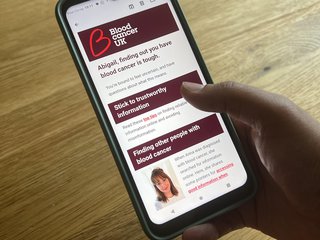
Get a weekly support email from us
We'll send you clear and simple information, practical tips, and advice from other people with blood cancer, to help during the first few weeks and months after diagnosis.