
How to join a clinical trial
Many people want to learn more about how joining a clinical trial works. While every trial is different, most follow a similar process.
Learn more about the steps involved in joining a clinical trial, including referral, consent, eligibility checks and screening.
Finding a trial
The first step is finding a blood cancer clinical trial that may be suitable, whether that's on your own or with support from our clinical trials nurses.
You do not need to wait for a doctor to suggest a clinical trial. If you have heard about a study that interests you, you can ask your healthcare team whether it might be suitable for you.
Discussing a trial with your doctor
If you're interested in taking part in a clinical trial, the next step is to talk to your healthcare team. This will usually be your hospital specialist, although it may be your GP if you are being managed in primary care.
They can discuss whether the trial might be suitable for you and answer any questions you have. Although the research team will have the most up-to-date information about the trial and who can take part (its eligibility criteria), your own healthcare team can help you understand:
- whether the trial may be appropriate for your situation
- how the trial compares with standard treatment options
- whether other clinical trials may be available.
Being referred for a trial
To take part in a clinical trial, a healthcare professional usually needs to make a referral to the team running the study. A referral does not guarantee a place in a trial. The trial team will still need to review whether the study may be suitable for you.
Whether you can join the trial may depend on:
- whether the trial is still open to recruitment
- whether the trial team thinks the study may be a good match for you.
Questions you might have
It’s normal to have questions about being referred to a trial. We answer some common questions below.
What happens after you're referred?
After receiving the referral, the trial team may review information such as your diagnosis, treatment history and test results to see whether the study could be a good match for you. This is sometimes called pre-screening.
Pre-screening helps the trial team decide whether to invite someone to learn more about the study. It does not mean that you will definitely be able to join the trial.
Can I take part in a clinical trial at a different hospital?
Yes. Not all hospitals run clinical trials, so you may need to travel to another hospital if a suitable trial is not available where you normally receive treatment.
Your healthcare team can refer you to another hospital that is running a trial, so that the trial team can assess whether the study might be suitable for you.
The hospital you're referred to will depend on:
- where the trial is being run
- whether you meet the trial’s eligibility criteria
- your own wishes.
Some people only want to consider trials that are close to home, while others are willing to travel further. It's important to think about how often you may need to attend appointments and what travelling would involve for you and those supporting you.
If you're interested in a trial at a different hospital, speak to your doctor for more information.
For more information about the benefits and risks of taking part in a clinical trial, see our "Decide if a trial is right for you" webpage.
Can I take part in a clinical trial elsewhere in the UK?
Possibly. If a suitable trial is running in England, Scotland, Wales or Northern Ireland, your healthcare team can discuss whether a referral is possible and advise you about any arrangements that may be needed.
Can I join a clinical trial outside of the UK?
It may be possible to join a clinical trial in another country, but this can be more complicated than taking part in a trial within the UK.
For example, you may need to consider things like:
- travel and accommodation costs
- how healthcare outside of the trial would be provided
- the practicalities of spending time away from home.
Eligibility requirements can also vary between countries and trials.
Taking part in a trial overseas is a big decision. It's important to discuss the option with your healthcare team and consider what would work best for your personal circumstances.
There are organisations that can help people explore international clinical trial options. For example, myTomorrows offers a patient navigation service that can help patients understand what trial opportunities may be available and support them in exploring their options.
What if my doctor won’t refer me for a trial?
Your doctor or healthcare team may have valid reasons for not referring you to a trial, for example if you don’t appear to meet the eligibility criteria. They should explain their reasons to you and give you the opportunity to ask any questions.
If you would like another medical opinion, you can ask whether a second opinion would be appropriate. Second opinions allow another doctor to review your diagnosis or treatment. Second opinions are not guaranteed, but you can discuss this with your healthcare team if you think it would be helpful.
If I have another medical condition, will I still be able to join a trial?
Each trial has its own eligibility criteria, and this is important to keep you safe and ensure that you are well enough to receive the treatment safely.
Whether another condition affects your eligibility depends on the medical condition you have and the trial itself. The trial team will talk this through with you.
Meeting the trial team
If the trial team thinks you may be suitable, they will contact you to arrange an initial appointment. At this appointment, you’ll learn more about the trial, what it hopes to achieve and what taking part would involve. The team will also answer any questions you or your loved ones may have. Before the appointment, you may find it helpful to read our information on understanding clinical trials and prepare a list of questions to ask the team .
Throughout the trial, you’ll be supported by a team of people who work together to look after you. The team you meet, and when, will depend on the trial.
Members of the team you might meet include:
Principal Investigator (PI)
The PI leads the trial at your hospital or clinic. They are a qualified health professional, often a doctor, and may be supported by other doctors on the research team.
Research nurses
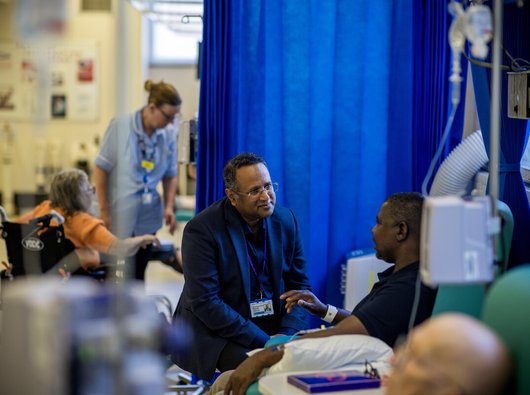
Research nurses help coordinate your care. They support you and your family, and often help you organise your appointments. In some trials, they may also give you the trial treatment or carry out procedures.

Other members of the research team
Depending on the trial, you may also meet other people who help run it and support you, such as clinical trial practitioners or assistants.

Understanding the Patient Information Sheet
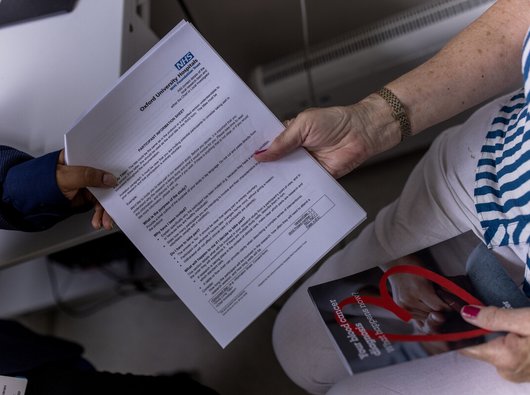
When you first meet the trial team, you’ll usually be given written information to help you decide whether you want to take part.
This written information is called a Patient Information Sheet (sometimes called PIS for short).
It will explain:
- what the trial is studying
- what researchers already know about the treatment or intervention
- the possible benefits and risks
- what tests and hospital visits may be needed
- how long you may need to take part for
- who to contact if you have questions.
You will usually be given time to take this information home and read it before making a decision.
You may also want to discuss the information with family members, friends or your healthcare team.
Trial information can feel detailed or overwhelming
You are welcome to speak to our clinical trials nurses, who can help you understand the information and answer any questions you may have.
We also have information which may help you to decide if a trial is right for you.
Giving informed consent
Consent is when you give your permission to have any medical treatment, test or examination.
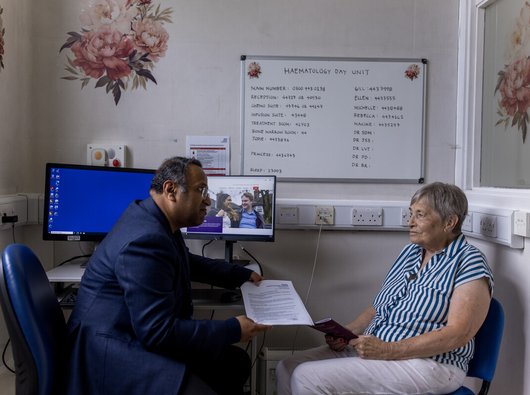
If you decide you would like to take part in a clinical trial, you'll be asked to give your informed consent and sign consent forms.
Before signing, you should have the opportunity to:
- ask questions
- understand the possible benefits and risks
- discuss the trial with family, friends or your healthcare team
- take time to think about your decision
These forms are important legal documents that protect both you and the organisation running the trial.
Making a decision
Giving consent allows the trial team to begin screening tests to confirm whether you can take part in the study. It doesn’t guarantee that you will go on to take part.
Remember, even if you join a clinical trial, you can leave at any point if you change your mind. We have some more information on what happens when you leave a clinical trial.
Eligibility criteria
All trials have guidelines about who can and can’t take part. These guidelines are called "eligibility criteria".
The final step before starting treatment in a clinical trial is to have tests to confirm you meet the trial eligibility criteria.
A trial’s eligibility criteria are split into two sections:
- Inclusion criteria (requirements you must meet to take part)
- Exclusion criteria (factors that would prevent you from taking part)
Eligibility criteria can include:
- your diagnosis
- treatment you have received (if any)
- your age
- your general health
- other medical conditions you may have
Eligibility criteria are used to make sure that the trial:
- includes people who may benefit from the treatment
- keeps everyone involved in the trial safe
- doesn't expose anyone to avoidable health risk
Screening tests
Tests to make sure you meet the trial eligibility criteria are known as "screening".
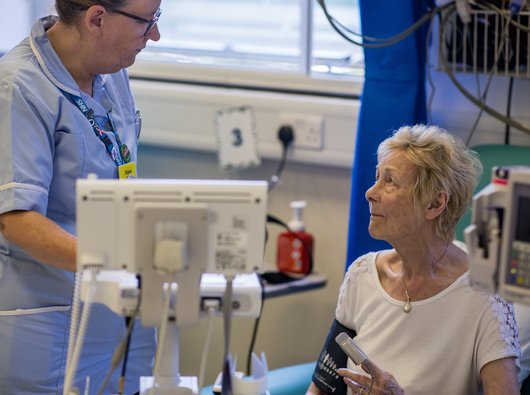
Screening is important because it helps make sure you can take part safely.
Researchers also need to ensure that everyone enrolled in the study meets the correct criteria so that the results are reliable. Trial results are an important part of how new blood cancer treatments are approved for use on the NHS.
Depending on the trial, screening may include:
- blood tests
- scans
- physical check-ups and tests
- reviews of your medical records and treatment history
- other checks required by the trial
If you don't meet the eligbility criteria
Most eligibility criteria will be explained to you before you enrol on a clinical trial. However, it may not always be possible to know for certain whether you are suitable until all screening tests have been completed.
It’s normal to feel upset and disappointed if you don’t meet the trial eligibility criteria, especially after attending appointments or undergoing tests.
If this happens, your doctor or the trial team will discuss any alternative options available to you. They may even be able to recommend a different trial.
Joining the trial
If you pass the screening tests and assessments, the trial team will contact you to confirm you have been enrolled in the trial.
They will explain the next steps, including:
- your treatment schedule
- clinic visits and tests
- who to contact with questions
- what support is available during the trial.
How long the process takes varies between studies. Some people move from referral to enrolment quite quickly, while others may need additional assessments before a decision can be made.
Read our pages about taking part in a trial, from what to expect day-to-day, to stories from people who have gone through it.

Ask the blood cancer community about clinical trials
Connect with people who've been through a clinical trial themselves, or who are thinking about taking part, on our online community forum.

Clinical trials navigation service
If you're ready to talk about trials, a specialist clinical trials nurse can help. They can explain information you've received, and answer questions, or search for relevant UK trials, providing a plain-language summary to discuss with your doctor.

Clinical trials
Clinical trials are how new treatments are developed and improved. Find information and support at every stage of your journey.
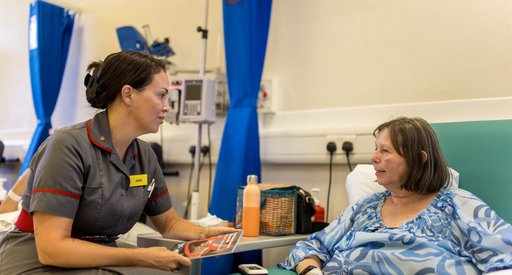
Understand what a clinical trial is
Clinical trials test new treatments for blood cancer and improve existing ones. Explore why they matter, how they work, and how they're kept safe

Find a clinical trial
Find a clinical trial UK-wide. Search by blood cancer diagnosis to discover trials that could be right for you.

Common worries about clinical trials
Honest, straightforward answers to the questions people most commonly worry about before joining a clinical trial.