
Common worries about clinical trials
Honest answers to the questions people most commonly worry about.
If you or a loved one has worries about joining a clinical trial, you might find this page helpful. We provide honest answers to some of the most common questions people might have.
I don't know if clinical trials are meant for people like me
There are thousands of clinical trials happening at any given point in the UK. Each one will be looking for people of all different ages, genders, ethnicities, locations, and cultural backgrounds. You can ask your doctor about the eligibility criteria of a particular trial, or search online yourself.
For understandable reasons, people from minoritised communities have historically been less likely to take part in clinical trials. This may be due to language barriers, a lack of trust in the healthcare system, or different cultural beliefs and preferences.
However, we know that some blood cancers like myeloma and Hodgkin lymphoma are more common in people from Black and Asian backgrounds. We want to understand why, and help develop effective new treatments. This is why it’s important for researchers to include people from lots of different ethnicities in clinical trials. Diversity will ensure that new treatments are as effective as possible for everyone, instead of being tailored to White and Caucasian communities.
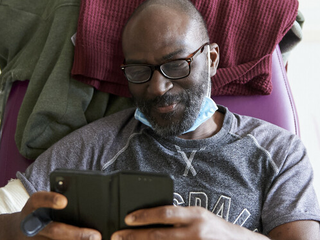
Ask the blood cancer community about clinical trials
Connect with people who've been through a clinical trial themselves, or who are thinking about taking part, on our online community forum.
I don't trust that people running clinical trials are being honest with me
We know that some people have had bad experiences on clinical trials in the past, where things went wrong and safety and honesty were not prioritised. It’s understandable to feel wary of clinical trials if you’re familiar with these stories.
Today, safety and ethics are of utmost importance to everyone involved in a trial. There are robust regulations in place in the UK and across the world to ensure that nobody on a clinical trial comes to any avoidable harm.
Read more about safety, consent and eligibility in clinical trials, and get in touch with our Clinical Trial Navigation Service if you have any further worries or questions.

I'm worried about being used as a guinea pig
By the time a new drug or treatment is ready to be tested in a clinical trial, it will have already undergone extensive laboratory tests that prove it is safe for humans.
Although researchers might not know exactly what side effects you may get (if any), your safety is the most important thing. Safety will be constantly assessed during the trial, and any side effects you do experience will be closely monitored.
It’s also worth knowing that before you agree to join a clinical trial, your healthcare team will check that you meet the trial eligibility criteria. They will also make sure you have all the information you need to decide if the trial is right for you.
There will be lots of opportunities to ask questions, and if you don’t understand something, you can ask your doctor or the trial researchers to explain it again.
If you change your mind about being on a trial at any point, you can leave.
"From my experience, I've found that people worry that they're being used as a guinea pig, and that the safety of a drug is being tested on them. I explain there are strict regulations in place to make sure the drug is safe before it reaches the trial."
Millie, Advanced Nurse Practitioner
Read more about how Millie helps people make decisions around clinical trials.
My family or friends don’t want me to join a clinical trial.
It’s common for your loved ones to have their own questions about a clinical trial. Sometimes, the information they have might be out of date or inaccurate, or they might be worried about your safety. Some communities and cultures may be less familiar with clinical trials than others, and some people may even have had a bad experience on a clinical trial in the past. It’s understandable for people in this situation to be wary of trials and research.
Letting your loved ones know that clinical trials are safe may help to reassure them that you’re doing the best thing for you and your situation. Some people like to invite a friend or family member to their appointments, so they can discuss their fears face to face with a doctor. Or, you could ask them to trust that you are making the right decision for yourself, if enrolling on a trial is something you want to do. Share the information that helped you reach a decision, and explain why you chose to say yes.
You might also want to tell those close to you that it is very important for clinical trials to include and represent people from lots of different backgrounds, in order to improve outcomes for everyone. Taking part in a clinical trial may benefit not just you as an individual, but everyone diagnosed with blood cancer in future.
Johanna was told that she had only one treatment option available to her- to take part in our clinical trial.
Thanks to this, Johanna was able to control her leukaemia and spend more valuable time with her family.

Are clinical trials a last resort?
It’s understandable to be alarmed if your doctor suggests taking part in a clinical trial. Some people assume this means that there is no alternative treatment available, or that an alternative treatment would not work. This isn’t necessarily true.
Whilst a clinical trial can offer the chance to try a new drug if nothing else has worked, lots of people join trials at the beginning or part way through their treatment. There are many different types of clinical trial, aimed at treating people at different stages of cancer.
You have the right to ask about clinical trials at any point after your diagnosis, and you may be able to join more than one trial over the course of your treatment.
"I know that many of my patients find being on a clinical trial is a positive experience because if they need further treatment they ask, “Do you have another trial for me?” They want their next treatment to be part of a clinical trial as well."
Professor Andrew Pettitt, Consultant Haemato-Oncologist.
Read more of Andrew's insights into clinical trials.

Will I have to pay to go on a clinical trial? Or will I get paid?
There is no payment or fee required to join a clinical trial in the UK. You also will not get paid for enrolling on a clinical trial, although some trial organisers may refund your expenses for things like transport to the hospital for tests and appointments.
It would be unethical for scientists or researchers to take money from or give money to people with cancer who need ongoing treatment for their disease.
Will I be given a placebo?
It is highly unlikely that placebos (also known as dummy treatments or inactive substances) would be used in a blood cancer trial. This is because it would be unethical to withhold treatment from people who need it. Most people in a blood cancer trial will receive either the current best treatment available, or the new drug being tested.
On rare occasions, you may receive a placebo in addition to either a new drug or the best standard treatment. You will always be informed if this is the case, and it won’t affect the treatment itself.

Why clinical trials matter
Find out how clinical trials improve treatment and help future patients too.
How clinical trials are kept safe
Find out about the rules, checks and rights that protect you.
Decide if a trial is right for you
Explore benefits, risks and common worries to help you decide.

Common worries about clinical trials
Honest answers to the questions people most commonly worry about.